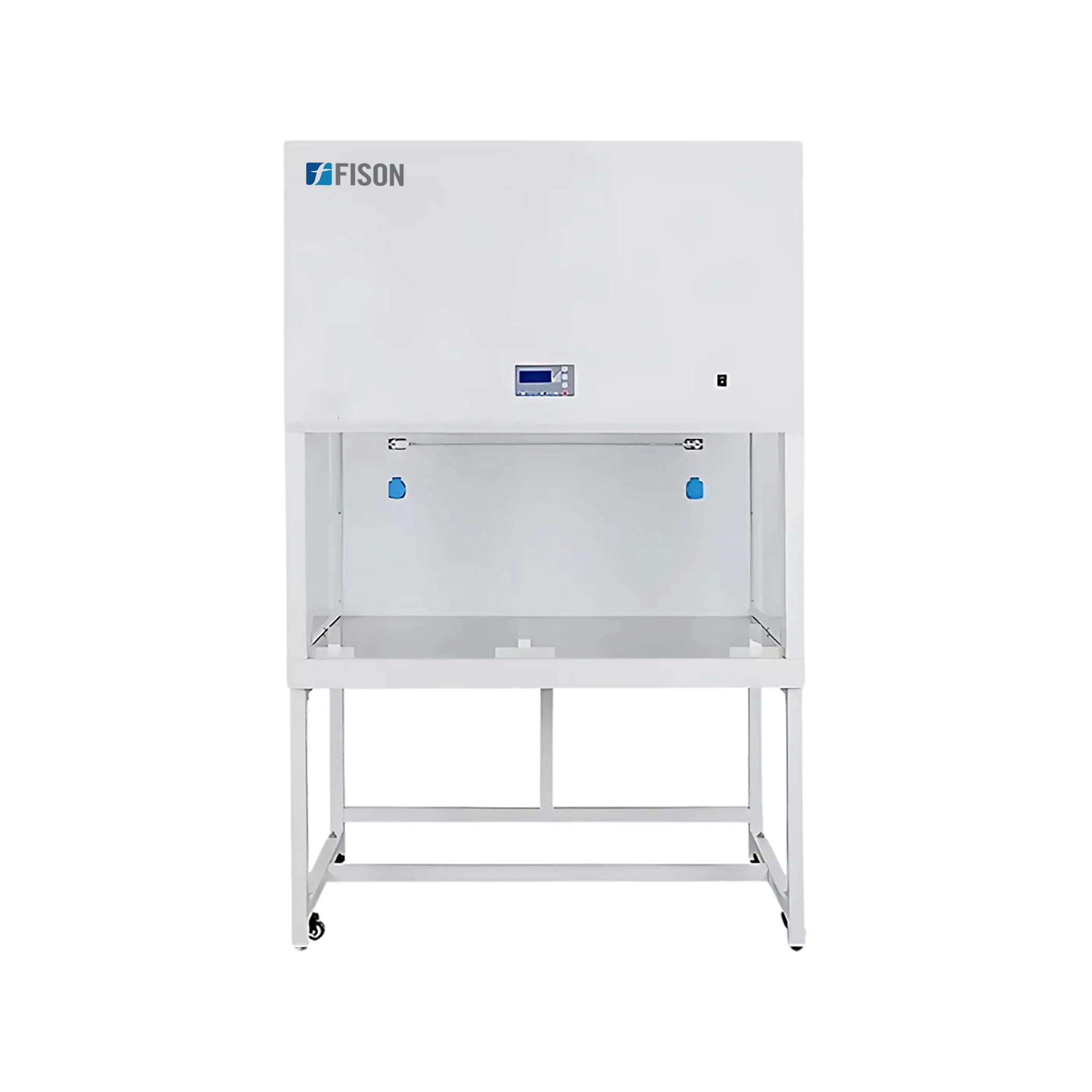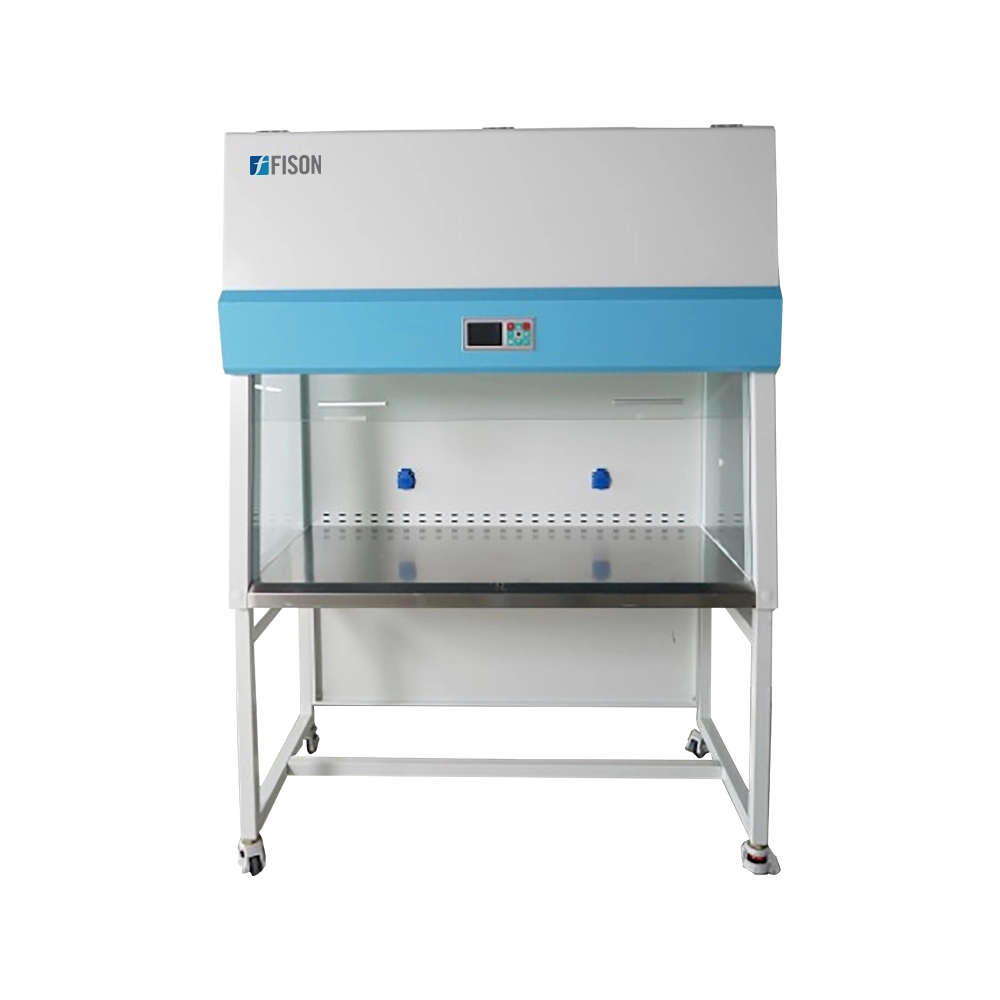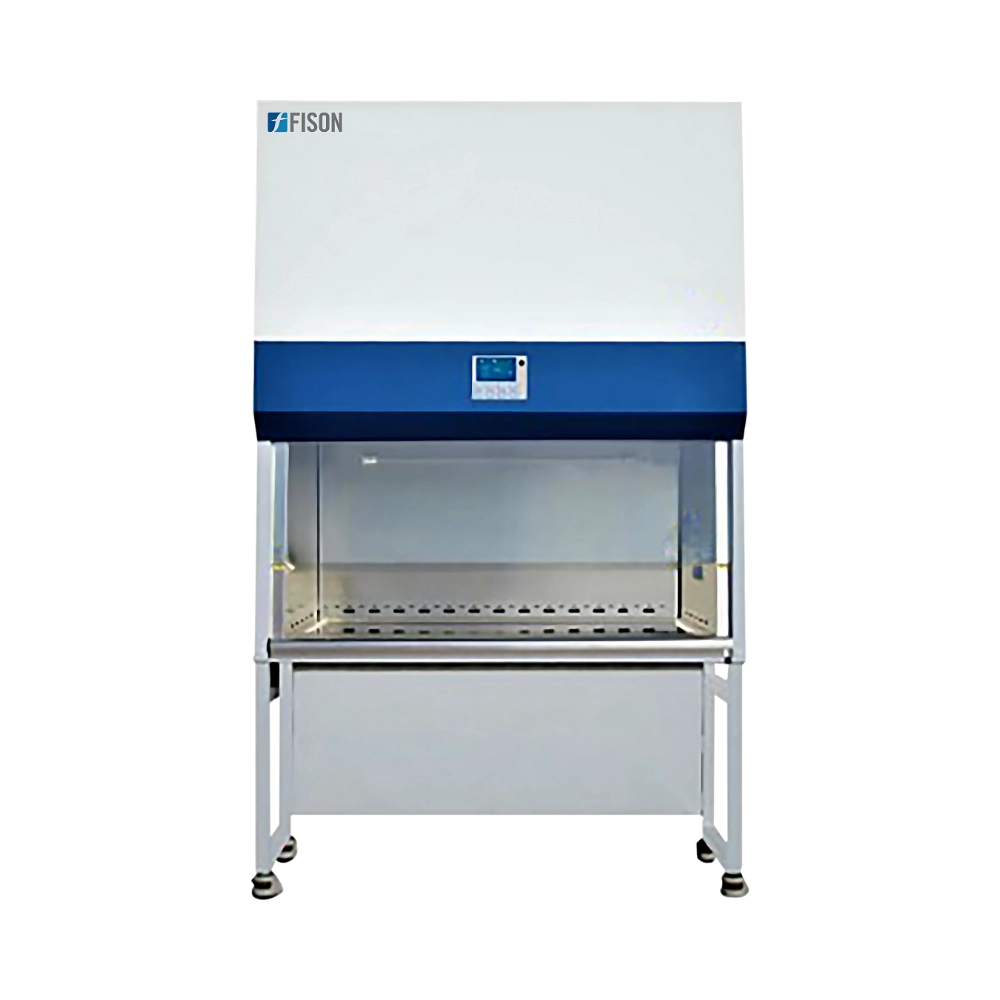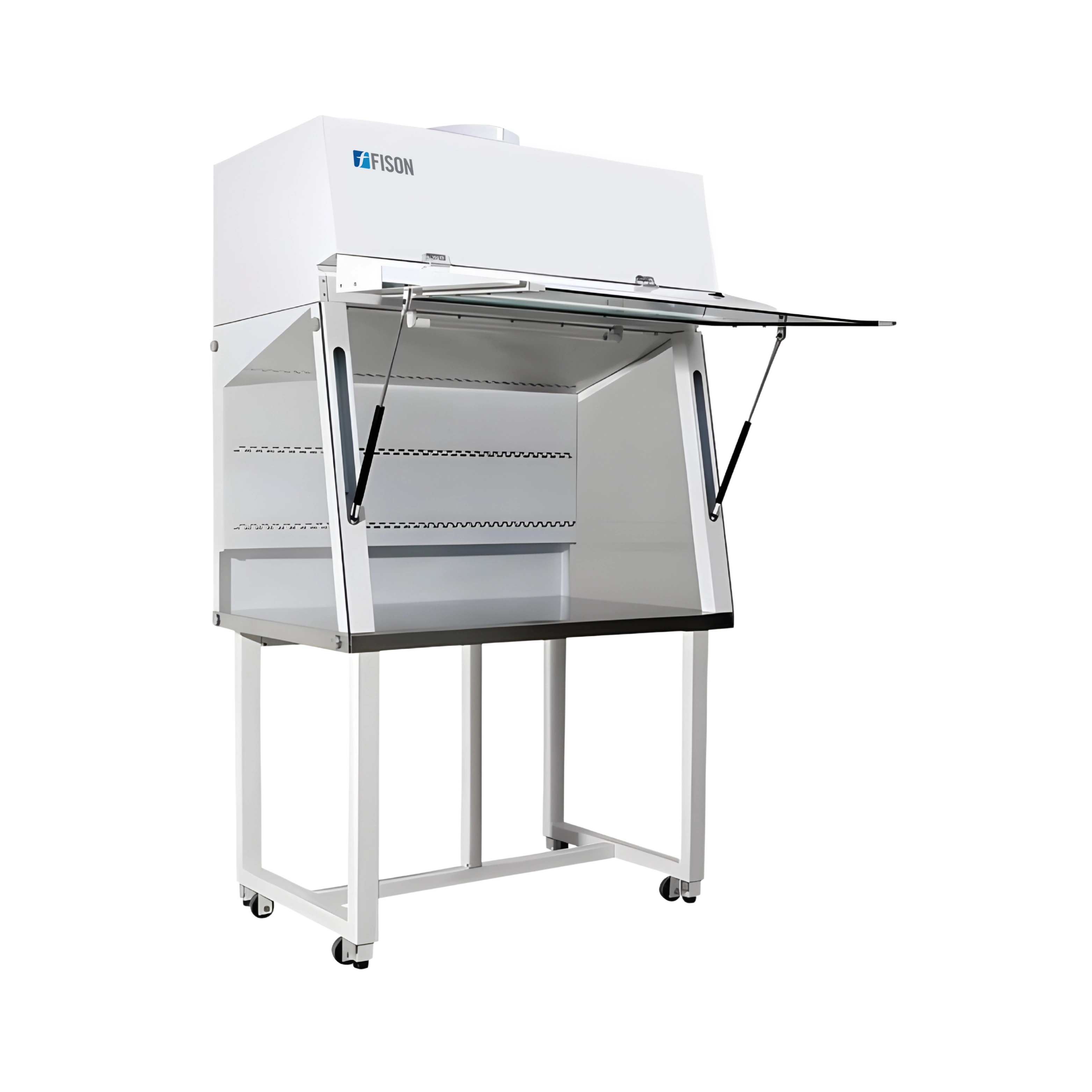
Laboratories, hospitals, research centres and advanced facilities handling sterile media, cell cultures or particle-sensitive samples all rely on A Fison Laminar Flow Cabinet to keep airborne contaminants away from the work surface. This article looks at how these units work, where they fit into a wider contamination control setup, and what to check before choosing one.
Why Airflow Direction Matters More Than Most Labs Realize
An open bench, even in a clean room, leaves a work surface exposed to whatever settles out of the surrounding air, and a single stray particle landing in an open culture plate can undo hours of careful technique. A flow cabinet addresses this by moving filtered air across the work zone in one steady direction, sweeping particles away from the surface rather than letting them drift and settle.
What often gets overlooked is that a laminar cabinet protects either the sample or the operator depending on how that airflow is directed, and assuming one design protects both is a common source of confusion when a lab first sets up this kind of equipment.
How a Laminar Flow Cabinet Works: Principle Behind Unidirectional Airflow
A Laminar Flow Cabinet draws room air through a pre-filter and then a high-efficiency particulate filter, removing the vast majority of airborne particles before that air ever reaches the work surface. The filtered air then moves across the cabinet in parallel, non-turbulent streamlines rather than swirling or mixing, which is the defining trait behind Laminar Flow Cabinet air science: particles cannot easily cross from one streamline into another, so contaminants stay swept along and out of the work zone instead of settling on it.
Air Intake
HEPA Filtration
Laminar Airflow
Clean Work Zone
Airflow velocity across the work surface has to stay within a fairly narrow band: too slow and particles are not swept away effectively, too fast and turbulence forms at the edges of the work zone, undoing the benefit of the laminar pattern in the first place.
Horizontal and Vertical Laminar Flow Cabinets: Choosing the Right Airflow Orientation
A horizontal Laminar Flow Cabinet pulls air in at the back and pushes it across the work surface toward the operator, which protects the sample well but offers the operator little separation from whatever is on the bench. This horizontal laminar air flow pattern suits work with non-hazardous materials where sample protection matters more than operator protection, such as electronics assembly or particle-sensitive component handling.
A vertical Laminar Flow Cabinet instead draws air down from above and exhausts it through the work surface, which keeps particles moving away from the operator's breathing zone as well as the sample. Labs unsure which orientation fits their work can compare airflow direction, work surface size and filtration options on the Laminar Flow Cabinet category page before making a decision.
Where the Laminar Flow Cabinet Fits in the Wider Contamination Control Equipment Category
A Laminar Flow Cabinet belongs to a broader group of contamination control equipment that also includes biosafety cabinets, fume hoods and cleanroom modules. Within this group, facilities typically compare airflow orientation, filtration grade, work surface dimensions, noise level, and whether the unit protects the sample only or extends some protection to the operator as well.
Reviewing the full range of Laminar Air Flow Cabinet options is a practical starting point for lining up these factors before narrowing a shortlist.
For facilities exploring contamination control equipment beyond this single category, the Fison home page lists the wider catalogue of laboratory and hospital equipment the brand carries.
Laminar Flow Cabinet Function in Laboratory, Hospital and Research Settings
Laminar Flow Cabinet function in laboratory work covers more ground than sterile media preparation alone, once a facility looks across departments.
Hospital pharmacies use these cabinets for sterile compounding, preparing intravenous medications and other injectable products away from airborne particles. Microbiology and cell culture laboratories rely on the same principle for plating samples and handling cell lines without introducing outside contamination. Research centres use a Laminar Flow Cabinet benchtop unit where floor space is limited but particle-sensitive sample prep still needs to happen close to other bench work, while advanced labs running continuous sample processing often keep a cabinet running for extended periods as part of a standing workflow rather than setting it up per task.
Selection Mistakes to Watch For When Choosing a Laminar Flow Cabinet
A handful of recurring missteps show up during evaluation, and most only become clear once the cabinet is already in routine use:
- Choosing the wrong airflow orientation. A horizontal design protects a sample well but offers little protection to the operator, and assuming otherwise can expose staff to material they expected the cabinet to contain.
- Skipping a filter calibration routine. Laminar Flow Cabinet calibration checks airflow velocity and filter integrity, and skipping this on a set schedule lets performance drift without anyone noticing.
- Undersizing the work surface. A cabinet sized for one task can become cramped once a lab starts running larger equipment or multiple samples inside it at once.
- Placing the unit near doors or vents. Cross-drafts from nearby doors or air handling vents can disrupt the laminar airflow pattern even when the cabinet itself is working correctly.
- Overlooking noise and vibration at full airflow. A cabinet running continuously in a shared space can become disruptive if noise levels were not checked before installation.
Full-Size and Benchtop Laminar Flow Cabinets: A Quick Comparison
Some labs need a full floor-standing cabinet, while others fit better with a compact benchtop model. The table below outlines where each approach tends to fit.
| Aspect | Benchtop Cabinet | Full-Size Cabinet |
|---|---|---|
| Footprint | Smaller, fits on existing bench space | Larger, needs dedicated floor space |
| Work surface area | Suited to single-sample tasks | Suited to larger or multiple simultaneous tasks |
| Mobility | Easier to relocate between benches | Typically fixed in one location |
| Typical setting | Space-limited labs and occasional use | Dedicated sterile prep or high-volume work |
Ready to Compare Laminar Flow Cabinet Options?
Airflow orientation, work surface size and filtration options differ meaningfully between models, and reviewing them together helps match a cabinet to actual lab work rather than a rough estimate.
View Laminar Flow Cabinet Options