Carbon, hydrogen and nitrogen results shape how soil, plant and water samples are understood. This article explains how an Fison Elemental Analyzer works, where environmental laboratories and research centres apply it, and which choices most often lead to poor results.
Why Carbon, Hydrogen and Nitrogen Matter in Environmental Work
Soil organic carbon, nitrogen cycling and the composition of water samples all depend on measuring a handful of light elements accurately. Environmental labs, research centres and advanced labs track carbon, hydrogen and nitrogen because these three elements describe organic content, decomposition rate and nutrient status across soil, plant and water samples.
An Elemental Analyzer automates this measurement, converting a small solid or liquid sample into gases that a detector can quantify. That single step replaces slower wet-chemistry methods that once took a full working day per sample.
Working Principle: Combustion to Signal
The Elemental Analyzer Principle rests on combustion. A weighed sample drops into a furnace held at high temperature, where it burns completely in an oxygen-rich atmosphere. Combustion converts carbon to carbon dioxide, hydrogen to water vapour and nitrogen to nitrogen oxides or elemental nitrogen, depending on the reduction stage that follows.
The resulting gas stream passes through a reduction column and a separation stage before reaching a detector, most often a thermal conductivity detector. Software then converts detector response into a percentage of each element in the original sample. Where a system also reports sulfur, the same combustion and detection sequence forms the CHNS Analyzer Working Principle, and the chns elemental analyzer principle simply extends the same chn elemental analysis approach to a fourth element.
Features Behind Everyday Operation
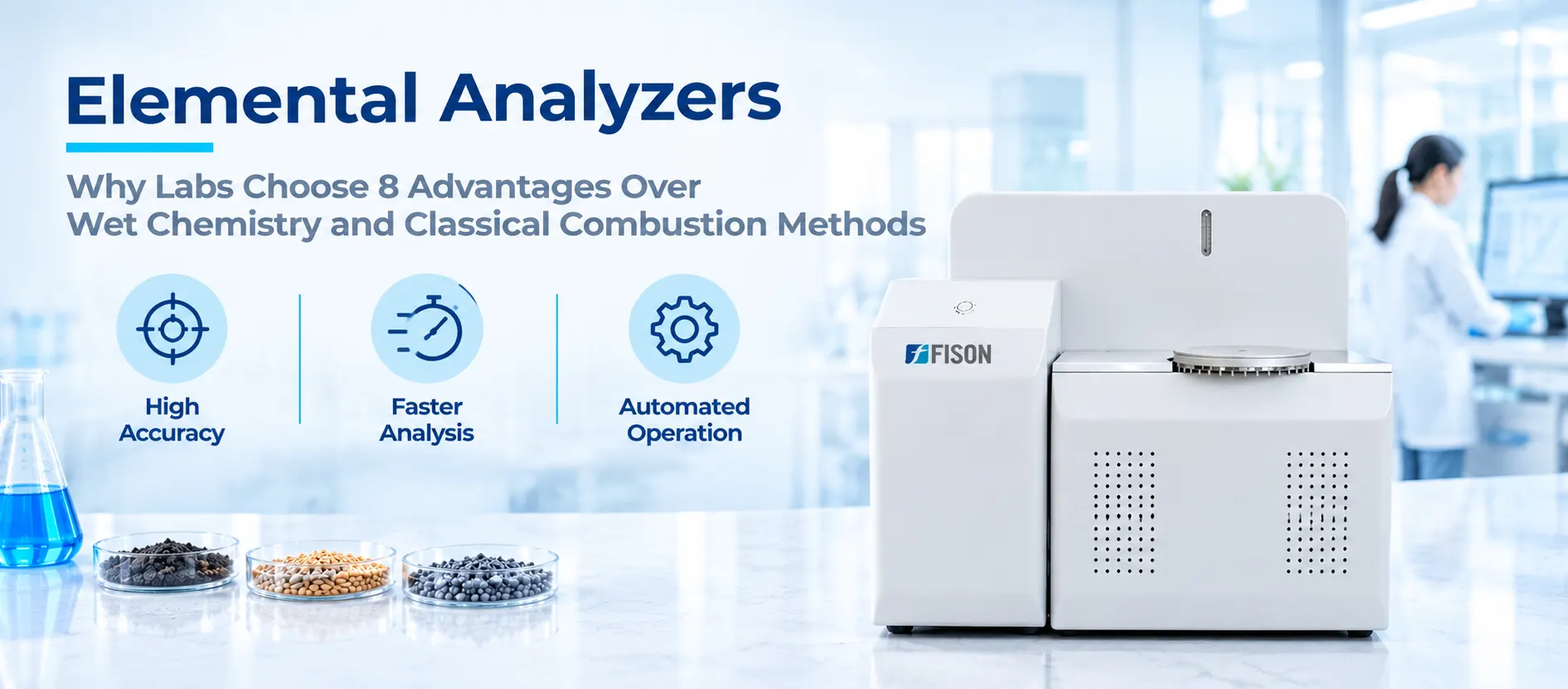
An Automatic Elemental Analyzer reduces hands-on time by loading a sample carousel and running a batch without an operator present for each injection, which is one of the more practical elemental analyzer uses in a busy laboratory. Fison CHN elemental analyzer units combine automatic temperature control with intuitive software, so a method set once can be reused across many sample types.
Multiple samples can be analyzed in sequence, and an energy-efficient furnace design reduces power use over a long working day. These features matter most when a laboratory processes soil, plant and water batches back to back.
Applications Across Environmental and Research Labs
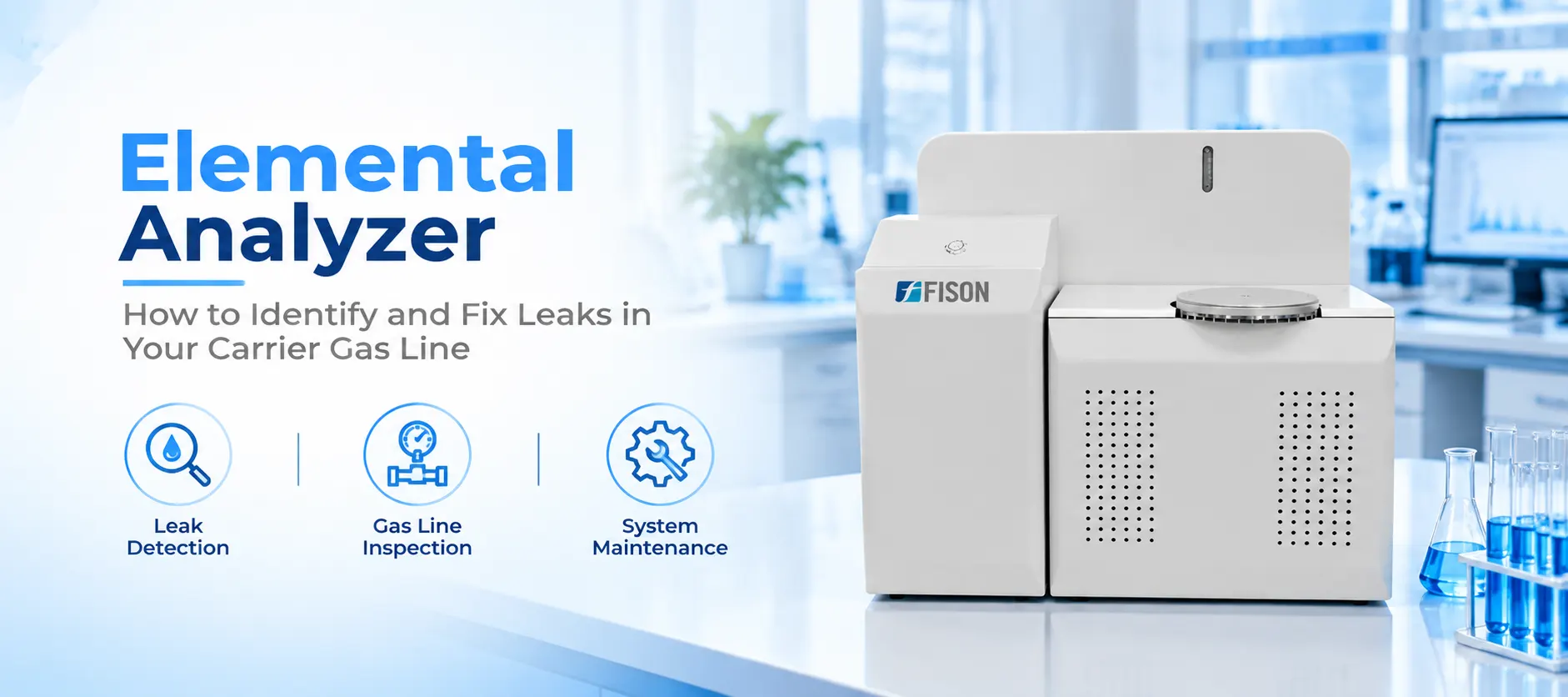
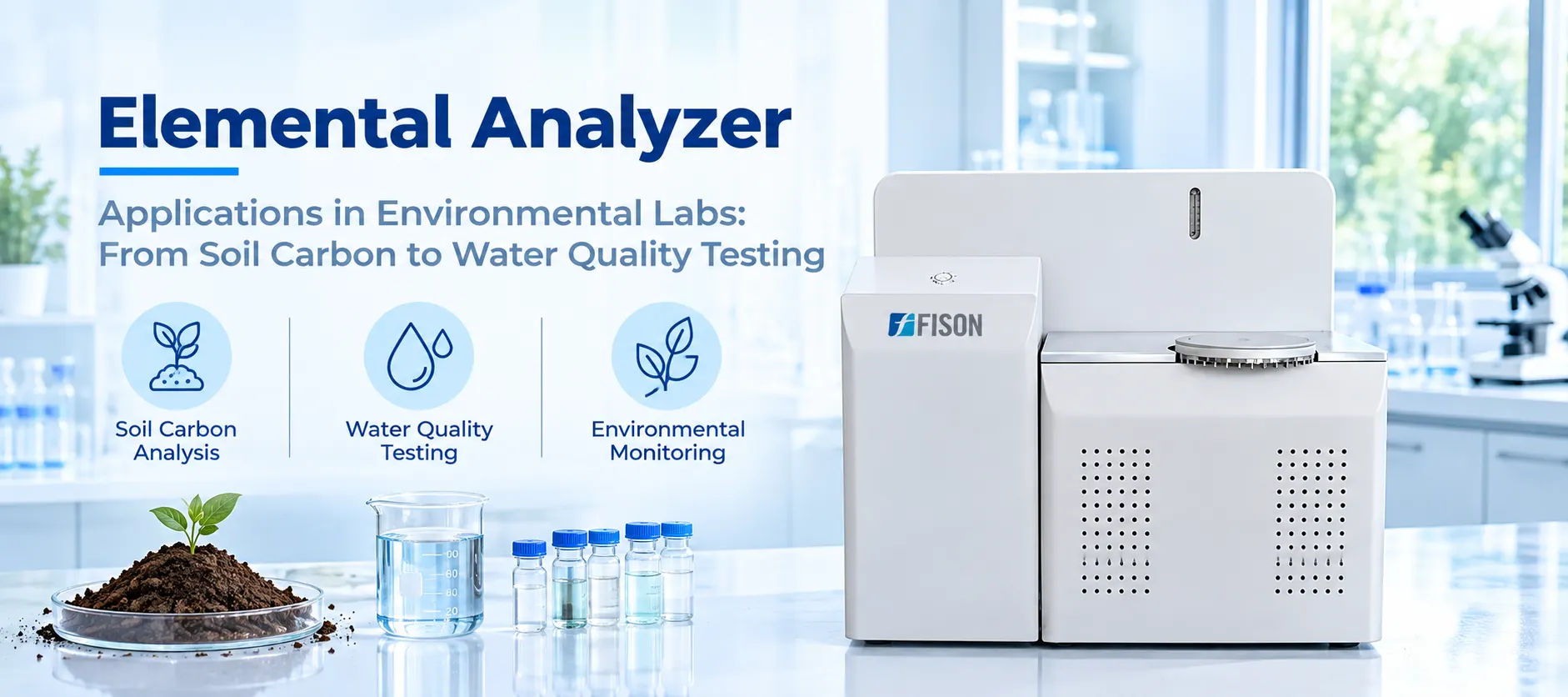
Elemental analyzer uses in environmental and agricultural laboratories span soil, water, plant and fuel testing, and a laboratory comparing configurations can start from the Fison elemental analyzer range before matching a model to its sample types.
Soil Carbon and Nitrogen
Soil organic carbon and total nitrogen results guide fertility assessment and carbon stock studies.
Water Quality Testing
Total organic carbon and nitrogen in water samples help track pollution sources and treatment performance.
Plant and Feed Material
Protein content, estimated from nitrogen results, supports plant tissue and animal feed testing.
Sediment and Compost
Carbon-to-nitrogen ratios in sediment and compost describe decomposition stage and nutrient release.
Fuel and Coal Samples
Carbon and hydrogen content relate directly to calorific value in fuel and coal testing.
Pharmaceutical Research
Pharmaceutical research laboratories run elemental analysis for early-stage compound characterisation, alongside routine soil and water quality testing panels.

Sample Preparation Habits That Protect Accuracy
Consistent sample weight and a dry, homogeneous sample give the most repeatable elemental analysis results. Wet soil or plant material should be dried and ground before weighing, since residual moisture skews the hydrogen reading and can affect the carbon result as well.
Tin or foil capsules used to encapsulate the sample should be free of contamination, and blank runs between different sample types help confirm the furnace and reduction column have not carried material over from a previous batch.
What the Fison CHN Elemental Analyzer Offers
Rather than weighing an elemental analyzer against unrelated techniques, it helps to look at what a single instrument brings to daily use. The Fison elemental analyzer range combines automatic temperature control with intuitive software, so a method built for one sample type carries over to the next without rebuilding it from scratch.
Multiple samples can run through the carousel in sequence, and an energy-efficient furnace design keeps the instrument practical for a full working day of soil, plant and water batches. High accuracy and sensitivity in the detection stage mean small differences in carbon, hydrogen and nitrogen content still show up clearly, which matters most when comparing samples that are chemically similar.
Common Selection Mistakes
Model choice is often made from a headline accuracy figure rather than from the sample matrix. These patterns cause the most rework.
- Ignoring sample matrix diversity. A model tuned for clean organic compounds may need adjustment for soils rich in inorganic carbon or minerals.
- Overlooking sample throughput needs. Carousel capacity and run time decide how many samples a laboratory can process in a working day.
- Assuming CHN and CHNS are interchangeable. Elemental analyzer uses that include sulfur reporting rely on the chns elemental analyzer principle, which needs a system built for the fourth channel rather than a typical CHN configuration.
- Skipping consumable planning. Combustion tubes, reduction columns and capsules wear with use and need a replacement schedule.
- Neglecting method transfer. A method developed on one instrument may need re-verification when moved to another CHN analyzer.
Exploring the Wider Elemental and Combustion Analysis Category
Elemental analyzers, including CHN analyzer and CHNS configurations, sit within a broader group of combustion-based and detection instruments used across environmental and research laboratories. Related Fison categories include the sulfur analyzer, TOC analyzers and thermogravimetric analyzers, each suited to a narrower measurement than full CHN elemental analysis.
When comparing options in this category, laboratories typically weigh the elements measured, sample throughput, consumable use and how well a system's software fits existing reporting workflows. The full range of elemental analyzers is available on the Fison elemental analyzer category page, and the wider laboratory equipment portfolio can be reached through the Fison home page.