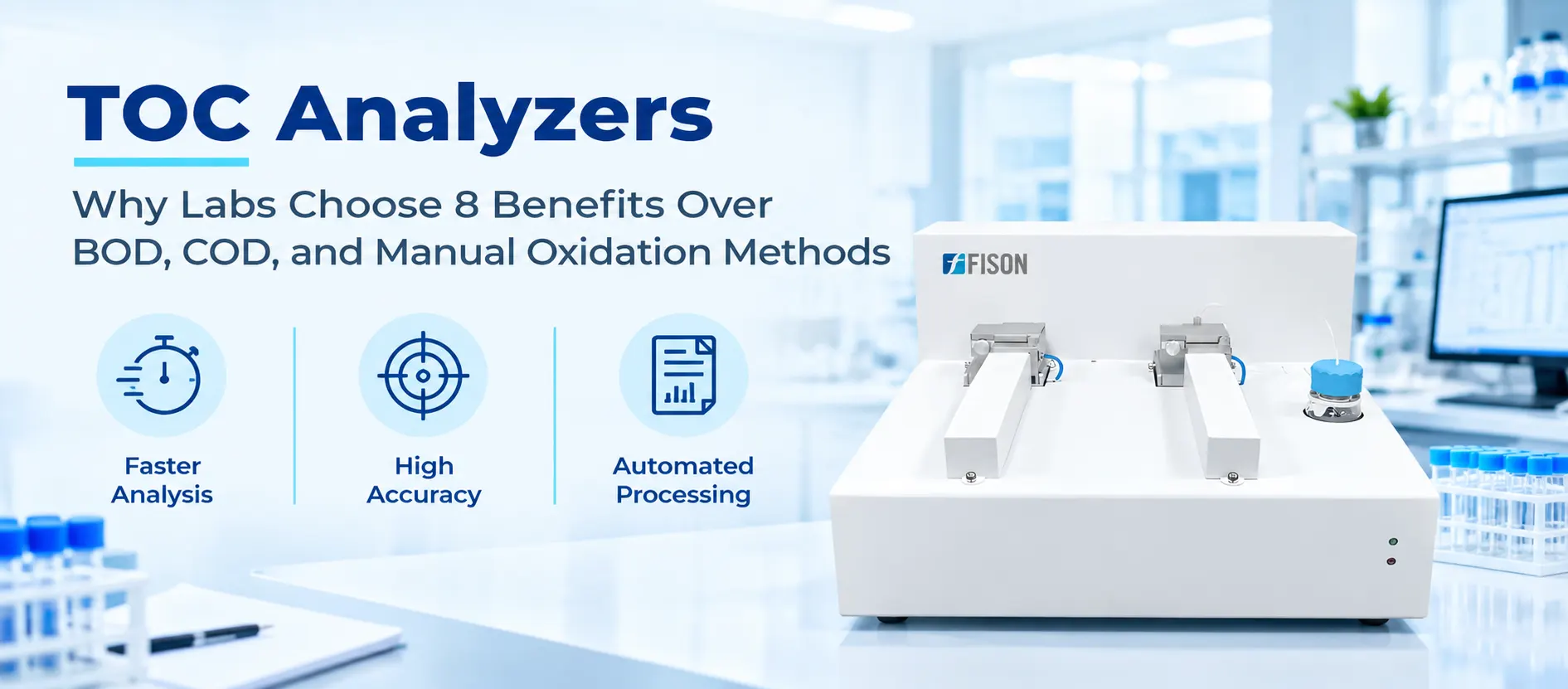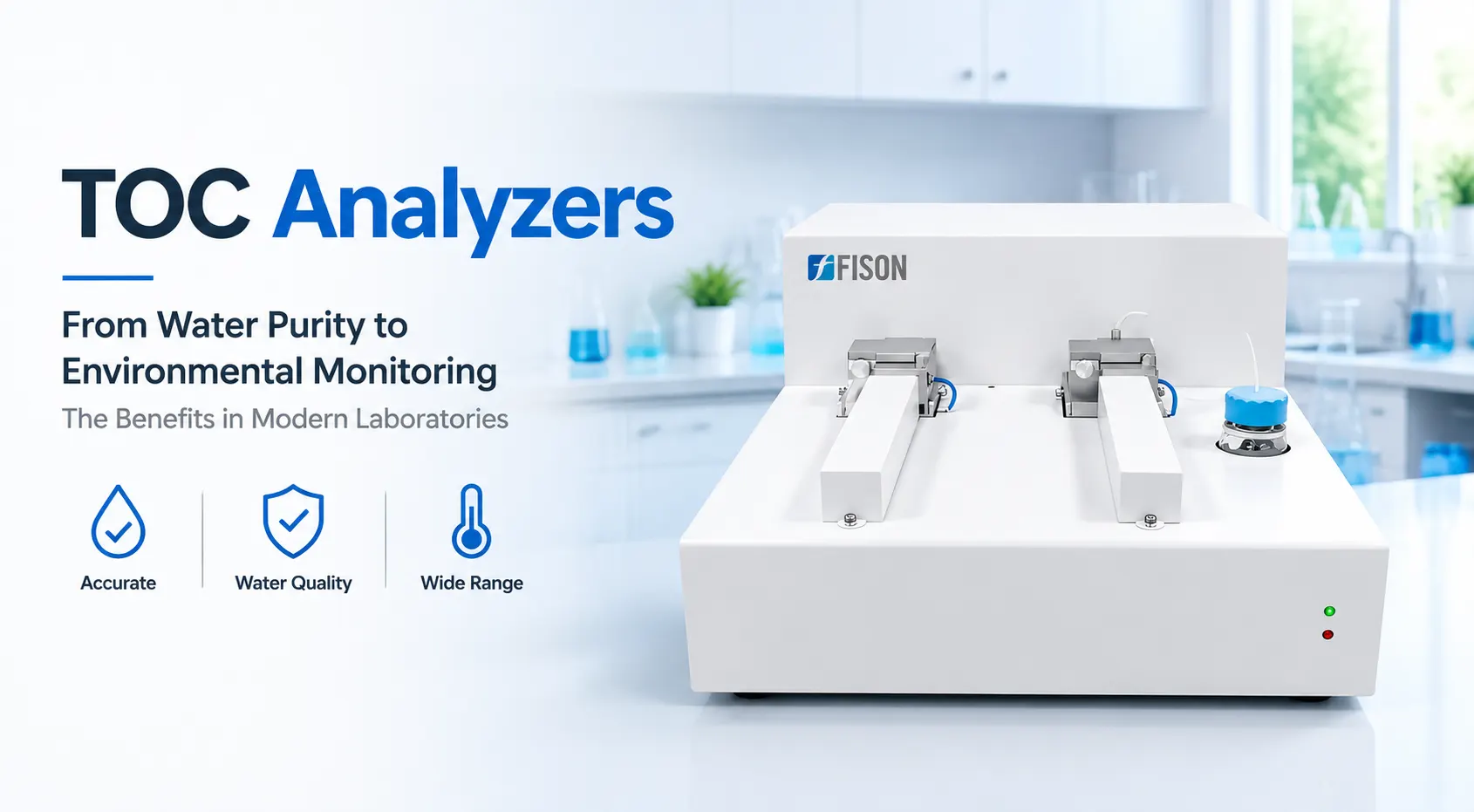
Laboratories, hospitals, research centres and advanced facilities monitoring water quality rely on a Fison TOC Analyzer (total organic carbon analyzer) to track organic carbon content as a single, fast-reading indicator of contamination. This article looks at how these instruments work, where they fit into a wider water testing setup, and what to check before choosing one.
Why Total Organic Carbon Is a Central Water Quality Indicator
Organic contamination in water can come from an enormous range of sources, from cleaning residues and microbial byproducts to trace process chemicals, and identifying each compound individually would take far longer than most testing schedules allow. Measuring total organic carbon instead gives a single combined figure that reflects the overall organic load in a sample, without needing to isolate what each contaminant actually is.
This approach makes a total organic carbon analyzer central to pharmaceutical water systems, drinking water treatment, wastewater monitoring and environmental sampling programs alike, since a rising or falling carbon reading flags a change worth investigating well before a more detailed identification study begins.
How a TOC Analyzer Works: From Oxidation to Carbon Dioxide Detection
A laboratory TOC Analyzer introduces a measured volume of sample into an oxidation stage, where organic carbon compounds are converted into carbon dioxide, either through high-temperature catalytic combustion or through an ultraviolet and persulfate oxidation step depending on the instrument design. The resulting carbon dioxide then passes to a detector, most often a non-dispersive infrared cell, which measures how much carbon dioxide the oxidation step produced.
Sample Introduction
Oxidation
CO2 Detection
TOC Result
Total carbon measured this way includes both organic and inorganic carbon, so a TOC Analyzer either purges dissolved inorganic carbon out of the sample before oxidation to read organic carbon directly, or measures inorganic carbon separately and subtracts it from the total carbon reading to arrive at the same result. The TOC sensor stage is what ultimately turns that oxidation byproduct into the quantifiable reading an operator sees on screen, which most people simply call a TOC meter reading once it converts to a familiar concentration unit.
Combustion and UV-Persulfate Oxidation: Matching Method to Sample Type
A combustion-based TOC Analyzer instrument handles particulate-heavy or high-salt samples well, since the high oxidation temperature breaks down organic material that a milder chemical process might not fully convert. This makes it a common choice for wastewater and samples with variable composition.
A UV-persulfate TOC Analyzer detector instead suits cleaner, low-level samples such as pharmaceutical or ultrapure water, where its lower detection range picks up trace organic carbon that a combustion method might struggle to resolve accurately. Facilities weighing these formats against each other can compare detection range and sample matrix tolerance on the TOC Analyzer category page before settling on a configuration.
Where the TOC Analyzer Fits in the Wider Water Quality Testing Equipment Category
A laboratory TOC Analyzer belongs to a broader water quality testing equipment category that also includes conductivity meters, pH instruments and ion-specific sensors used across laboratories and treatment facilities. Within this category, teams typically compare TOC analyzer equipment on detection range and sensitivity, oxidation method, sample throughput and autosampler compatibility, and how much maintenance the catalyst bed or UV lamp needs over time.
Reviewing the full TOC meter range is a practical starting point for lining up these factors before narrowing a shortlist.
For facilities exploring water testing equipment beyond organic carbon analysis alone, the Fison home page lists the wider catalogue of laboratory and hospital equipment the brand carries.

Practical Uses of a TOC Analyzer in Laboratory and Environmental Testing
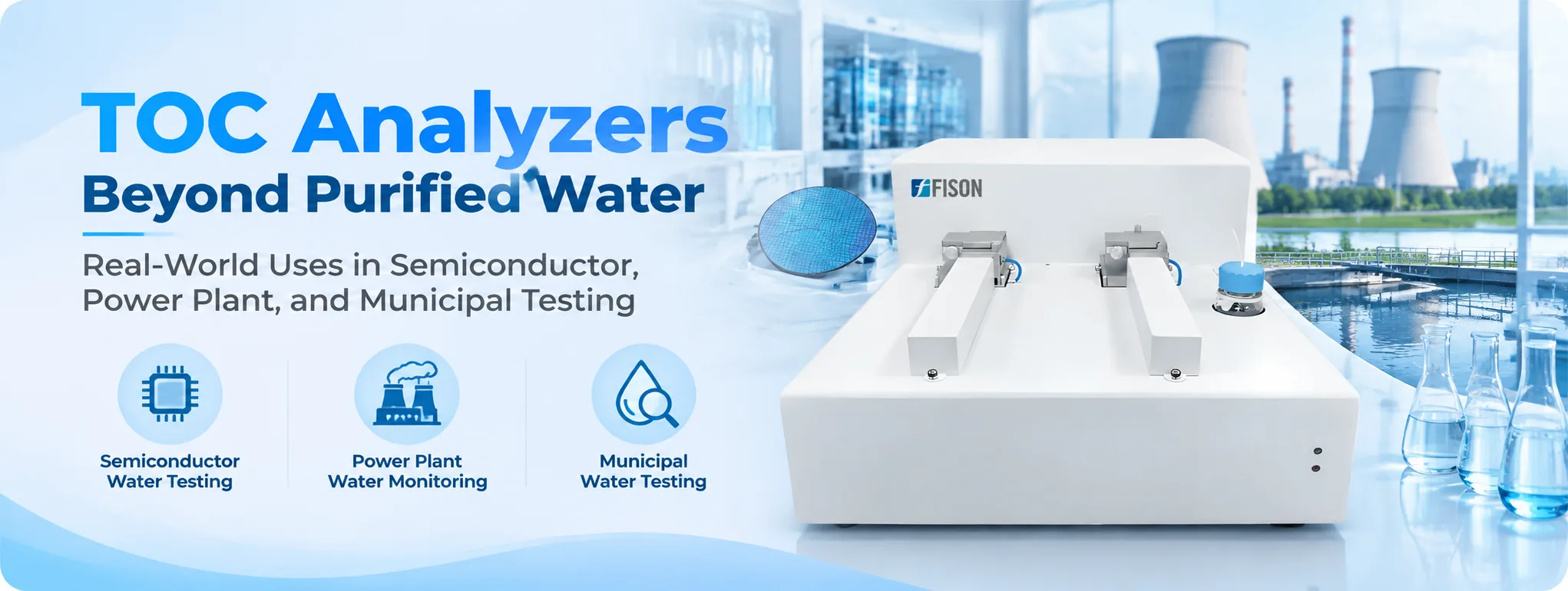
Each TOC Analyzer application shares the same underlying oxidation-and-detection method, even though the sample matrix and required detection range shift from one setting to the next. A TOC Analyzer lab setup supports pharmaceutical water system monitoring, where organic carbon readings track how well purification and storage loops keep water quality within the range a formulation process needs. Drinking water treatment plants use the same measurement to watch how effectively a treatment train removes organic material before water reaches distribution.
Wastewater treatment operators rely on a TOC analyzer laboratory setup to track organic loading through a treatment process, while environmental researchers apply the same TOC analyzer detector method to surface and groundwater samples during contamination studies. Pharmaceutical manufacturers also run cleaning validation swab and rinse samples through a TOC machine to confirm equipment surfaces are free of residual organic material between production runs, rounding out the range of TOC Analyzer application areas a single instrument design can cover.
Selection Mistakes to Watch For When Choosing a TOC Analyzer Instrument
A handful of recurring missteps show up when evaluating a TOC machine for a TOC analyzer laboratory, and most only become clear once the instrument is already in routine use:
- Mismatching oxidation method to sample matrix. A UV-persulfate TOC sensor built for clean water can struggle with particulate-heavy or high-salt samples that a combustion method handles more readily.
- Choosing a detection range that does not fit actual sample levels. A range tuned for ultrapure water will not serve a lab that also tests more heavily contaminated wastewater samples.
- Overlooking inorganic carbon interference. Without proper purging or separate measurement, dissolved inorganic carbon can distort an organic carbon result.
- Underestimating sample throughput needs. A manual, single-sample TOC analyzer equipment setup can become a bottleneck once testing volume grows beyond a handful of samples a day.
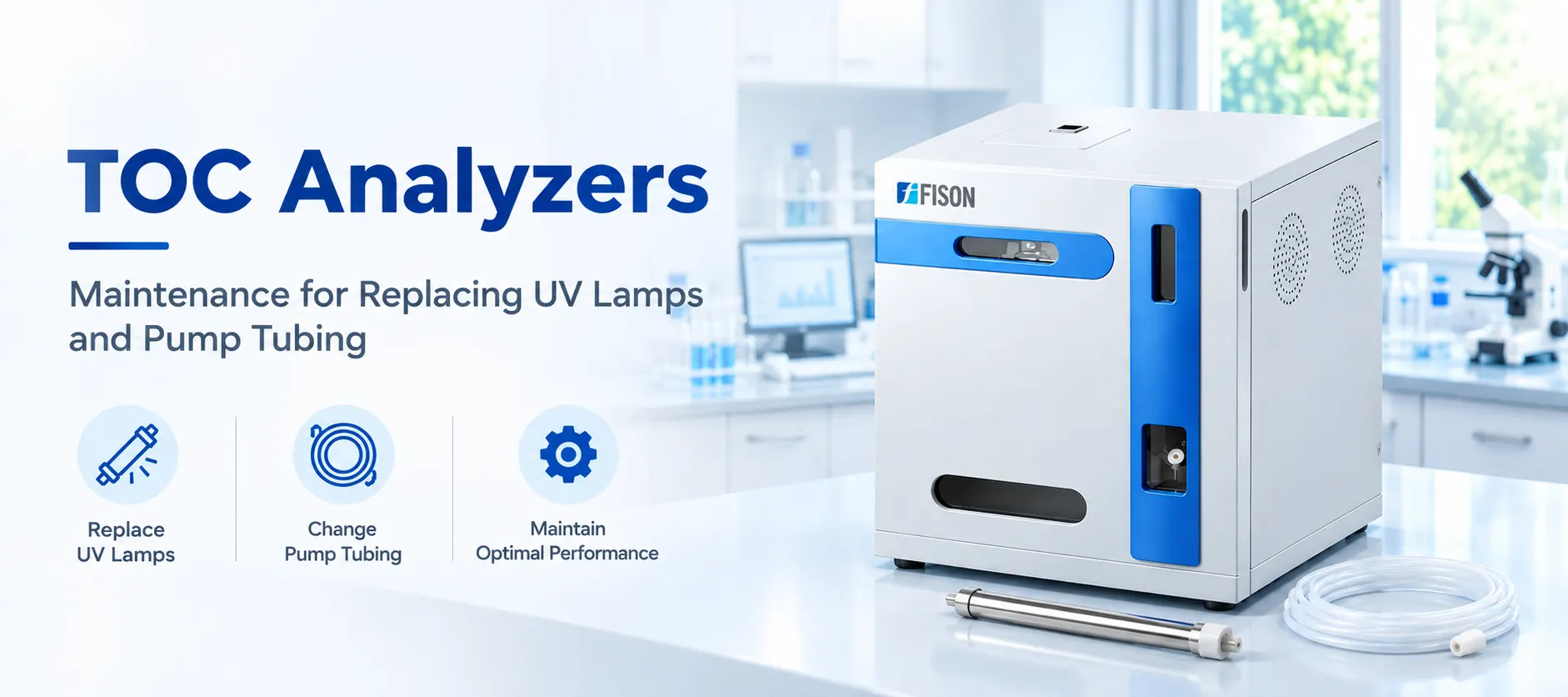
- Ignoring catalyst or UV lamp maintenance intervals. A worn catalyst bed or aging UV lamp gradually lowers oxidation efficiency, which can go unnoticed until results start drifting.
Ready to Compare TOC Analyzer Options?
Oxidation method, detection range and sample format differ meaningfully between models, and reviewing them together helps match an instrument to actual water testing needs rather than a rough estimate.
View TOC Analyzer Options