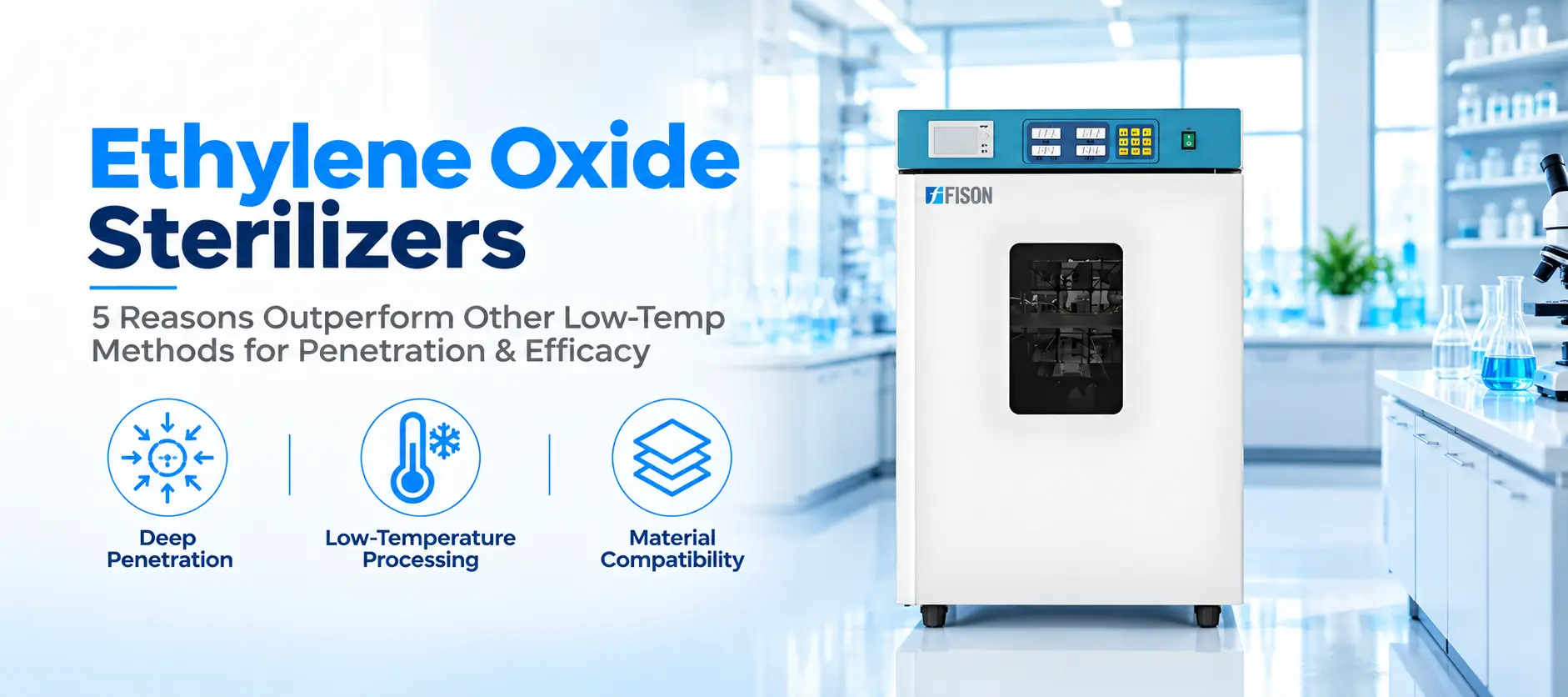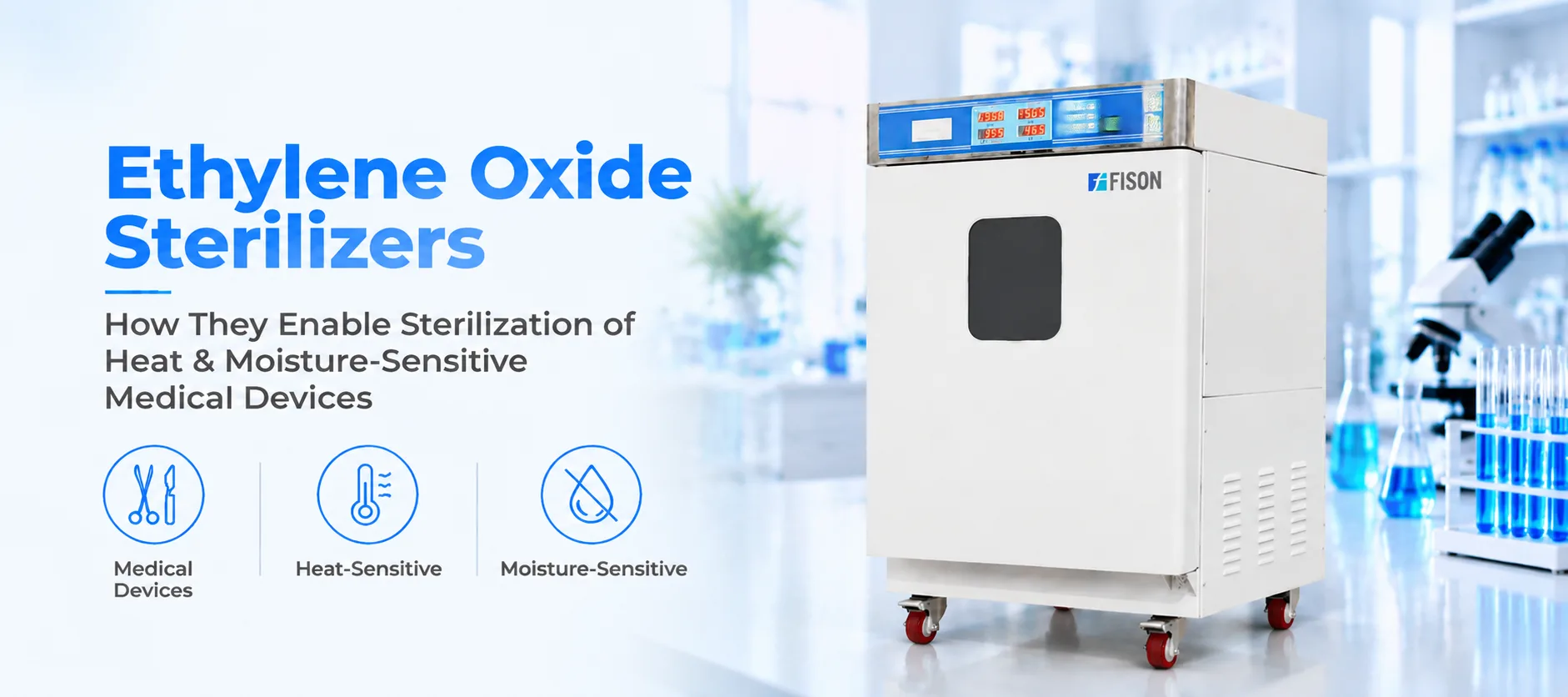
Certain medical devices, catheters and pre-packaged kits still can't go through a steam or plasma cycle, whether because of long convoluted lumens, sensitive plastics, or packaging that needs to stay sealed through the whole process. An Fison Ethylene Oxide Sterilizer reaches these devices with a gas that penetrates where steam and plasma can't, at the cost of a much longer cycle. This article covers how the process works, where it's used, and what's easy to overlook when running one.
Why Some Medical Devices Still Rely on a Gas-Based Sterilization Method
Some devices combine geometry and material choices that rule out both steam and low-temperature plasma: extremely long or narrow lumens that trap moisture, adhesives and certain plastics that degrade under repeated plasma exposure, and pre-packaged kits that need to be sterilized after final sealing rather than before. Ethylene Oxide Gas Sterilization reaches into these spaces because the gas itself diffuses through many packaging materials and complex internal geometries that neither steam nor plasma can consistently penetrate.
Manufacturers producing devices in bulk also rely on EO Sterilization for terminal sterilization after devices are already packaged, since running a batch through gas exposure after final packaging avoids introducing contamination during a later assembly step. Hospitals reprocessing a smaller mix of reusable devices rely on the same EO sterilization approach whenever a device's geometry or material rules out steam or plasma.
Ethylene Oxide Sterilization Process: From Gas Exposure to Aeration
An Ethylene Oxide Sterilization chamber starts each cycle with a preconditioning phase, bringing the load to a controlled temperature and humidity before any gas enters, since both factors affect how well the gas reaches microorganisms on device surfaces. Any ethylene oxide sterilization chamber design keeps this preconditioning step separate from gas exposure for exactly that reason.
Preconditioning
Gas Injection & Exposure
Evacuation & Purge
Extended Aeration
Once preconditioning finishes, an eo gas sterilizer injects a measured concentration of Ethylene Oxide Gas and holds it for a set exposure period, after which the chamber evacuates the gas and purges it with air or nitrogen. The load then moves into an extended aeration phase, sometimes lasting far longer than the exposure step itself, to let residual ethylene oxide diffuse out of packaging and device materials before handling. Any EO Gas Sterilizer runs some version of this same preconditioning-exposure-aeration sequence, regardless of chamber size or manufacturer.
Where the Ethylene Oxide Sterilizer Fits in the Wider Sterilizer Category
An Ethylene oxide sterilizer belongs to a broader sterilizer category that spans steam, dry heat, hydrogen peroxide gas plasma and other gas-based methods, each suited to a different combination of device geometry, material and packaging. Within this category, facilities typically compare cycle length, aeration time, chamber volume and gas handling requirements when narrowing down options.
The full sterilizer range lists these technologies side by side, and for facilities comparing sterilization equipment against other laboratory and hospital instrument lines, the Fison home page catalogues the wider range available.

Ethylene Oxide Gas Sterilization Compared with Steam and Plasma Methods
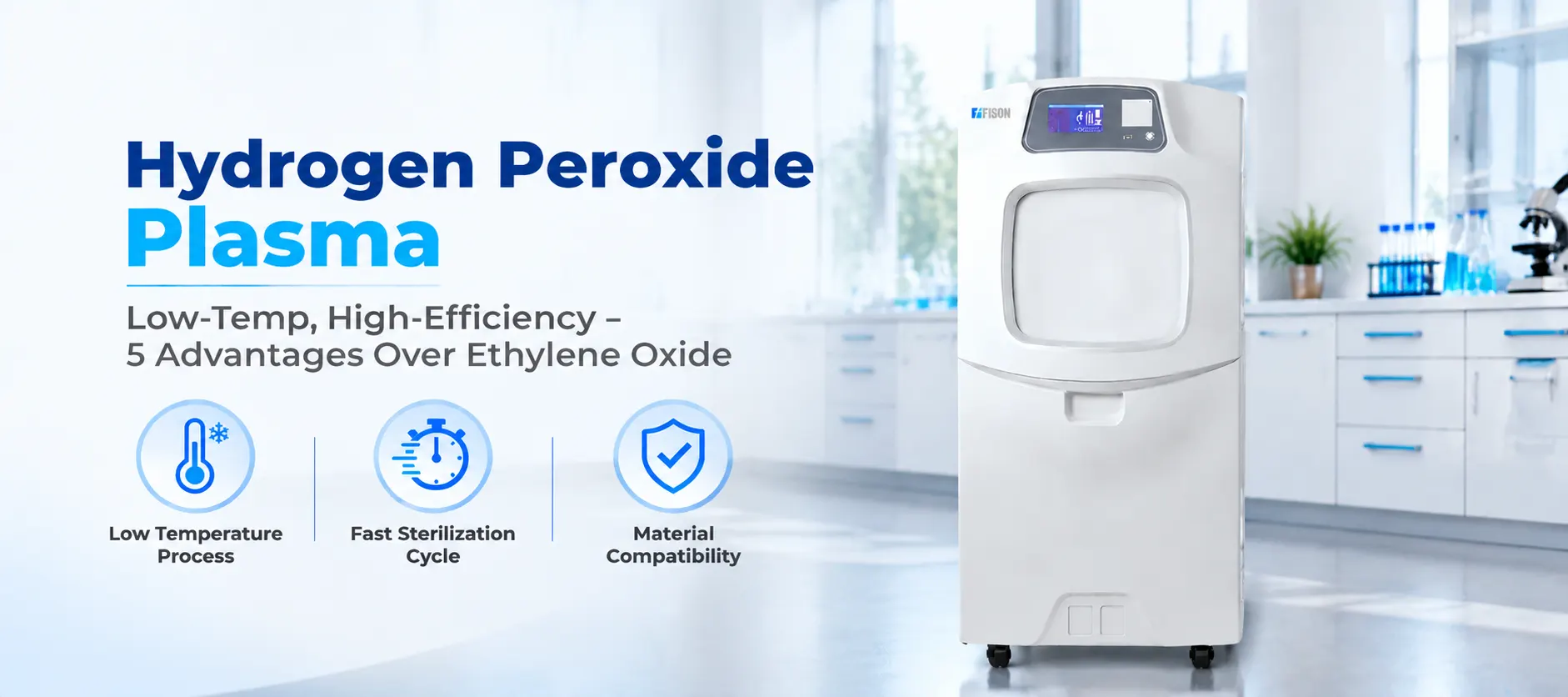
Steam autoclaving works fastest but can't touch heat-sensitive materials, and hydrogen peroxide gas plasma sterilization handles many of those materials in a shorter cycle with non-toxic byproducts. An eto sterilizer machine still fills a gap both of those leave open: devices with very long or convoluted lumens, certain plastics and adhesives, and pre-packaged kits that a shorter plasma cycle and lower gas penetration can't always reach as thoroughly. Facilities weighing an eto sterilizer machine against a plasma system typically start by mapping which portion of their device mix actually needs gas-level penetration.
Reviewing the complete sterilizer category alongside the specific device geometries and materials a facility processes helps determine which of these three methods, or which combination, suits an actual device mix.
Practical Uses of an Ethylene Oxide Sterilizer in Modern Device Reprocessing
Each Ethylene Oxide Sterilizer application shares the same gas-exposure-and-aeration method, adapted to a different device geometry or material. Ethylene Oxide sterilization uses concentrate around devices and packaging that steam and plasma methods can't fully reach.
- Single-use and disposable device manufacturing runs bulk sterilization of packaged catheters, syringes and tubing sets after final sealing, so the step doesn't require reopening sterile packaging.
- Complex catheters and long-lumen devices benefit from gas diffusion reaching deep into narrow internal channels that steam condensation and plasma exposure struggle to penetrate evenly.
- Implantable devices with sensitive electronics or polymers go through a single gas exposure and aeration cycle instead of components that would degrade under repeated heat or plasma cycling.
- Pre-packaged sterile procedure kits use gas that permeates certain packaging materials, allowing sterilization to happen after the kit is already sealed for distribution.
- Medical device manufacturing facilities run bulk lots through a single large chamber rather than processing devices individually earlier in production.
This spread of Ethylene Oxide Sterilizer application areas across device manufacturing and hospital reprocessing keeps the method in active use even as gas plasma and steam options for heat-sensitive devices continue to expand.
Selection Mistakes to Watch For When Choosing an Ethylene Oxide Sterilizer
A handful of recurring missteps show up during evaluation, and most only become clear once Ethylene Oxide Sterilizer operators are already running cycles day to day:
- Underestimating aeration time and space needs. Residual ethylene oxide removal often takes far longer than the exposure cycle itself, and a facility without a dedicated aeration area can create a bottleneck waiting for gas to clear.
- Overlooking ventilation and safety requirements for ethylene oxide sterilizer operators. The gas is toxic and flammable, and operators need clear ventilation, monitoring and handling procedures built into daily workflow, not treated as an afterthought.
- Assuming all packaging materials allow the same gas penetration. Some films and laminates resist ethylene oxide diffusion more than others, which can leave devices under-exposed if packaging isn't matched to the cycle.
- Ignoring material compatibility for repeated exposure. Some plastics absorb and slowly off-gas ethylene oxide, extending the effective aeration time needed before devices are safe to handle.
- Skipping cycle parameter monitoring. Temperature, humidity and gas concentration all need tracking through each cycle, since drift in any one factor can leave a load under-treated without an obvious external sign.
Ready to Explore Ethylene Oxide Sterilizer Options?
Chamber size, aeration capacity and cycle programming all vary across Ethylene Oxide Sterilizer machine models, and matching these to a facility's actual device mix and gas-handling infrastructure matters more than choosing on chamber size alone. Any Ethylene Oxide Sterilizer machine also depends on adequate ventilation infrastructure already being in place before installation.
Explore Ethylene Oxide Sterilizer Options