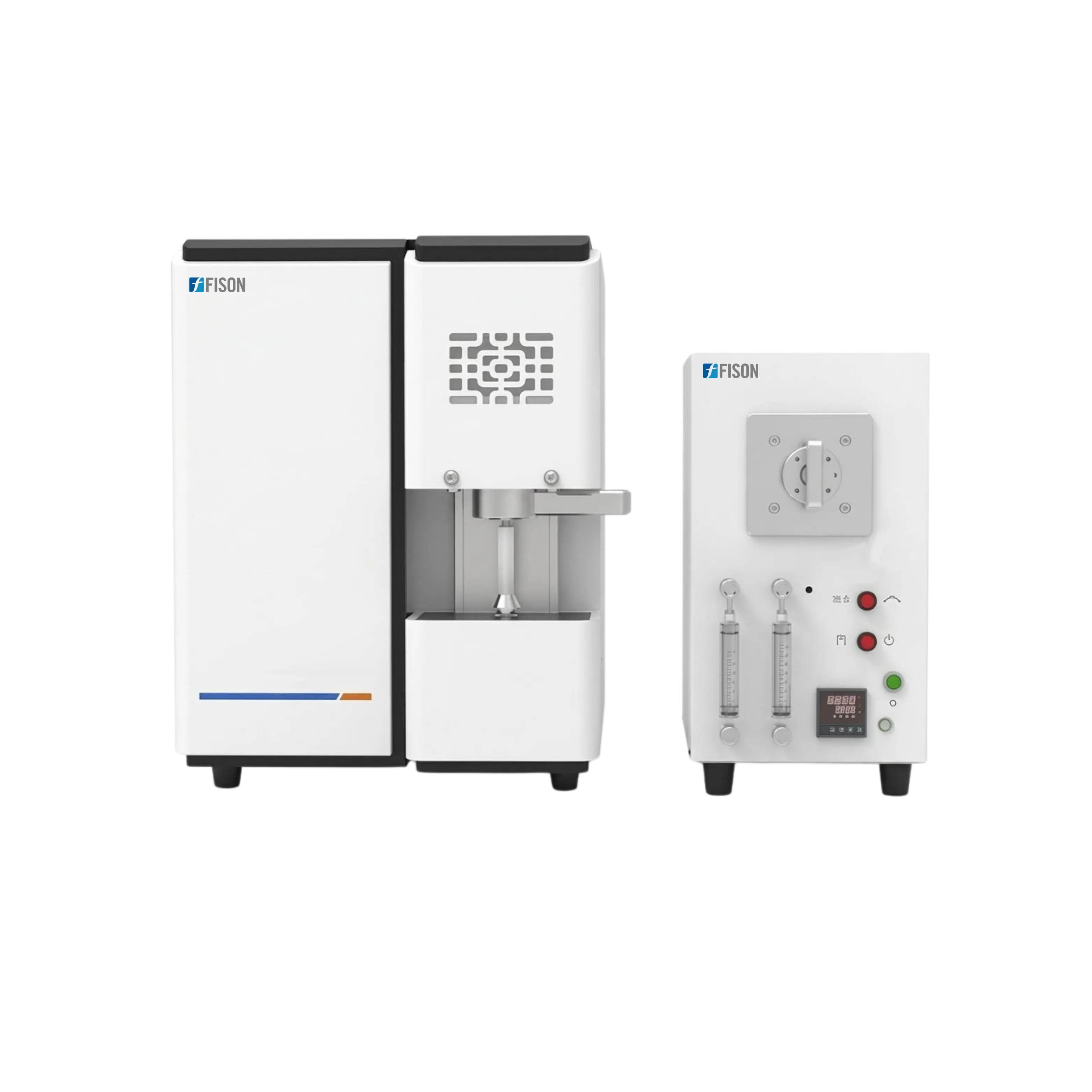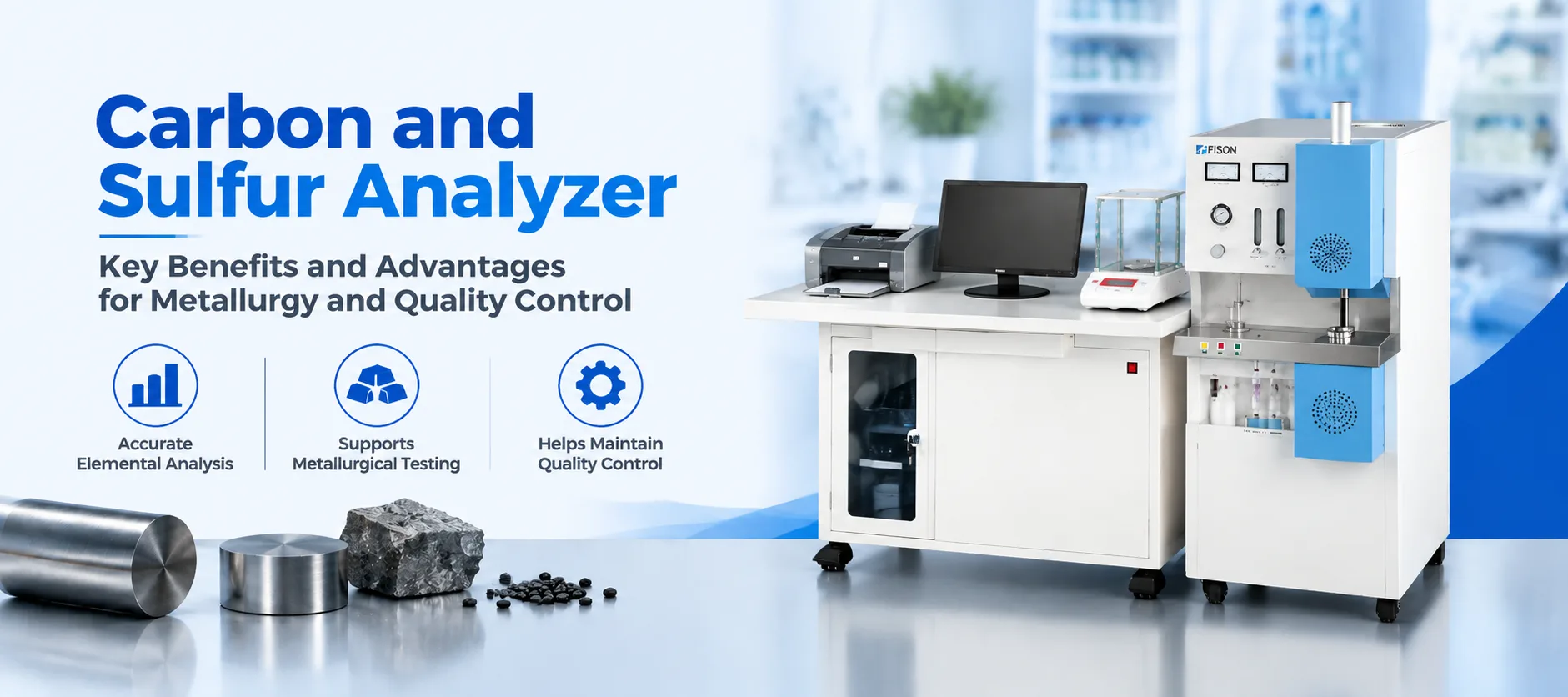
Laboratories, hospitals, research centres and advanced facilities running metallurgy and quality control programs turn to a Fison Carbon and Sulfur Analyzer when manual wet-chemistry testing can no longer keep pace with daily sample volume. This article looks at the practical advantages these instruments bring, how they arrive at a result, and what to watch for when comparing options.
Why Metallurgy and Quality Control Teams Depend on Fast Elemental Results
A steel mill or foundry cannot hold a melt or a finished casting indefinitely while a titration works through a carbon or sulfur determination, so turnaround time directly affects how quickly a batch can move to the next production step. Quality control programs face the same pressure from a different angle, needing enough throughput to check incoming raw materials without becoming the bottleneck in receiving.
An instrumental approach answers both pressures at once, returning a result in minutes instead of the extended sample preparation and titration steps a manual method requires, while also removing much of the operator-to-operator variation that wet chemistry tends to introduce.
Sulfur Analyzer Principle: How Combustion and Infrared Detection Deliver a Result
A weighed sample drops into a high-temperature furnace, where it combusts in an oxygen stream and converts its carbon and sulfur content into carbon dioxide and sulfur dioxide gas. These combustion products travel through a dust filter and drying stage before reaching a pair of infrared cells tuned to each gas.
Sample Weighing
Combustion Furnace
Infrared Cell Detection
Concentration Readout
The amount of infrared light each gas absorbs correlates directly to how much carbon or sulfur was present in the original sample, letting the software back-calculate a percentage figure referenced against the starting sample weight rather than an operator's visual titration endpoint. Keeping this Sulfur Analyzer principle in mind when troubleshooting an unexpected reading helps a lab separate a genuine composition issue from a furnace or detector problem.
Key Benefits of a Carbon and Sulfur Analyzer Over Manual Wet-Chemistry Methods
Beyond speed, a carbon and Sulfur Analyzer analysis run holds its detection limits consistently across samples, which matters when a quality control program needs to flag a small deviation in a critical alloy grade rather than only catching gross composition errors. Sample preparation is also lighter: a weighed solid sample in a crucible replaces the reagent handling and glassware that wet-chemistry carbon sulfur analysis depends on.
Because carbon and sulfur are measured together in a single combustion cycle, a lab avoids running two separate analytical procedures for what is often one quality decision, cutting both analyst time and the chance of a transcription error between two separate results.
Carbon Nitrogen Sulfur Analyzer Advantages for Alloy Steel Quality Control
Alloy steel producers tracking nitrogen pickup during heat treatment or nitrogen content in specialty grades benefit from a carbon nitrogen Sulfur Analyzer, which adds a third detection channel to the same combustion cycle rather than requiring a separate nitrogen determination. This keeps a quality control lab's sample-to-result workflow consistent even as the number of tracked elements grows.
Facilities deciding whether the added nitrogen channel earns its place in daily testing can compare furnace specifications and channel configurations across the full Sulfur Analyzer range before settling on a configuration matched to their alloy portfolio, including labs currently running a leco carbon and Sulfur Analyzer that lacks a nitrogen channel entirely.
Where the Carbon and Sulfur Analyzer Fits in the Wider Elemental Analysis Category
A carbon and Sulfur Analyzer sits within a broader elemental analysis category that also covers dedicated nitrogen and oxygen analyzers, combustion-based moisture analyzers and multi-element combustion systems used across metallurgy, mining and fuel testing. Within this category, quality control teams typically compare furnace ramp speed, infrared cell sensitivity, crucible handling and how the instrument reports results into existing laboratory information systems.
Reviewing the full Sulfur Analyzer category page is a practical way to line up these factors side by side before narrowing a shortlist, whether a facility is replacing a single leco carbon sulphur analyser or matching a whole carbon and Sulfur Analyzer dynasty across several sites to one platform. For facilities exploring elemental analysis and laboratory equipment beyond carbon and sulfur testing alone, the Fison home page lists the wider catalogue the brand carries.

Practical Uses of Carbon and Sulfur Analyzer Analysis in Metallurgy and Quality Control
Each carbon and Sulfur Analyzer application shares the same combustion-and-detection method, adapted to a different stage of metallurgy and quality control work. Receiving departments run incoming raw material checks with a carbon and Sulfur Analyzer before releasing stock into production, catching an off-grade shipment before it reaches the furnace. In-process quality control teams pull melt samples during steelmaking to confirm carbon content is tracking toward the target grade, adjusting the heat before the batch is tapped.
Finished product testing applies the same method to verify a casting or rolled product meets its specified composition before it ships, and foundries also use carbon and Sulfur Analyzer testing to sort scrap and returns by grade before they go back into the melt, rounding out the range of carbon and Sulfur Analyzer application areas a single instrument design can cover. Labs weighing carbon sulphur analyzer manufacturers for this kind of varied workload often prioritize reporting flexibility alongside raw detection performance.
Selection Mistakes to Watch For When Choosing a Carbon Sulphur Analyzer
A handful of recurring missteps show up during evaluation, and most only become clear once daily testing volume picks up:
- Sizing the furnace for average samples rather than the toughest ones. A furnace that handles routine alloys well can still struggle with a dense, hard-to-combust sample type run occasionally.
- Underestimating consumable and crucible costs. Daily testing volume drives crucible and combustion accelerator use up quickly in a busy quality control lab.
- Comparing carbon sulphur analyzer manufacturers on detection limit alone. Software reporting, data export format and calibration workflow affect daily usability just as much.
- Skipping a side-by-side run against an existing instrument. A lab replacing a leco carbon and Sulfur Analyzer, or any leco carbon sulphur analyser already logged into its testing records, should confirm the new unit reproduces results on the same reference samples before switching over fully.
- Ignoring long-term support for less common configurations. A carbon and Sulfur Analyzer dynasty spanning several product generations can vary in parts availability, which matters for a lab planning years ahead.
Ready to Explore Carbon and Sulfur Analyzer Options?
Furnace capacity, detection limits and reporting features differ meaningfully between models, and reviewing carbon sulfur analysis options together helps match an instrument to actual metallurgy and quality control needs rather than a rough estimate.
Explore Analyzer Options