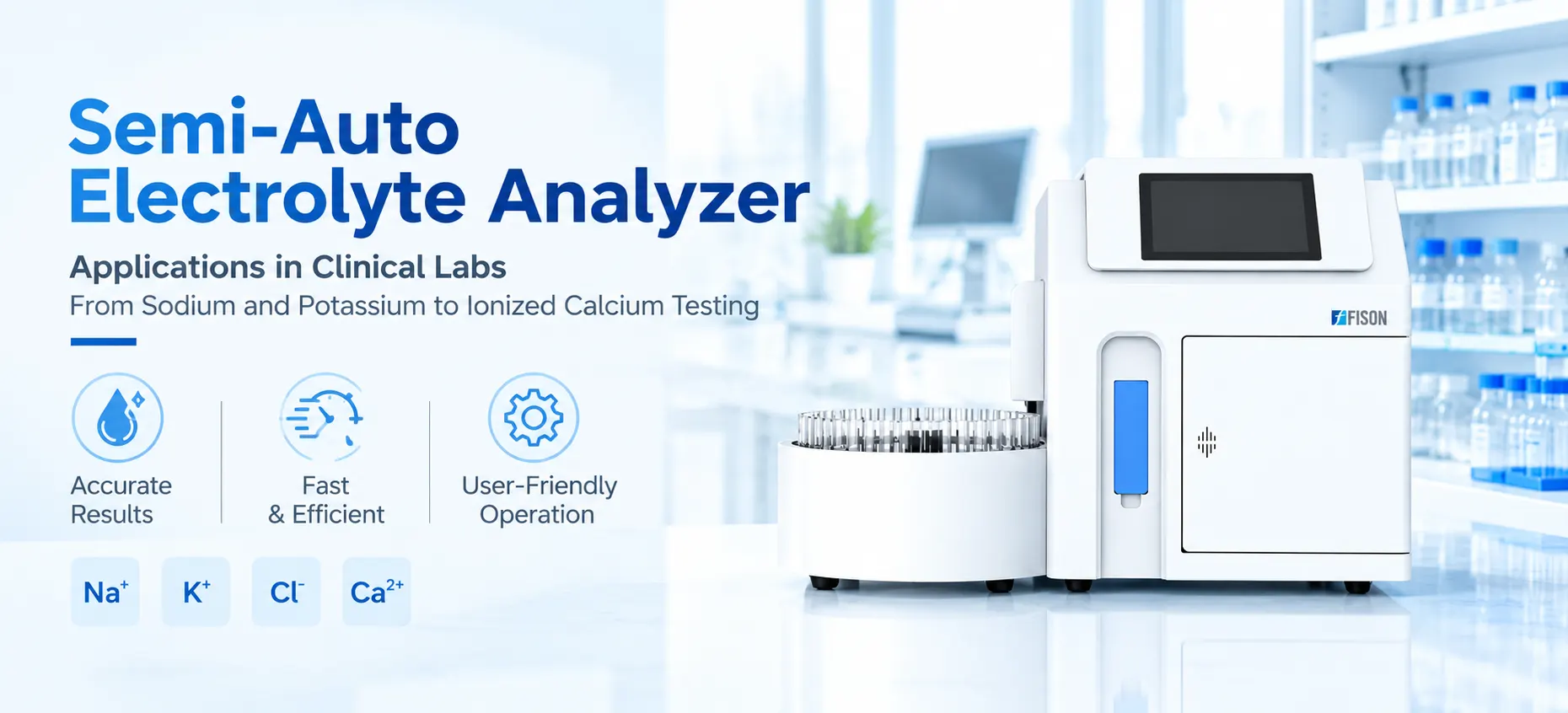
Electrolyte results arrive within seconds, which matters for immediate clinical diagnosis. This explains how a Fison Semi-Auto Electrolyte Analyzer measures ions, where it is used, and what to check before choosing one.
Why Electrolyte Levels Matter
Electrolytes are charged ions dissolved in body fluids. Sodium, potassium, and calcium are familiar examples, and labs measure them in blood, urine, and other biological fluids to support clinical diagnosis.
A Semi-Auto Electrolyte Analyzer is a benchtop instrument that measures the concentration of several ions in one run. The Semi-Auto Electrolyte Analyzer works with whole blood, serum, plasma, cerebrospinal fluid, and urine, and returns results within a few seconds. That speed makes it a practical Blood Electrolyte Analyzer for hospitals and clinical labs.
How Ion-Selective Electrodes Read Each Ion
The analyzer uses ion-selective technology. Each ion-selective electrode responds to one specific ion, producing an electrical potential that changes with that ion's concentration. The analyzer compares that potential with a reference and converts it into a result.
Electrode Potential Tracking
An automatic electrode potential tracking system keeps the electrodes stable during operation.
Auto Calibration
Automatic calibration keeps the electrodes matched to known reference values and supports an efficient workflow.
Automatic sample volume detection checks that enough sample is present before measuring. Because each electrode is selective, the Semi Automatic Electrolyte Analyzer measures several ions from a very small sample volume while helping prevent cross contamination.
What the Analyzer Brings to Electrolyte Testing
These features explain why clinical labs choose Semi-Auto Electrolyte Analyzer equipment for routine ion testing.
Results in Seconds
Results arrive within a few seconds, supporting immediate clinical decisions.
Multiple Ions per Run
Several ion concentrations are measured from one sample.
Very Small Sample Volume
Only a small amount of sample is needed for each Semi-Auto Electrolyte Analyzer test.
Five Sample Types
Whole blood, serum, plasma, cerebrospinal fluid, and urine can all be tested.
Less Cross Contamination
Ion-selective technology helps prevent one sample from affecting the next.
Sample Volume Detection
The analyzer confirms sample volume automatically before testing.
Digital Interface
An intuitive digital interface makes daily operation easy for staff.
LIS and HIS Integration
The analyzer integrates with hospital and laboratory information systems.
From Sodium and Potassium to Ionized Calcium
Semi-Auto Electrolyte Analyzer uses cover routine and immediate diagnostic testing in hospitals, clinical labs, and research centers.
Sodium and Potassium Testing
Sodium and potassium are common electrolyte tests, and results within seconds support immediate clinical diagnosis in hospitals.
Ionized Calcium Testing
Ionized calcium is the free, active form of calcium in blood, and an electrolyte analyzer with a calcium electrode can measure it directly.
Urine Electrolytes
Clinical labs test urine samples on the same Semi-Auto Electrolyte Analyzer Machine used for blood.
Cerebrospinal Fluid Testing
Hospitals and research centers can run cerebrospinal fluid samples alongside routine blood tests.
The ions measured depend on the electrodes fitted to each instrument, so confirm your electrolyte panel before choosing. The range of electrolyte analyzers shows how these features compare.
Electrolyte and Biochemistry Analyzers Compared
| Factor | Semi-Auto Electrolyte Analyzer | Semi-Automatic Biochemistry Analyzer |
|---|---|---|
| Measuring method | Ion-selective electrodes | Photometry |
| What it measures | Ion concentrations | Glucose, enzymes, proteins, and lipids |
| Sample types | Whole blood, serum, plasma, cerebrospinal fluid, urine | Prepared sample and reagent mixture |
| Result time | Within seconds | Depends on test mode |
Common Selection Mistakes to Avoid
Not Confirming the Ion Panel
Check that the analyzer measures the ions you need, such as sodium, potassium, or ionized calcium, before choosing.
Ignoring Sample Types
Confirm the analyzer accepts the fluids your lab collects, from whole blood to urine and cerebrospinal fluid.
Overlooking Calibration Supplies
Auto calibration may still rely on calibrator stock. Plan supplies so testing is not interrupted.
Forgetting System Integration
Confirm the analyzer links with your hospital or laboratory information system before installation.
Exploring the Electrolyte Analyzer Category
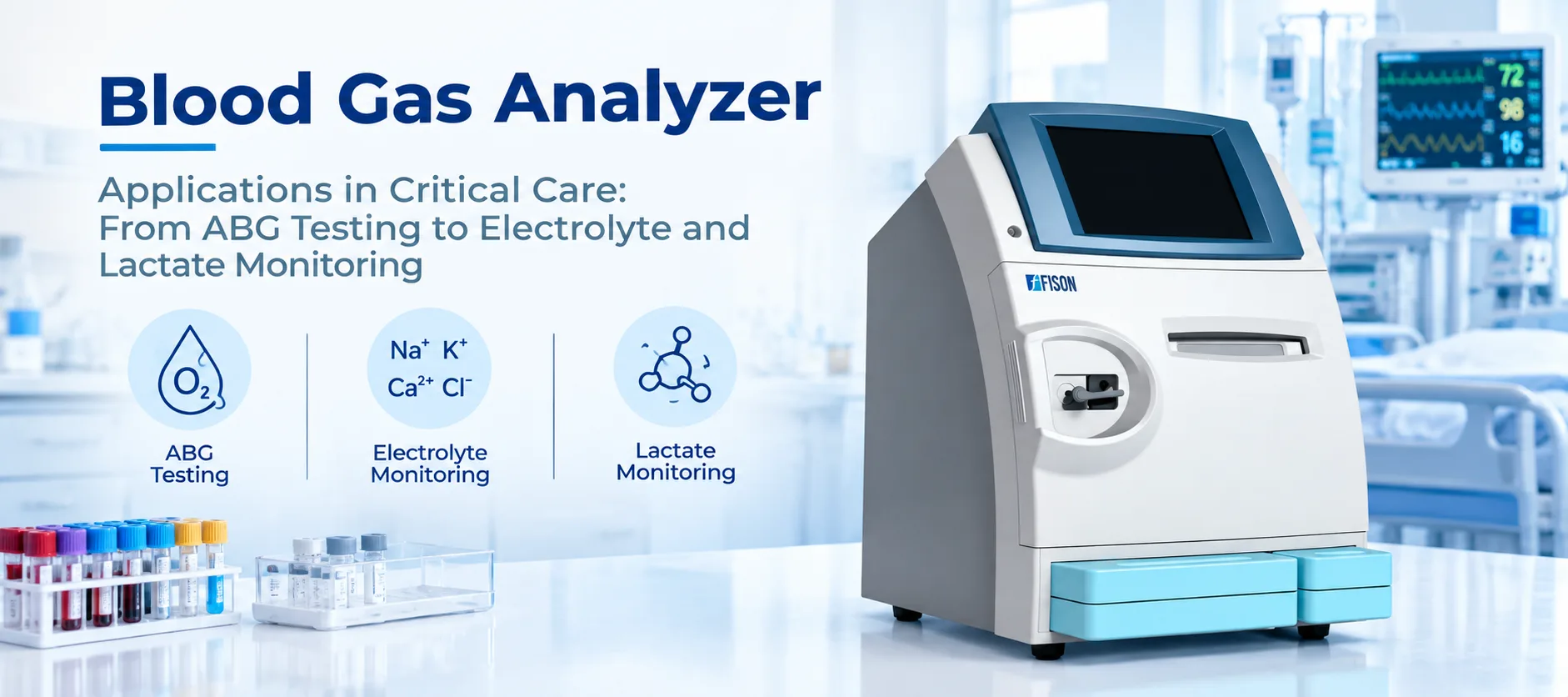
Electrolyte Analyzers sit within a wider group of clinical analyzers that also includes blood gas analyzers and biochemistry analyzers. Labs comparing an Auto Electrolyte Analyzer with a Semi-Automatic model usually weigh the ions measured, sample types, sample volume, result time, calibration, and system integration.
Whether you run sodium and potassium checks or ionized calcium testing, you can review the full electrolyte analyzer lineup to compare options, or browse other laboratory instruments on the Fison home page.
Review Semi-Auto Electrolyte Testing in Detail
Compare sample types, calibration, and integration options.
Explore Semi-Auto Electrolyte Analyzers