Introduction
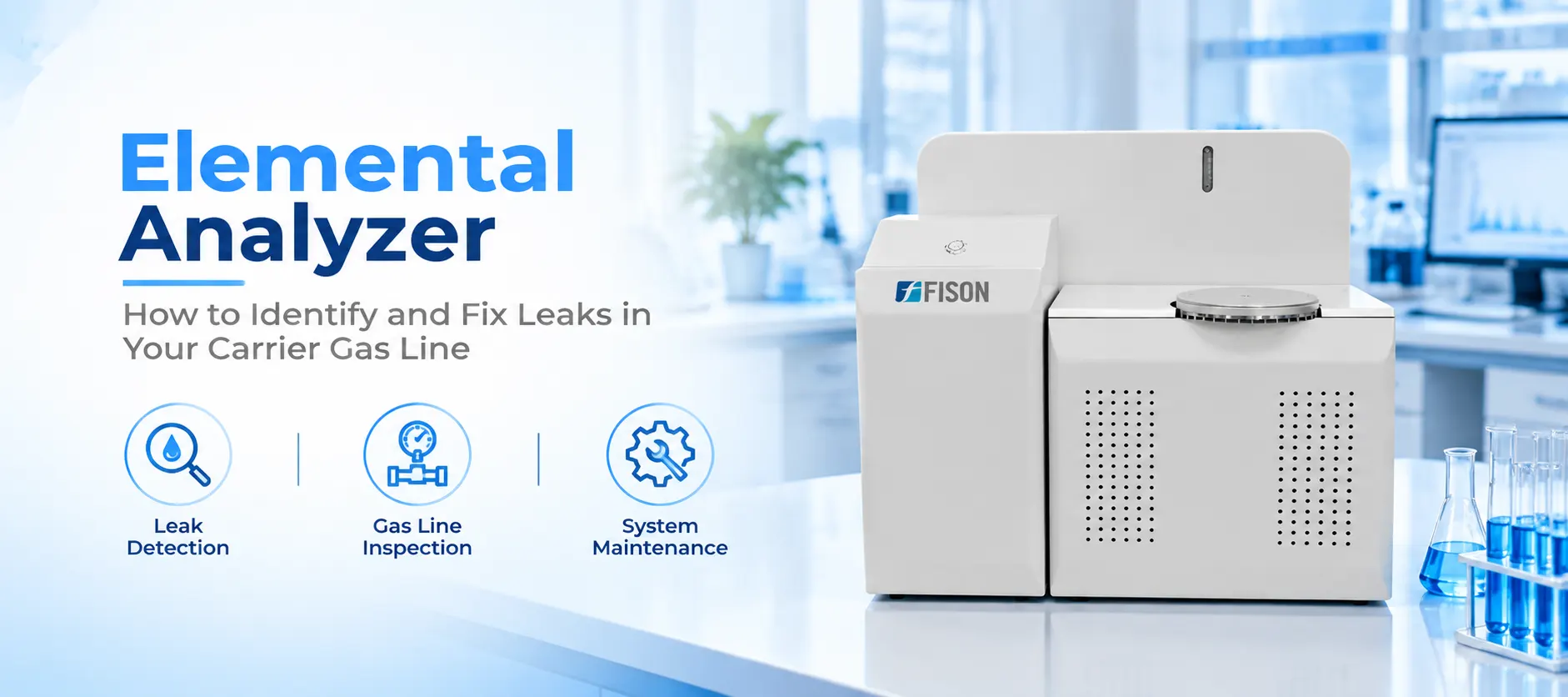
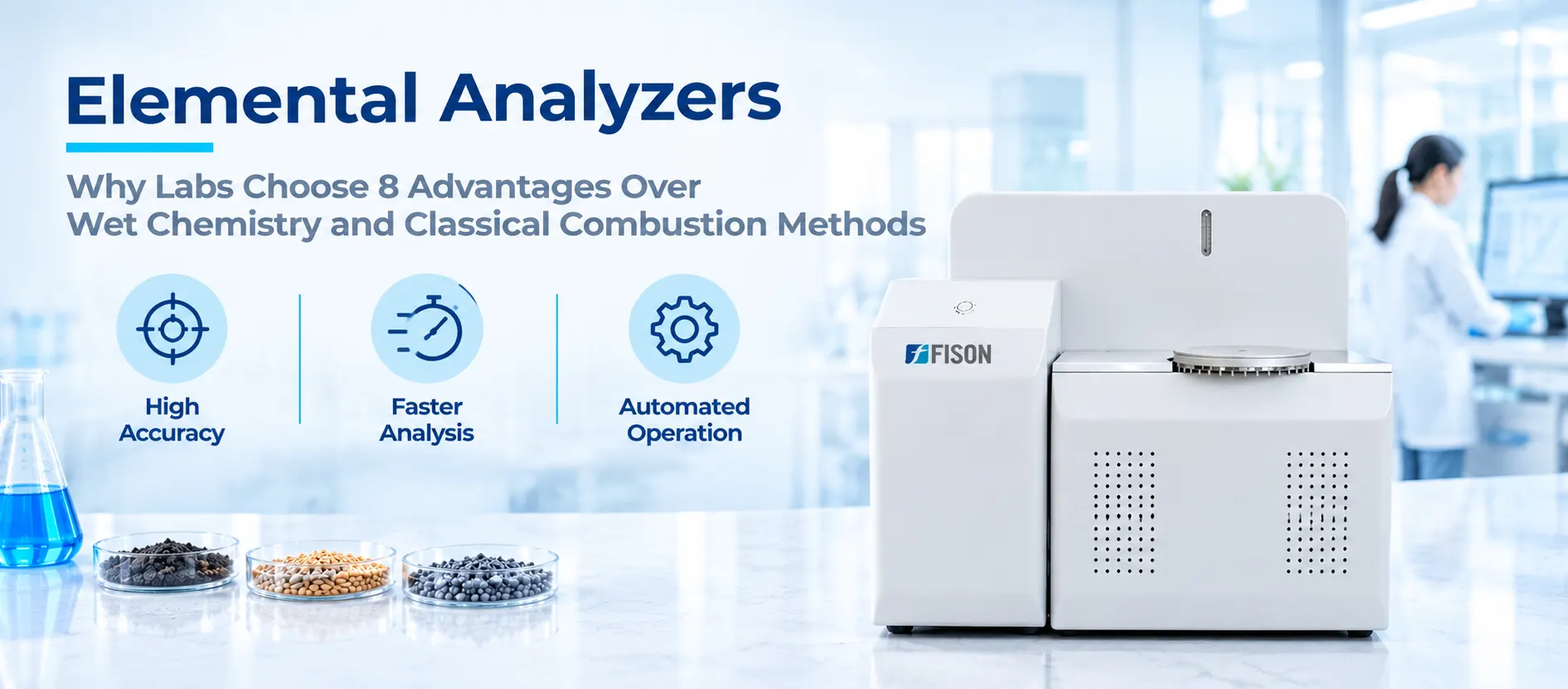
Before CHN and CHNS instruments became common on the bench, carbon, hydrogen, nitrogen, and sulfur content were measured through separate wet chemistry procedures and manual combustion setups, each with its own equipment, timeline, and skill requirement. An Fison Elemental Analyzer replaces that patchwork with a single automated workflow. This article walks through eight advantages that drove this shift, how the underlying principle makes them possible, and a few situations where the older methods still have a role. By the end, the case for choosing an Elemental Analyzer should be clear enough to weigh against a lab's own wet chemistry setup.
Why Labs Are Moving Away from Wet Chemistry and Manual Combustion
Wet chemistry methods built a lab's elemental data one measurement at a time: Kjeldahl digestion and titration for nitrogen, wet oxidation methods for organic carbon, and separate gravimetric combustion setups for total carbon and hydrogen. Each method needed its own glassware, its own digestion and titration steps, and its own trained technician to judge an endpoint correctly. Laboratories, hospitals, research centres, and advanced labs that ran several of these procedures side by side often found that the combined setup, cleanup, and analysis time for one sample's full elemental profile stretched across the better part of a day. Teams comparing testing approaches for the first time often start from Fison's homepage to see how CHN Elemental Analysis fits within the company's broader analytical instrument range before deciding whether to retire an older wet chemistry setup. Lab managers weighing this transition typically find that a single Elemental Analyzer on the bench replaces several pieces of wet chemistry equipment, which simplifies both the laboratory routine and the chn elemental analysis workflow a technician follows each day.
How the CHN Elemental Analyzer Principle Changes the Workflow
The Elemental Analyzer principle behind this shift is flash combustion: a weighed sample oxidizes almost instantly in a high-temperature furnace, converting carbon, hydrogen, nitrogen, and sulfur into simple gases that a chromatographic column separates and a thermal conductivity detector reads. Because each element of interest comes from the same combustion event, there is no separate digestion step for nitrogen and a different oxidation step for carbon, the way classical wet chemistry methods require. The chns Elemental Analyzer principle extends this same combustion sequence to include sulfur, covering four elements from one sample introduction rather than four separate procedures, and the CHNS analyzer working principle stays the same whether the sample is soil, plant tissue, or a pharmaceutical powder. Understanding the chns Elemental Analyzer principle in detail matters for labs running sulfur-containing samples regularly, since Elemental Analyzers configured for CHNS mode need a slightly different furnace setup than CHN-only instruments on the same laboratory bench.
Single Sample Load
One weighed sample feeds the entire combustion sequence.
Flash Combustion
Rapid oxidation converts the sample into measurable gases.
Column Separation
A column separates the resulting gases by travel time.
Detector Reading
A thermal conductivity detector reports each element's value.

Eight Advantages Over Traditional Methods
Each of the advantages below reflects a specific limitation of wet chemistry or classical combustion that an Automatic Elemental Analyzer from Fison's CHN Elemental Analyzer Range addresses directly. Lab managers evaluating a chn analyzer against their current wet chemistry setup generally find that these eight points cover the practical differences an Elemental Analyzer makes on a day-to-day laboratory workload.
Faster Turnaround
A combustion run finishes in minutes, compared with a digestion and titration sequence that can take much longer per sample.
Smaller Sample Size
Milligram-scale samples are enough, where wet chemistry often needs a larger portion to reach a measurable endpoint.
Simultaneous Multi-Element Data
Carbon, hydrogen, nitrogen, and sulfur come from one run instead of four separate procedures.
Fewer Hazardous Reagents
Combustion replaces concentrated acid digestion and the catalysts some Kjeldahl methods still rely on.
Reduced Operator Judgment
A detector reading a signal removes the subjectivity of a technician judging a color-change endpoint by eye.
Wider Matrix Range
Soils, plant tissue, polymers, and pharmaceutical powders can run on the same chn Elemental Analyzer with matrix-specific adjustments.
Automated Batch Runs
An autosampler queues a tray of samples, so a technician is not tied to the bench for each individual run.
Digital Record Keeping
Results log automatically instead of depending on a handwritten titration volume and a manual calculation.
Where the Automatic Elemental Analyzer Still Has Limits
None of this makes wet chemistry obsolete in all settings. A lab running a single nitrogen determination occasionally may not need the consumable columns, carrier gas supply, and calibration routine that an Elemental Analyzer requires, especially if sample volume stays low. Classical combustion methods also remain useful as a cross-check when a lab needs to confirm an automated result against an independent technique, particularly for an unusual matrix a chn analyzer has not been validated against before. Elemental Analyzer uses tend to make the most sense once sample volume or the need for multiple elements per sample grows past what manual methods can support efficiently. For most laboratory workloads, though, an Elemental Analyzer still outpaces what a wet chemistry method can match on turnaround and sample throughput.
Common Mistakes When Switching from Wet Chemistry
Comparing Options Within the Elemental Analyzer Category
The Elemental Analyzer belongs to a category of CHN and CHNS elemental analysis instruments that also includes variations in furnace temperature range, autosampler capacity, and detector configuration, and labs moving away from wet chemistry typically compare these specifications against the sample types and volumes they expect to run. The CHN Elemental Analyzer range Fison offers covers this range of configurations, and it sits alongside the wider set of analytical instruments listed on Fison's home page, worth reviewing for labs also evaluating complementary testing equipment during a method transition. A laboratory team comparing chn elemental analysis instruments side by side typically weighs furnace temperature range and autosampler capacity alongside how each Elemental Analyzer handles the specific matrices their laboratory runs most often.