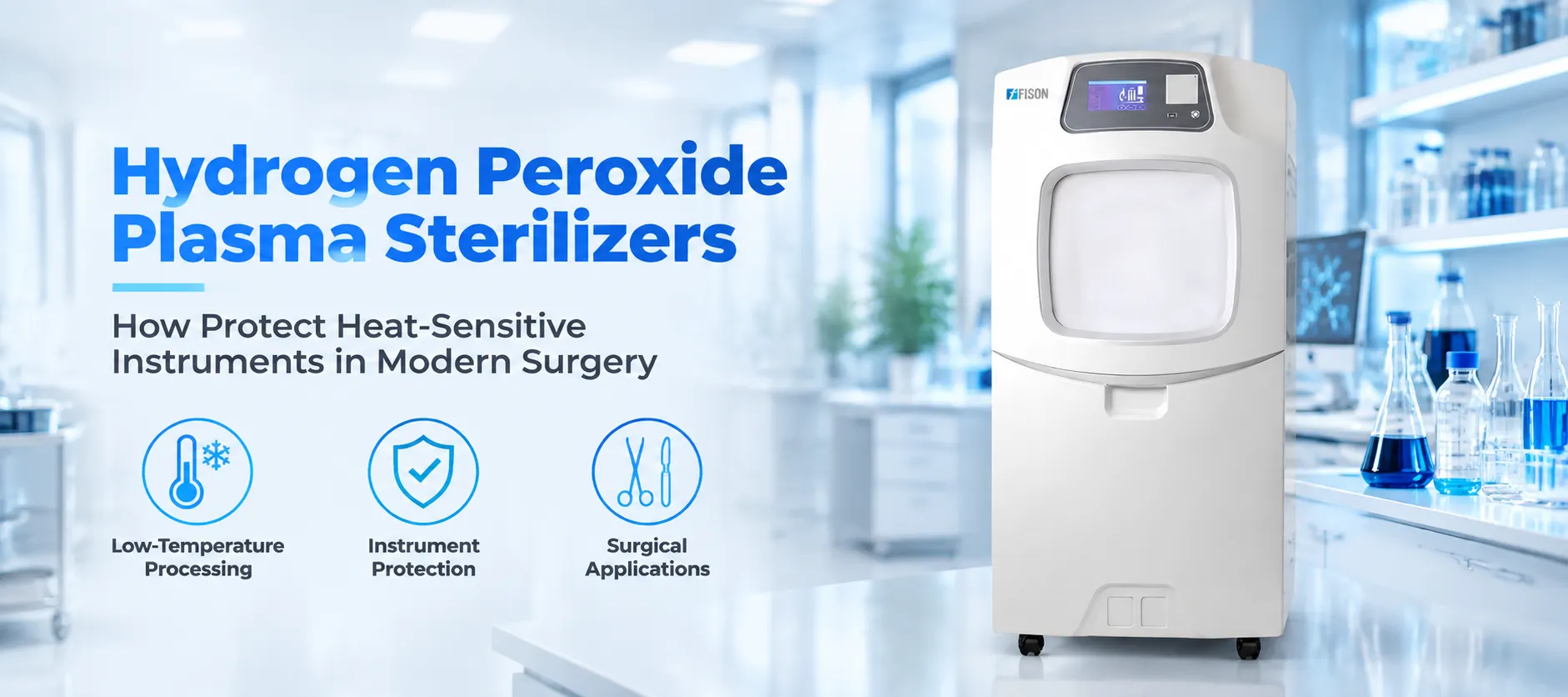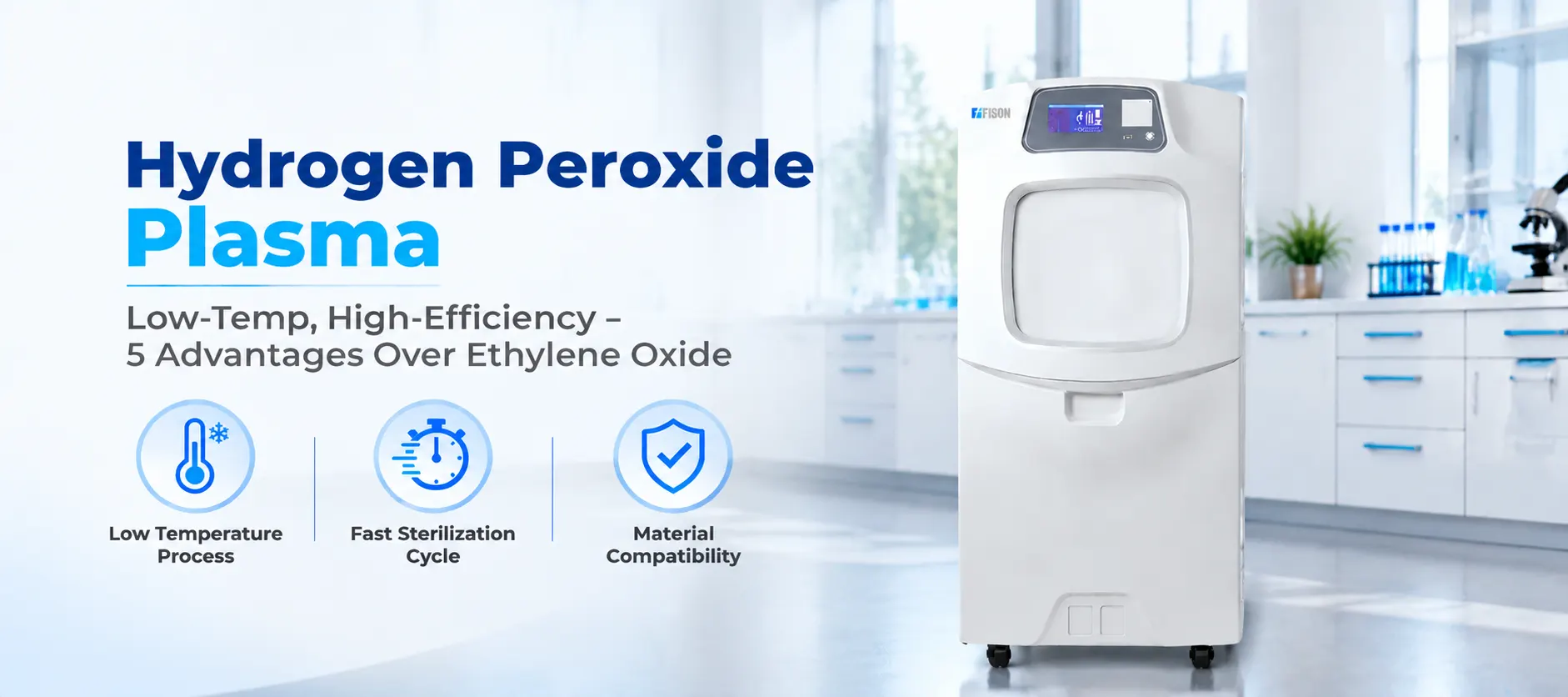
Laboratories, hospitals, research centres and advanced facilities processing heat- and moisture-sensitive devices have long relied on gas-based methods to reach instruments a steam cycle would damage. A Fison hydrogen peroxide plasma sterilizer and an ethylene oxide sterilizer both fill that role, but the two methods differ sharply in cycle time, byproduct safety and infrastructure needs. This article compares them directly and looks at where a plasma cycle's low-temperature, high-efficiency approach makes the practical difference.
Why the Choice Between Gas-Based Sterilization Methods Matters
Not all heat-sensitive devices can go through the same gas-based cycle, and facilities running both an ethylene oxide sterilizer and a Hydrogen Peroxide Plasma Sterilizer quickly learn that the choice between them affects far more than sterility outcome alone. Cycle length, aeration needs and the byproducts left behind all shape how quickly an instrument set becomes available again for the next procedure or experiment.
Gas plasma sterilization was developed as a faster, lower-hazard alternative to gas-based methods that rely on a toxic exposure gas, and comparing the two directly makes clear where that advantage actually shows up in daily operation. Interest in gas plasma sterilisation has grown steadily among facilities looking for this kind of lower-hazard alternative, and this hydrogen peroxide sterilization method has become the default choice for many of them. A Hydrogen Peroxide Plasma Sterilizer is often the specific system facilities point to when describing this shift away from older gas methods. Reviewing the full sterilizer category alongside a facility's actual device mix is a practical way to see how much of a caseload could realistically move to the faster method.
How a Low-Temperature Vapor-to-Plasma Cycle Actually Runs
A hydrogen peroxide sterilizer starts by drawing a vacuum inside a sealed chamber, then injecting a measured dose of vaporized hydrogen peroxide that diffuses around and, where geometry allows, through the load. This vapor phase reaches instrument surfaces and exposed lumens ahead of the next stage.
Vacuum Draw & Load
Vapor Diffusion
Plasma Conversion
Reactive Byproduct Venting
An electric field then converts the remaining hydrogen peroxide gas plasma into reactive species such as free radicals, which is the plasma sterilizer working principle that gives the Hydrogen Peroxide Plasma Sterilizer its name. These reactive species break down microbial cell structures directly, and the plasma stage doubles as a way to convert leftover hydrogen peroxide into water vapor and oxygen before the chamber vents to ambient pressure. Any hydrogen peroxide gas plasma sterilization system completes this entire vapor-to-plasma sequence in roughly an hour, a pace that stands in sharp contrast to a gas method built around a much longer exposure and clearance cycle.
Positioning Hydrogen Peroxide Plasma Within Fison's Sterilizer Range
A Hydrogen Peroxide Plasma Sterilizer sits within a broader sterilizer category that also includes steam, dry heat and ethylene oxide gas systems, each suited to a different combination of material, geometry and turnaround expectation. Within this category, facilities typically compare cycle time, chamber volume, packaging compatibility and byproduct handling before settling on which technologies to keep available side by side. Growing interest in gas plasma sterilisation across many facilities has pushed some to reconsider how much capacity they still dedicate to slower gas-based alternatives, and a hydrogen peroxide sterilizer of this kind is often the first technology evaluated for that shift. A hydrogen peroxide gas plasma sterilization system is typically weighed against ethylene oxide and steam options within the same sterilizer range before facilities commit to one primary method.
The full sterilizer range lists these technologies together for direct comparison, and for facilities weighing sterilization equipment against other laboratory and hospital instrument lines, the Fison home page catalogues the wider range available. Comparing a Hydrogen Peroxide Plasma Sterilizer against other sterilizer category options side by side is often the deciding step before a facility commits floor space and staff time to new equipment.

Five Advantages Hydrogen Peroxide Plasma Holds Over Ethylene Oxide
Non-toxic reaction byproducts, since a hydrogen peroxide plasma sterilization process converts leftover vapor into water and oxygen instead of leaving a toxic residual gas that requires special handling.
A hydrogen peroxide plasma sterilizer completes a dramatically shorter overall cycle, typically finishing in roughly an hour compared with a gas method whose aeration phase alone can run far longer than its own exposure step.
No extended quarantine period after the cycle ends, since there is no residual toxic gas that instruments and packaging need time to off-gas before safe handling.
Lower supporting infrastructure needs, avoiding the dedicated aeration room and gas monitoring equipment a facility running a toxic exposure gas has to maintain.
A hydrogen peroxide plasma sterilizer operates at ambient-range temperature without the flammability concerns that come with a combustible sterilant gas, simplifying day-to-day handling procedures for operators.
Where the Faster, Lower-Hazard Cycle Makes a Practical Difference
Hydrogen Peroxide Plasma Sterilizer uses continue to expand as more device categories move away from gas-based alternatives that require extended aeration. Each Hydrogen Peroxide Plasma Sterilizer application shares the same vapor-and-plasma method, adapted to a different pace of daily work across these settings.
Laboratories processing frequent small batches of heat-sensitive equipment benefit from a Hydrogen Peroxide Plasma Sterilizer cycle that finishes in about an hour rather than waiting through a multi-hour exposure and aeration sequence.
Hospitals with high daily case turnover use the shorter cycle to keep endoscopes and powered instruments moving between procedures without the scheduling buffer a longer gas method requires.
Research centres with limited space find it easier to house a Hydrogen Peroxide Plasma Sterilizer than the dedicated aeration area and gas monitoring a toxic exposure gas would require.
Advanced labs handling instruments with embedded electronics rely on the lower-temperature, shorter-exposure cycle to avoid the material fatigue repeated long gas cycles can cause over time.
This spread of Hydrogen Peroxide Plasma Sterilizer uses keeps growing as more facilities weigh cycle speed and byproduct safety alongside sterility performance when comparing gas-based methods. Each new Hydrogen Peroxide Plasma Sterilizer application tends to share the same underlying vapor-and-plasma method, adapted to a different daily caseload rather than requiring a different technology.
Selection Mistakes to Watch For When Switching From Ethylene Oxide to Plasma
A handful of recurring missteps affect hydrogen peroxide plasma sterilisation results during this kind of transition, and most only become clear once a load has already run into a problem:
- Assuming plasma can replace ethylene oxide across all device types. Lumen diameter and length restrictions mean some long, narrow or highly convoluted devices still need a gas method with deeper penetration.
- Carrying over the same packaging materials. Cellulose-based wraps that work with an ethylene oxide sterilizer absorb hydrogen peroxide vapor, so a switch to plasma needs polypropylene or similar synthetic wrap instead.
- Underestimating staff retraining needs. Indicator placement, loading patterns and cycle monitoring differ enough between the two methods that skipping retraining can lead to preventable cycle failures. Walking new operators through the plasma sterilizer working principle directly, rather than assuming prior gas-method experience transfers, helps this training stick.
- Overestimating throughput gains without checking device mix. A caseload with many long-lumen devices sees a smaller practical benefit from switching, since those items may still need to route through a gas method.
- Retiring gas-based capacity too soon. Removing ethylene oxide capacity before confirming a Hydrogen Peroxide Plasma Sterilizer covers a facility's actual device mix can leave a gap for the instruments that still need gas-level penetration.
Compare Hydrogen Peroxide Plasma Against Your Current Sterilization Setup
Cycle time, device compatibility and infrastructure needs all vary between a hydrogen peroxide plasma sterilisation system and a gas-based alternative, and matching these to a facility's actual device mix matters more than choosing based on cycle speed alone. Documenting the hydrogen peroxide plasma sterilization process alongside a facility's device mix makes this comparison easier the next time equipment options are reviewed, and a hydrogen peroxide sterilization method chosen today may still need revisiting as instrument design continues to change.
Explore Plasma Sterilizer Options