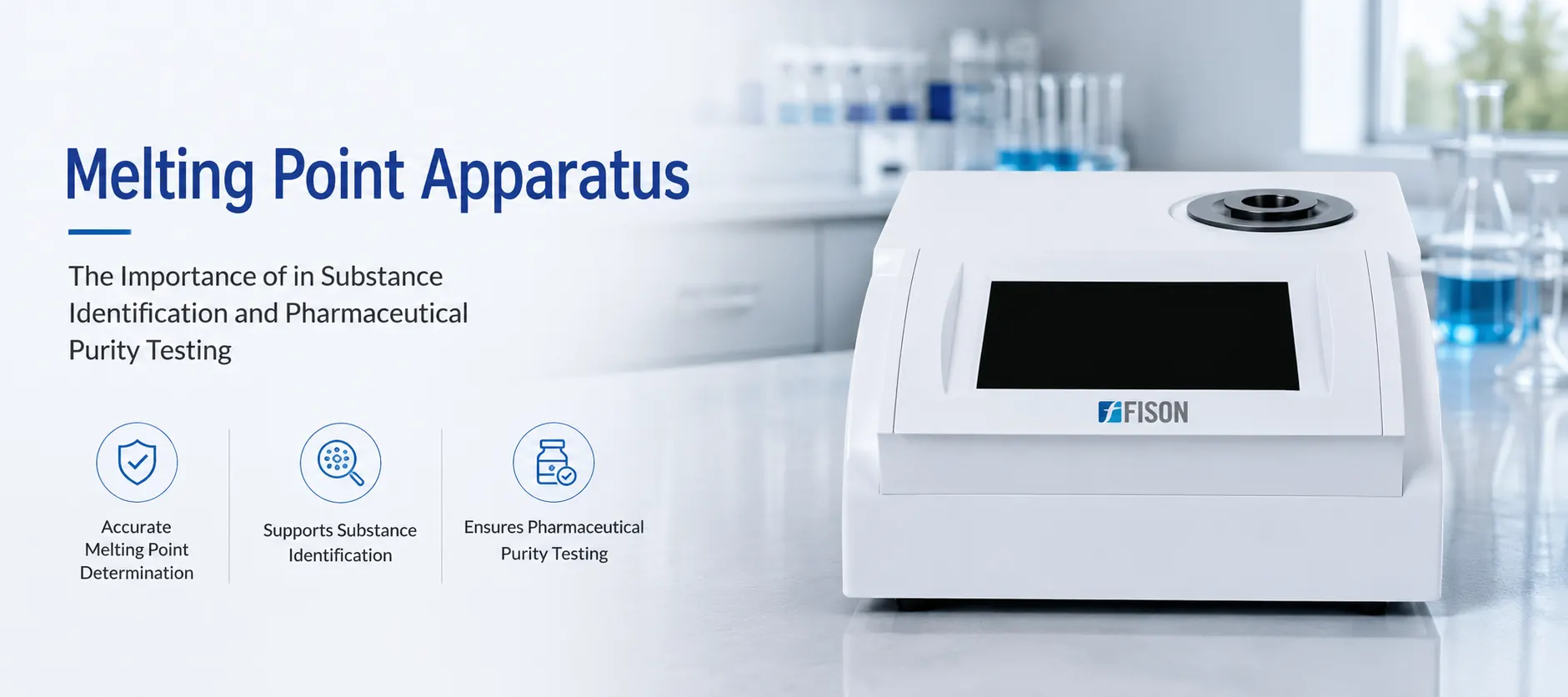
Laboratories, hospitals, research centres and advanced facilities working with raw materials, active ingredients or newly synthesized compounds still lean on A Fison Melting Point Apparatus for one of the simplest and most direct identity checks available. This article looks at how these instruments work, where they fit into a wider thermal analysis setup, and what to check before choosing one.
Why Melting Point Still Matters in a Lab Full of Advanced Instruments
Spectroscopy and chromatography give a lab detailed structural and compositional information, but neither offers the quick, low-effort identity check that a melting point instrument provides. A pure compound melts across a narrow temperature range that closely matches published reference values, while an impure or degraded sample tends to melt over a wider range and at a lower starting point.
That simple relationship is why a melting point tester remains part of routine incoming material checks even in labs equipped with far more sophisticated analytical equipment. It offers a fast first read on whether a sample matches what it claims to be before committing time to a longer analytical method.
How a Melting Point Apparatus Works: Principle Behind Capillary Tube Testing
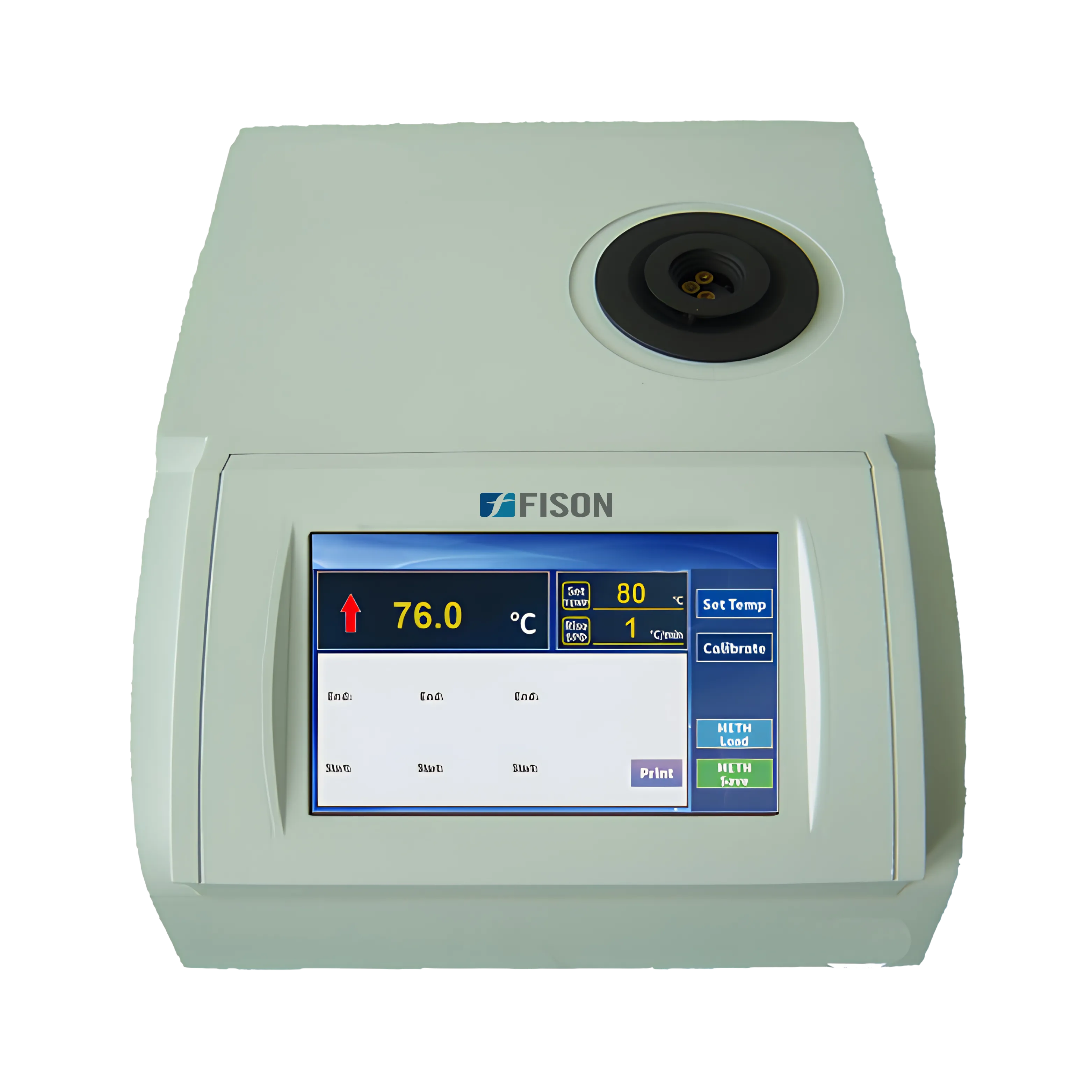
A Melting Point Apparatus packs a small amount of finely ground sample into a narrow glass capillary tube, then heats that tube at a controlled, steady rate inside a metal or oil bath. As the temperature climbs, an operator or an optical sensor watches for the point where the sample begins to soften, followed by the point where it turns fully liquid, and the gap between these two readings describes the melting range rather than a single fixed number.
Load Capillary Tube
Controlled Heating
Optical Detection
Melting Point Result
A Melting point Apparatus Capillary tube has to be packed evenly and to a consistent depth, since an unevenly packed sample heats inconsistently and can produce a wider, less accurate melting range than the material actually has.
Manual and Digital Melting Point Apparatus: Matching Precision to Workflow Needs
A manual unit relies on an operator watching the capillary tube through a magnifying lens and noting the onset and clear points by eye, which works well for occasional testing but introduces some variation between operators. A digital Melting Point Apparatus instead uses an optical sensor and camera to detect the same transition points, removing much of that operator-to-operator variation from the reading.
A Melting Point Apparatus automatic in its detection and ramp control also logs results directly, which matters for labs that need a record of each test run rather than a handwritten note. Facilities weighing manual against digital formats can compare ramp rate control, detection method and sample capacity on the Melting Point Apparatus category page before deciding which format suits daily testing volume.
Where the Melting Point Apparatus Fits in the Wider Thermal Analysis Equipment Category
A Melting Point Apparatus belongs to a broader group of thermal analysis and physical property testing equipment that also includes boiling point apparatus and differential scanning calorimeters. Within this group, labs typically compare temperature range and ramp rate control, sample capacity for running multiple capillaries at once, detection method, and how easily results can be logged against batch or sample records.
Reviewing the full range of Melting Point equipment is a practical starting point for lining up these factors before narrowing a shortlist.
For labs exploring thermal analysis equipment beyond melting point testing, the Fison home page lists the wider catalogue of laboratory equipment the brand carries.
Practical Uses of a Melting Point Apparatus Across Laboratories and Research Centres
A melting point analysis apparatus shows up in more workflows than incoming raw material checks alone, once a lab looks at the full range of situations where an identity or purity question comes up.
Quality control laboratories run this test on raw materials and active pharmaceutical ingredients to confirm identity and flag possible impurities before a batch moves forward. Research centres rely on the same melting point device when characterizing a newly synthesized compound, since a clean, narrow melting range is often one of the first signs that a synthesis produced a pure product. Pharmacy compounding labs occasionally reference melting point data when verifying raw materials used in preparations, while advanced labs running frequent testing pair the instrument with multi-capillary holders to check several samples in a single heating run.
Selection Mistakes to Watch For When Choosing Melting Point Equipment
A handful of recurring missteps show up during evaluation, and most only become clear once the instrument is already in routine use:
- Overlooking ramp rate accuracy. A heating rate that runs faster or slower than displayed will shift the observed melting range away from the true value.
- Using inconsistent capillary packing technique. Uneven sample packing produces a wider melting range than the material actually has, regardless of how accurate the instrument itself is.
- Relying on manual reading for high sample counts. Melting point apparatus equipment read by eye becomes time-consuming and more prone to variation once daily sample counts grow.
- Underestimating sample capacity needs. A single-capillary unit can become a bottleneck for a lab that regularly needs to test several samples together.
- Skipping a calibration check against a known reference compound. Verifying accuracy against a compound with a well-documented melting point catches drift before it affects routine results.
Manual and Automatic Melting Point Testers: A Quick Comparison
Some labs still run melting point checks with a manual, visually read unit rather than an automatic optical detection system. The table below outlines where each approach tends to fit.
| Aspect | Manual Reading | Automatic Melting Point Tester |
|---|---|---|
| Result consistency | Varies with operator technique | Stays consistent test to test |
| Suitability for high sample counts | Time-consuming at scale | Handles multiple capillaries efficiently |
| Data logging | Recorded by hand | Captured and stored automatically |
| Typical setting | Occasional, low-volume checks | Routine quality control and research testing |
Ready to Compare Melting Point Apparatus Options?
Ramp rate control, detection method and sample capacity differ meaningfully between models, and reviewing them together helps match an instrument to actual testing needs rather than a rough estimate.
View Melting Point Apparatus Options