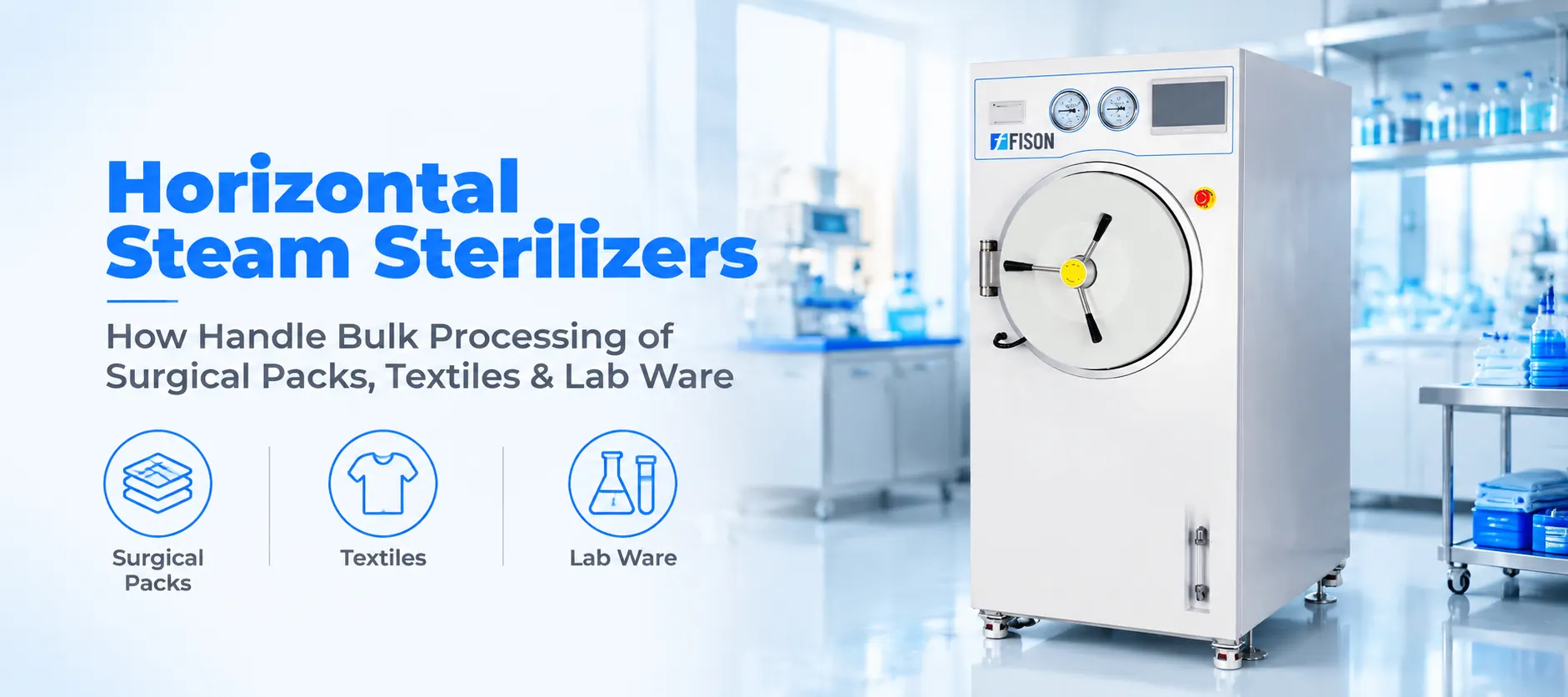
Wrapped surgical instrument packs, folded linens and stacks of lab glassware all present a different sterilization challenge than a handful of loose metal tools: dense, air-trapping loads that need a cycle built around removing air pockets before steam can reach all layers. A Fison Horizontal Steam Sterilizer is built around exactly this kind of bulk, porous load. This article covers how the cycle handles these materials, where it's used, and what's easy to overlook when running one.
Why Surgical Packs, Textiles and Lab Ware Need Bulk-Capable Sterilization
A folded surgical drape or a tightly wrapped instrument tray traps air differently than an open tray of loose metal tools, and that trapped air is exactly what a steam cycle has to displace before sterilization can begin. Textile bundles, wrapped packs and stacked glassware all share this same air-removal challenge, which is why hospitals and labs handling this kind of bulk load lean on equipment sized and cycled specifically for it, rather than treating all loads the same way.
Steam Sterilisation Process Inside a Horizontal Chamber
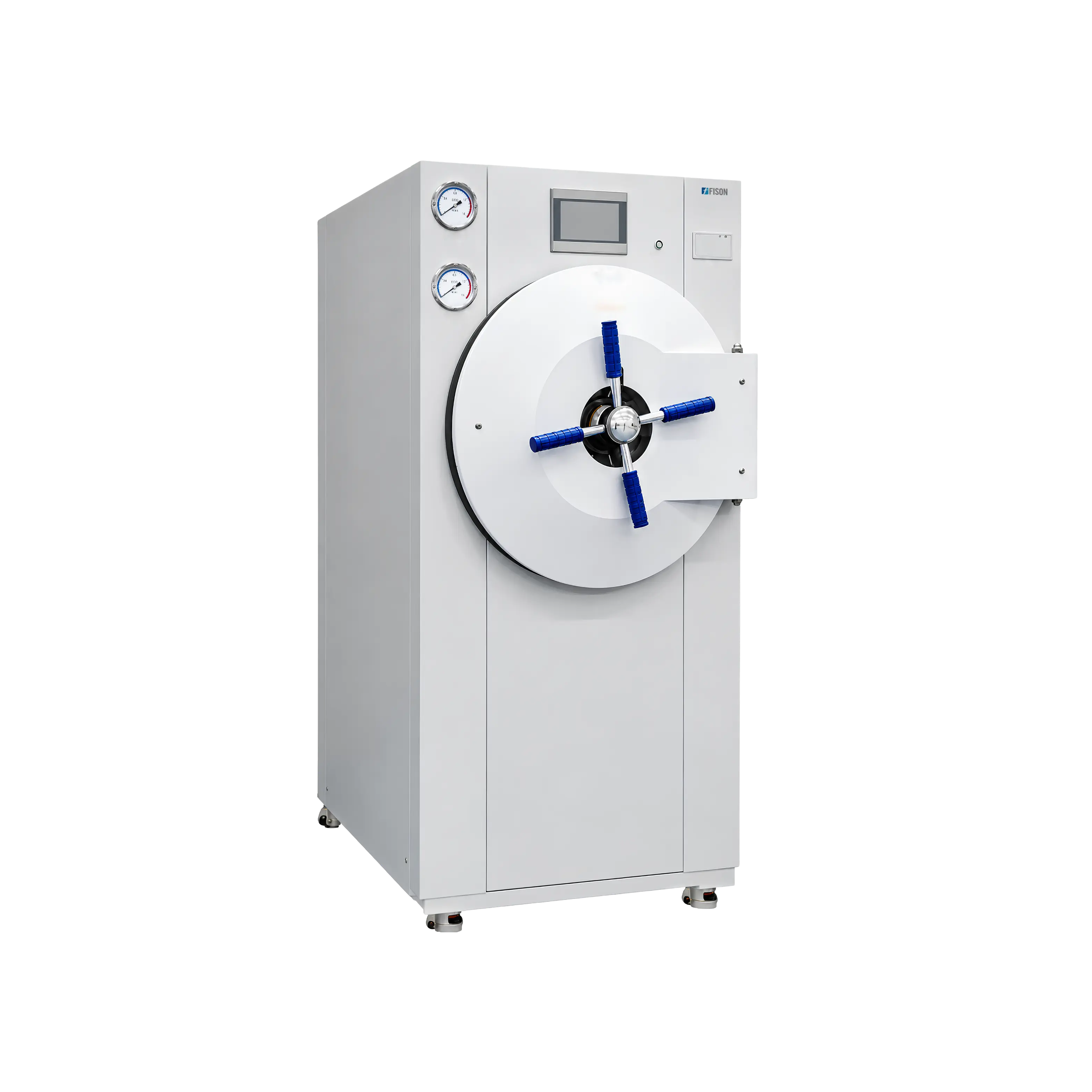
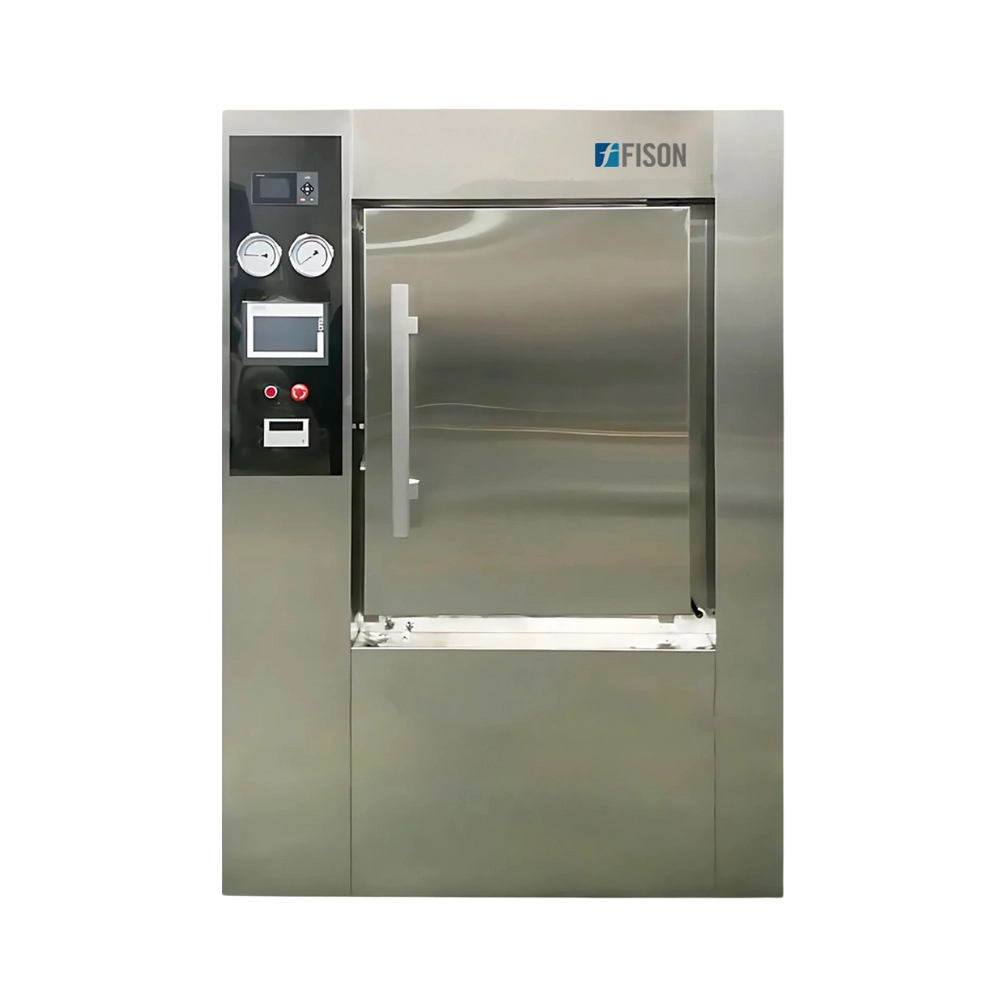
A horizontal cylindrical pressure steam sterilizer lays its chamber on its side, a shape that suits sliding trolleys or carts loaded with stacked packs and textile bundles deep into the chamber without lifting them overhead. This same horizontal cylindrical pressure steam sterilizer layout is what allows a much larger door opening relative to floor space than a comparable vertical unit.
Pack & Textile Loading
Pre-Vacuum Air Removal
Steam Penetration & Hold
Vacuum-Assisted Drying
Because porous loads trap air more stubbornly than solid metal instruments, a horizontal pressure steam sterilizer typically runs a series of vacuum pulses before the main steam phase, pulling air out of folded fabric layers and pack interiors so steam can reach all surfaces evenly. A drying phase under vacuum follows the hold period, drawing residual moisture out of dense textile bundles that would otherwise stay damp far longer than a load of solid tools. This same steam sterilisation process repeats consistently regardless of whether the chamber holds packs, textiles or glassware on a given run.
Where the Horizontal Steam Sterilizer Fits in the Wider Sterilizer Category
A Horizontal Steam Sterilizer sits within a broader sterilizer category that spans gas-based methods alongside steam, dry heat and other technologies, each suited to a different combination of load type, material and turnaround need. Within this category, facilities typically compare chamber volume, cycle programming, drying performance and cart or trolley compatibility when narrowing down options, and a Horizontal Pressure Steam Sterilizer generally sits toward the higher end of that comparison for bulk textile and glassware capacity.
The full sterilizer range lists these technologies side by side, and for facilities comparing sterilization equipment against other laboratory and hospital instrument lines, the Fison home page catalogues the wider range available.

Horizontal Steam Sterilization Compared with Gas-Based Methods
Ethylene oxide and hydrogen peroxide gas plasma methods exist because certain devices can't tolerate steam's heat and moisture, but surgical packs, textiles and lab glassware generally tolerate both without issue, which is why a horizontal autoclave sterilizer remains the faster, more direct choice for this kind of bulk load. A horizontal high pressure steam sterilizer completes a full cycle in a fraction of the time a gas-based method needs, since it skips the extended aeration phase gas sterilization requires. Facilities weighing a horizontal autoclave sterilizer against a gas-based option typically start by separating their caseload into heat-tolerant and heat-sensitive groups first.
Reviewing the complete sterilizer category alongside the actual mix of heat-tolerant and heat-sensitive materials a facility processes helps decide how much of a caseload belongs on steam versus a gas-based cycle.
Practical Bulk Loads a Horizontal Steam Sterilizer Handles
Each Horizontal Steam Sterilizer application shares the same bulk, porous-load method, adapted to a different material type. A Horizontal Steam Sterilizer autoclave earns its place wherever a facility needs to process dense, bulky loads on a repeating schedule rather than one instrument set at a time.
- Wrapped surgical instrument trays move through hospital central sterile departments in stacked batches ahead of scheduled procedures, relying on consistent steam penetration through multiple wrap layers.
- Hospital linens and textile bundles, including surgical drapes, gowns and towel packs, go through the same bulk cycle, where the pre-vacuum and drying phases matter as much as the sterilization hold itself.
- Bulk laboratory glassware and media from research labs processing large batches of flasks, bottles and prepared media benefit from a horizontal cylindrical steam sterilizer's chamber depth, fitting more per cycle than a smaller unit could.
- Research textiles and soft goods, such as animal bedding and absorbent wound-care materials, share the same air-removal and drying requirements as hospital linens.
This range of bulk loads is part of why a horizontal cylindrical steam sterilizer often runs multiple cycle types in a single day, switching between pack-heavy and glassware-heavy loads as demand shifts. This breadth of Horizontal Steam Sterilizer application areas is why cycle scheduling matters as much as chamber size when sizing a unit.
Selection Mistakes to Watch For When Choosing a Horizontal Steam Sterilizer
A handful of recurring missteps show up during evaluation, and most only become clear once a pack comes out of the chamber still damp or under-treated:
- Underestimating pack density and wrapping technique. A tightly overpacked tray or an improperly folded wrap can block steam penetration even when the cycle itself runs correctly.
- Assuming one cycle suits both textiles and glassware. Pack-heavy loads generally need longer pre-vacuum and drying phases than a load of glassware, and defaulting to one program can leave dense packs damp or under-sterilized.
- Overlooking drying time for textile-heavy loads. Rushing the drying phase to save time leaves damp linens more prone to recontamination once removed from the chamber.
- Mixing incompatible load types in a single cycle. Combining metal instruments with textile bundles without adjusting cycle parameters can under-treat one material type while over-processing the other.
- Placing biological indicators only near the chamber door. Indicators need to sit inside the densest part of a pack or bundle, since that's where steam penetration is hardest to confirm.
Ready to Explore Horizontal Steam Sterilizer Options?
Chamber depth, cycle programming and drying performance all vary across Horizontal Steam Sterilizer autoclave models, and matching these to the actual mix of packs, textiles and glassware a facility processes matters more than choosing on chamber size alone. A horizontal high pressure steam sterilizer sized for actual daily bulk volume avoids running partial loads just to keep pace with demand.
Explore Horizontal Steam Sterilizer Options