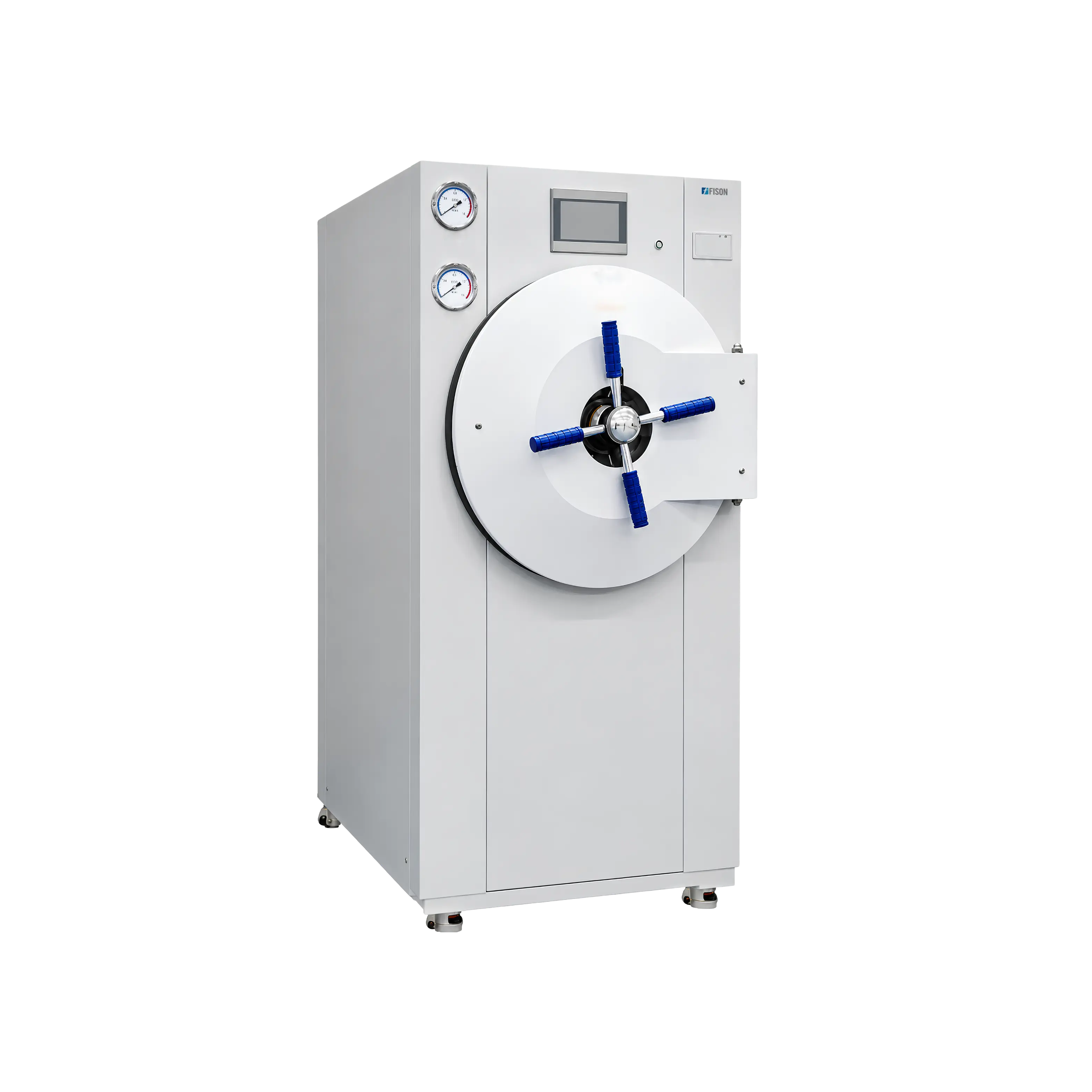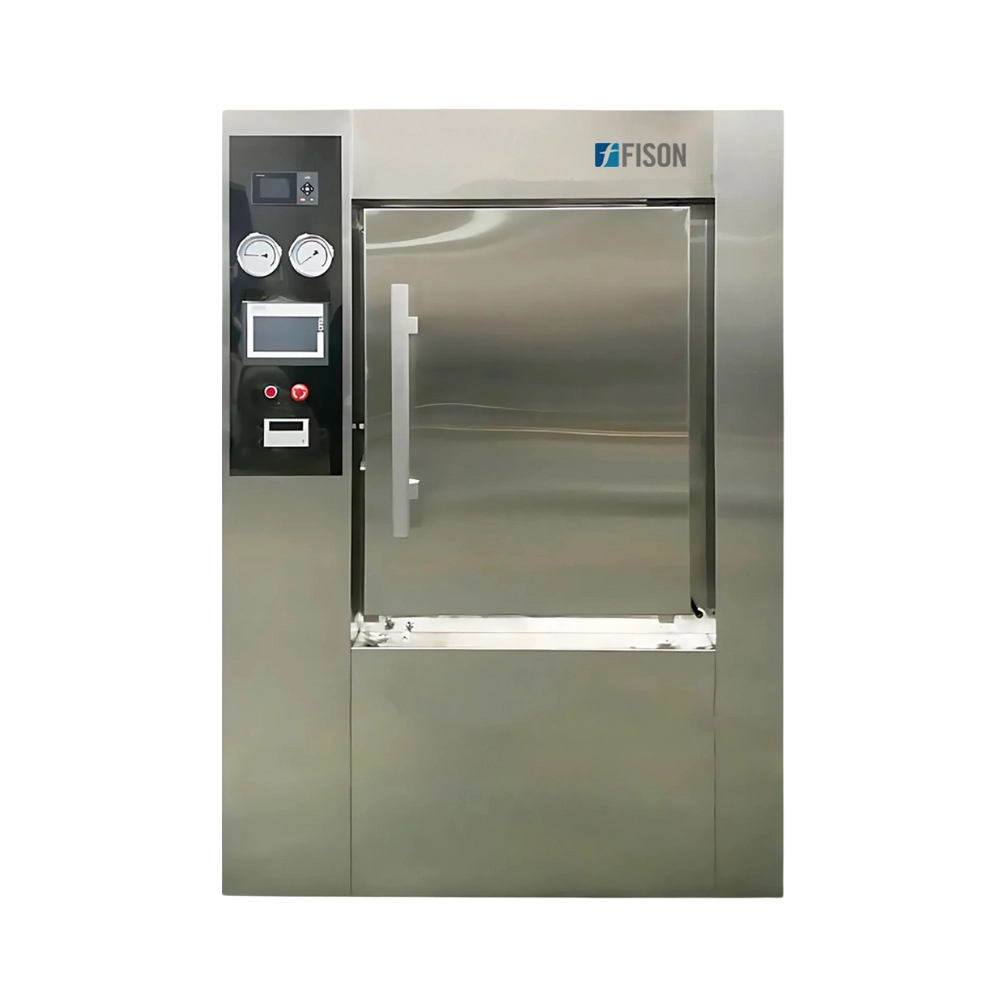
Laboratories, hospitals, research centres and advanced facilities running dozens of sterilization cycles a day need more from a chamber than a single upright unit can typically offer. A Fison horizontal steam sterilizer is built around that daily throughput rather than occasional use, and this article looks at what actually changes once volume becomes the deciding factor.
Why High-Volume Operations Change What a Sterilizer Needs to Do
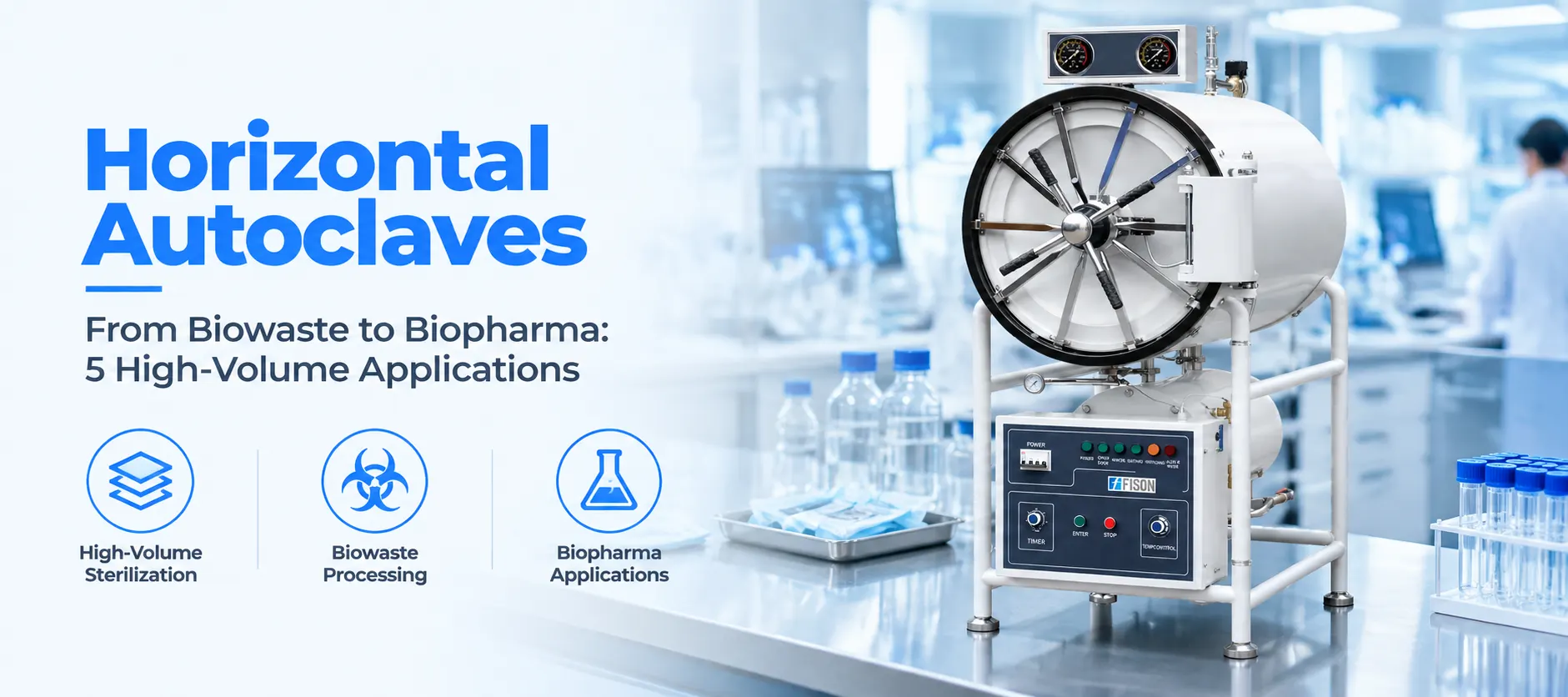
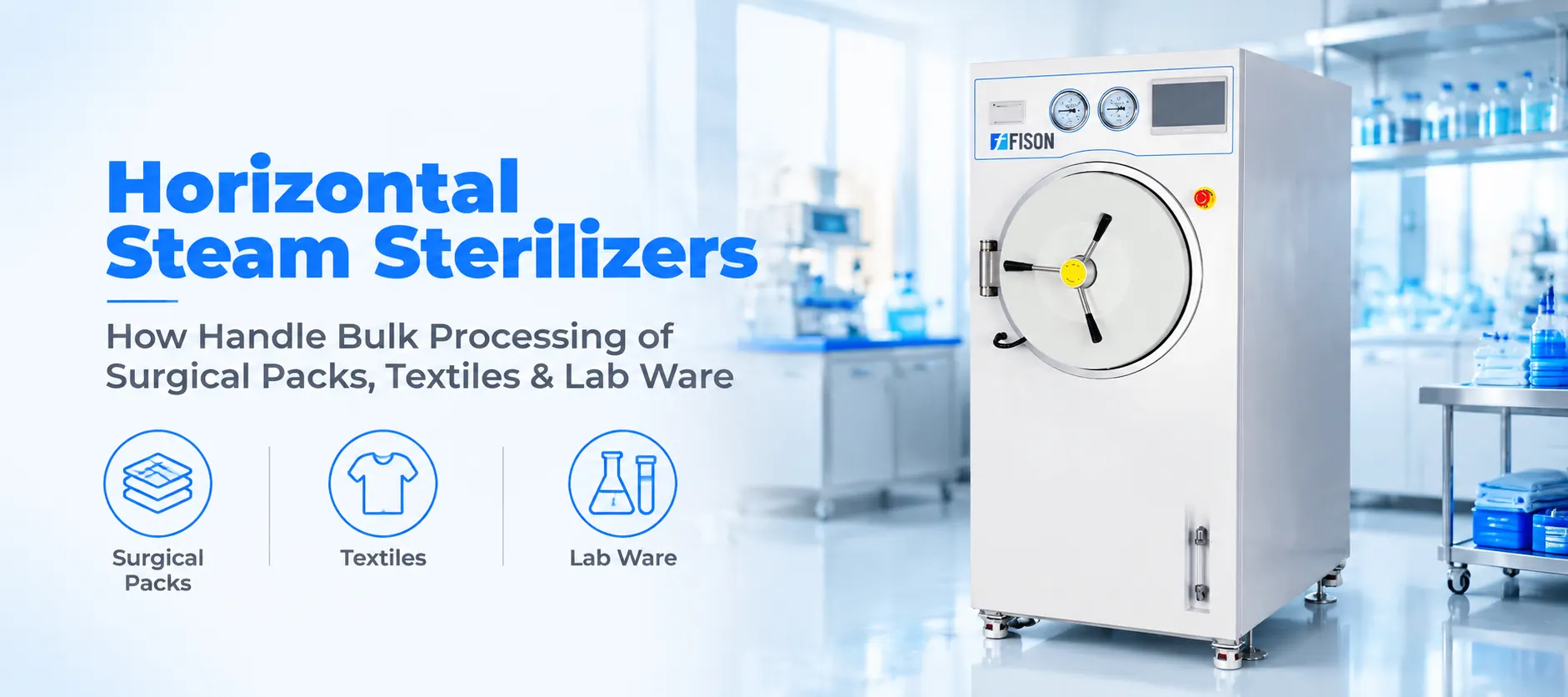
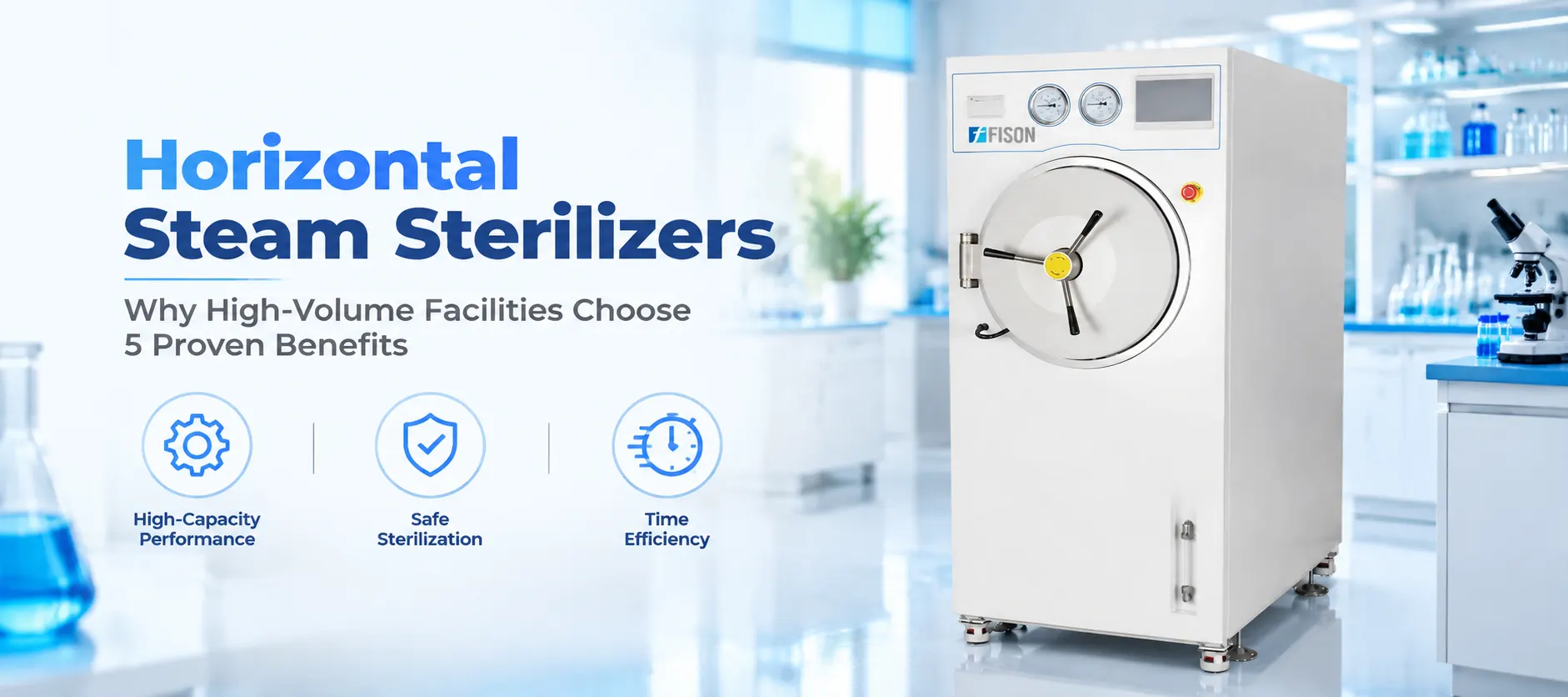
A facility running a handful of cycles a week can get by on chamber volume and cycle time alone. Once daily volume climbs into dozens of loads, loading method, cart handling and how consistently steam reaches all corners of a dense load start to matter just as much as raw capacity. A Horizontal Cylindrical Pressure Steam Sterilizer is built around that shift, with a chamber shape and loading approach suited to carts and trays moving through on a set schedule rather than one tray at a time.
Facilities comparing chamber formats for high-volume work typically find that loading speed and steam distribution, not chamber volume by itself, end up deciding which format actually keeps pace with daily demand.
How a Horizontal Steam Sterilizer Completes a High-Volume Cycle
A Horizontal Cylindrical Steam Sterilizer follows the same core steam cycle as any autoclave, arranged around a chamber shape that suits cart-based loading rather than top-loading a single basket. The stages below outline how a typical cycle moves from a loaded cart to a finished, dry batch.
Cart & Rail Loading
Steam Saturation
Pressure & Temperature Hold
Exhaust & Cart Removal
Once a cart is rolled in and the door seals, steam displaces air from the chamber and works its way through the load from multiple directions rather than settling from the top down, which matters once carts are packed close to their rated capacity. The Steam Sterilisation process holds temperature and pressure at the programmed level for the required exposure time, then exhausts gradually before the door releases and the next cart can move in.

Where the Horizontal Steam Sterilizer Sits Within Fison's Sterilizer Range
A Horizontal Steam Sterilizer belongs to a broader sterilizer category that also includes vertical, benchtop and gas-based formats, each suited to a different combination of batch volume, footprint and material compatibility. Within this category, facilities typically compare chamber diameter, cart capacity, loading hardware and cycle time before settling on which format matches their daily throughput. A Horizontal Cylindrical Steam Sterilizer's chamber diameter and cart capacity are usually the first two specifications compared against a smaller format. Facilities evaluating a horizontal autoclave sterilizer against a vertical or benchtop alternative usually start from actual daily cart counts rather than chamber volume alone.
The full sterilizer range lists these formats together for direct comparison, and the Fison home page catalogues the wider set of laboratory and hospital equipment each format belongs to.
Five Proven Benefits of a Horizontal Steam Sterilizer for High-Volume Facilities
Larger batch capacity per cycle, letting one horizontal high pressure steam sterilizer process several carts' worth of instruments in the time a smaller chamber would need for one load.
Cart and rail loading that reduces manual lifting, which matters directly once daily cycle counts climb into double digits for a horizontal pressure steam sterilizer shared across departments.
Consistent steam penetration through dense, tightly packed loads, since a Horizontal Steam Sterilizer's chamber shape supports circulation from multiple directions rather than one.
Faster overall turnaround across a full day's schedule, since cart-based loading keeps the next batch ready to roll in as soon as one cycle exhausts.
Simplified integration into a production-style workflow, where instruments move through loading, sterilization and storage in a continuous sequence rather than isolated batches.
Where Laboratories, Hospitals, Research Centres and Advanced Labs Rely on a Horizontal Steam Sterilizer
A horizontal pressure steam sterilizer tends to show up wherever daily instrument volume, not occasional need, drives the sterilization schedule. Each Horizontal Steam Sterilizer application shares the same cart-based cycle, adapted to a different daily caseload rather than a different piece of equipment. Reviewing the full sterilizer category alongside actual daily cart counts is a practical way to see whether a facility has already outgrown a smaller chamber format.
Laboratories running continuous batch testing rely on a Horizontal Steam Sterilizer's cart-based loading to keep glassware and media moving without stacking up between cycles.
Hospitals processing surgical instrument sets across multiple operating rooms depend on a horizontal high pressure steam sterilizer's batch capacity to match daily case volume rather than fall behind it.
Research centres running large-scale sample preparation use the added capacity to avoid queuing loads that would otherwise wait on a smaller chamber.
Advanced labs handling mixed instrument sets across departments benefit from one shared Horizontal Steam Sterilizer sized for combined daily volume instead of several smaller units.
This spread of Horizontal Steam Sterilizer applications reflects how differently laboratories, hospitals, research centres and advanced labs structure daily sterilization volume, rather than any single shared routine.
Selection Mistakes to Watch For When Choosing a Horizontal Steam Sterilizer
A handful of recurring missteps show up when a facility moves to a higher-volume chamber, and most only become clear once daily use exposes them:
- Assuming a larger chamber always means faster turnaround. A Horizontal Steam Sterilizer autoclave sized well above actual daily cart counts can sit partially loaded, wasting cycle capacity rather than saving time, a common issue when a horizontal autoclave sterilizer is sized on paper capacity rather than actual daily counts.
- Underestimating floor and door clearance for cart access. A chamber that fits on paper can still be impractical if carts cannot approach and turn without obstruction.
- Overlooking utility capacity for the chosen chamber size. Drainage, steam supply and electrical load all scale with chamber volume, and a room built for a smaller unit may not support a larger one.
- Skipping cart and rail maintenance routines. Worn rail hardware can slow loading enough to erase the throughput advantage a larger chamber was meant to provide.
- Misjudging cycle programming for load density. A cycle profile tuned for loosely packed trays may not fully penetrate a cart packed to rated capacity.
Compare Horizontal Steam Sterilizer Options for Your Facility's Volume
Batch capacity, loading method and steam penetration all vary between a Horizontal Steam Sterilizer and a smaller chamber format, and matching these to a facility's actual daily cart count matters more than choosing based on chamber volume alone. A horizontal cylindrical pressure steam sterilizer chosen today may still need revisiting as daily cart counts grow, and a Horizontal Steam Sterilizer autoclave sized for current volume should leave some headroom for that growth. Documenting the steam sterilisation process alongside daily throughput makes this comparison easier the next time equipment is reviewed.
Explore Horizontal Steam Sterilizer Options