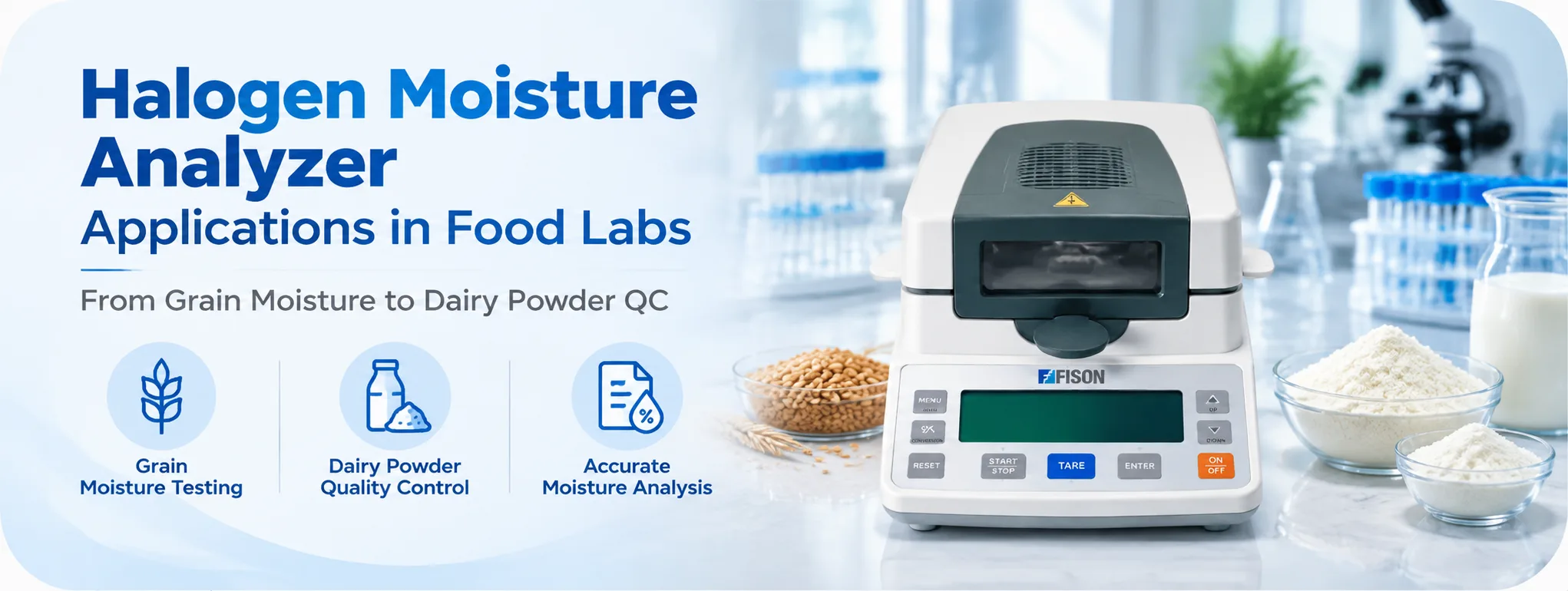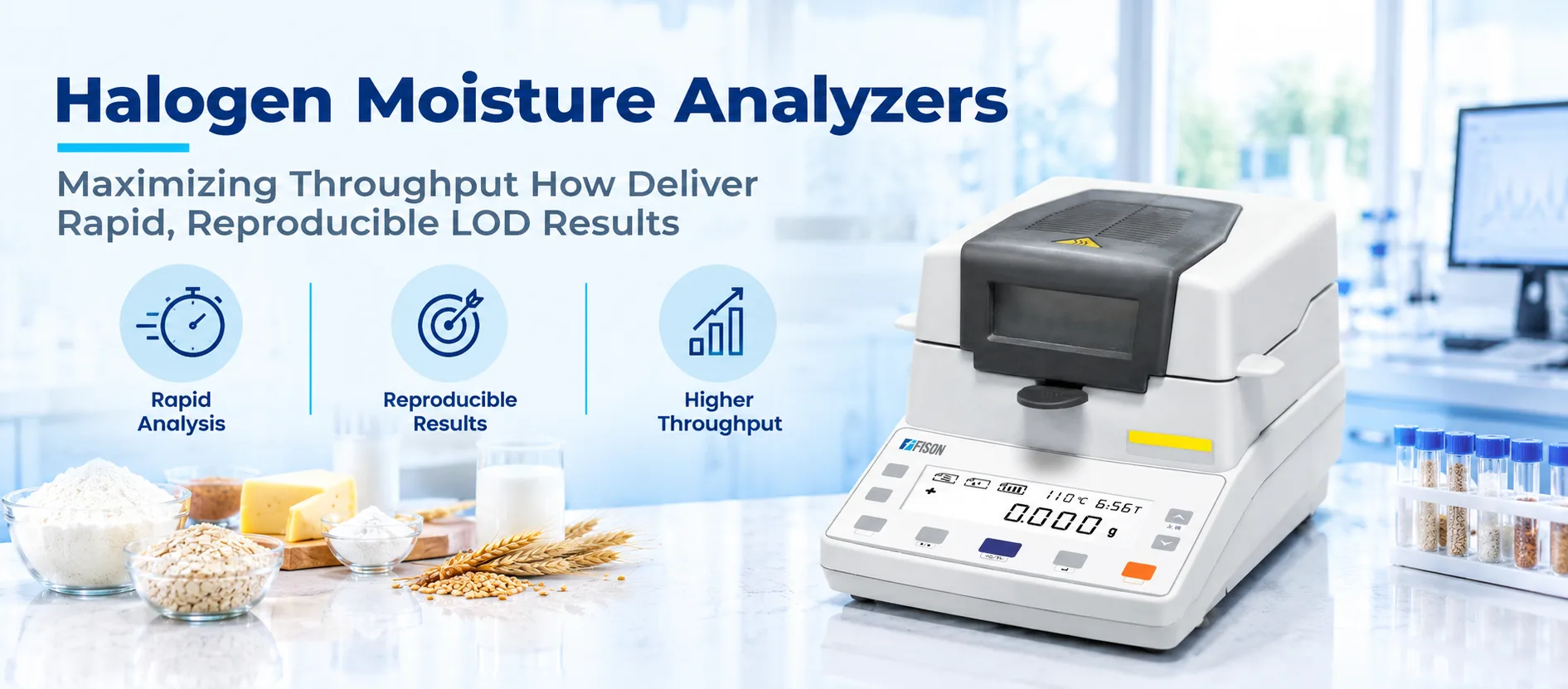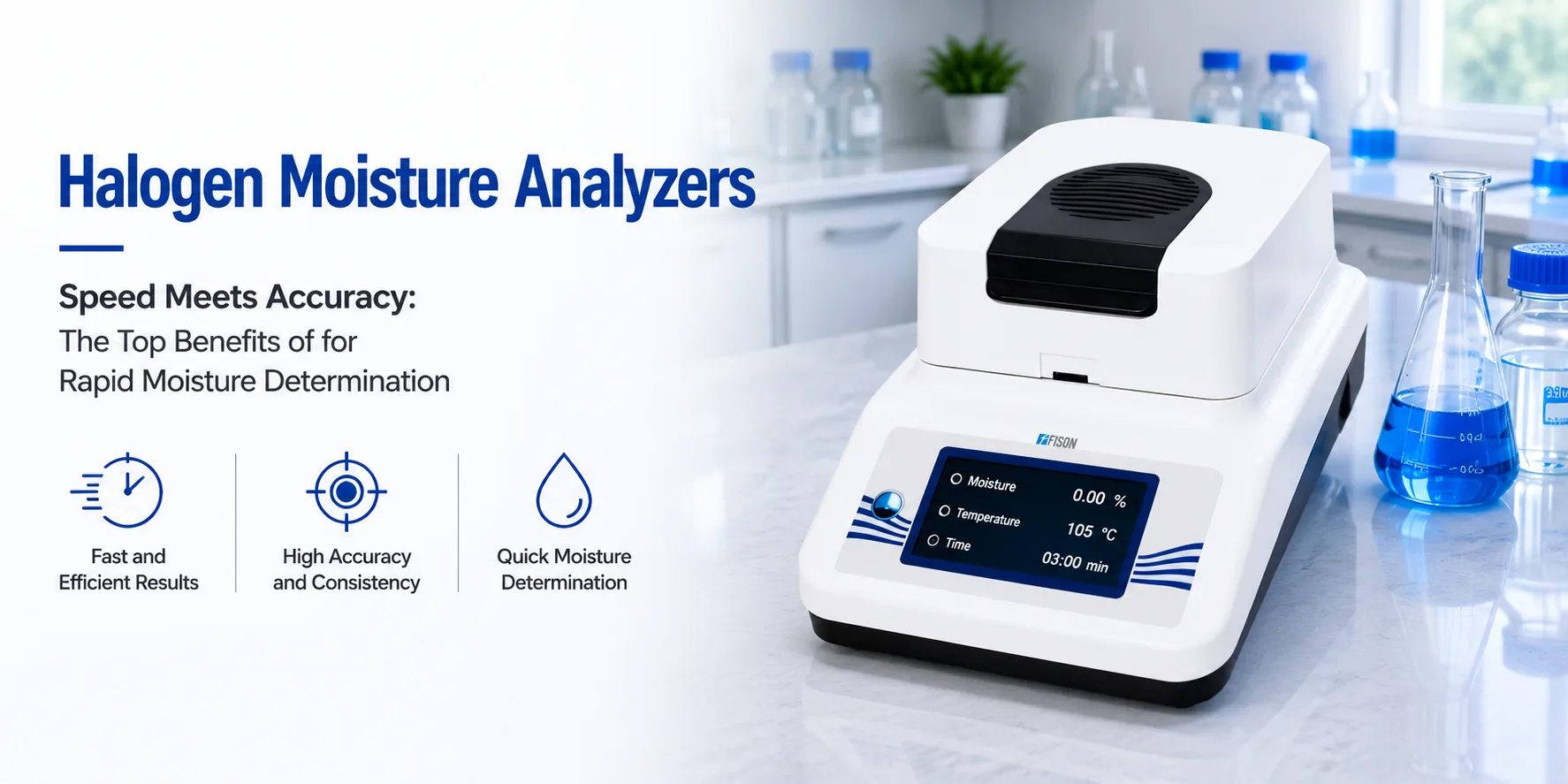
Laboratories, hospitals, research centres and advanced facilities checking raw materials, food products or formulations for water content have largely moved that task onto A Fison Halogen Moisture Analyzer rather than a traditional drying oven. This article looks at how these instruments work, where they fit into a wider moisture testing setup, and what to check before choosing one.
Why Moisture Content Still Needs Fast, Routine Verification
Moisture content affects far more than a single test result: it influences shelf life, product stability, powder flow behavior and how a formulation performs once it leaves the lab. A batch that runs slightly wetter than expected can clump, degrade faster or throw off downstream weight-based calculations, which is why this single measurement gets checked so often across so many industries.
An older gravimetric oven-drying method can take several hours to reach a stable result, which is workable for occasional checks but becomes a bottleneck once a lab needs moisture readings on a rolling basis throughout the day. Moisture testing equipment built around faster heating methods addresses that gap directly.
How a Halogen Moisture Analyzer Works: Principle Behind Loss-on-Drying
A Halogen Moisture Analyzer places a thin, evenly spread sample on a weighing pan sitting directly on an integrated balance, then heats that sample from above with a halogen lamp. As water evaporates, the balance continuously tracks the drop in weight, and once the rate of weight loss falls below a set threshold, the unit calculates the moisture percentage from the difference between starting and final weight.
Sample Loading
Halogen Heating
Continuous Weighing
Moisture Result
A halogen analyzer heats more evenly and reaches operating temperature faster than the infrared lamps used in earlier designs, which shortens the time needed to reach a stable endpoint on most sample types.
Halogen and Infrared Heating: Comparing Moisture Analyzer Technologies
An infrared Moisture Analyzer heats a sample with a longer-wavelength lamp that warms up more slowly and distributes heat less evenly across the pan, which can leave the edges of a sample drier than the center before the overall reading stabilizes. A halogen moisture tester reaches its target temperature faster and spreads heat more evenly, which tends to produce a more consistent result across different sample shapes and thicknesses.
Because Halogen Moisture Analyzer temperature settings can be adjusted more precisely across a wider range, this heating method also suits a broader variety of sample types, from heat-sensitive powders that need a gentler ramp to denser materials that benefit from higher settings. Labs comparing heating methods can review temperature range, sample pan size and drying program options on the Halogen Moisture Analyzer category page before choosing a model.
Where the Halogen Moisture Analyzer Fits in the Wider Moisture Testing Equipment Category
A Halogen Moisture Analyzer belongs to a broader group of moisture testing equipment that also includes infrared Moisture analyzers, oven-drying setups and Karl Fischer titrators for chemical moisture determination. Within this group, labs typically compare heating method, sample pan capacity, temperature range, drying program flexibility, and how quickly each option reaches a stable result for the sample types they run most often.
Reviewing the full Halogen Moisture Analyzer range is a practical starting point for lining up these factors before narrowing a shortlist.
For labs exploring moisture testing equipment beyond halogen heating, the Fison home page lists the wider catalogue of laboratory equipment the brand carries.
Practical Uses of a Moisture Analyzer for Food and Laboratory Materials
A Moisture Analyzer for food products supports far more workflows than a single quality check once a facility looks at how many departments rely on the same reading.
Food and beverage laboratories use a Halogen Moisture content Analyzer to check grain, dairy powder and snack products for water content that affects shelf life and texture. Pharmaceutical and general laboratories run the same test on raw materials and excipients, since a Moisture content Analyzer reading well outside the expected range can point to storage or handling issues before a batch moves forward. Research centres use moisture readings during formulation stability studies, tracking how a mixture's water content shifts over time, while advanced labs running frequent quality checks value the faster turnaround a halogen system offers over oven-drying methods.
Selection Mistakes to Watch For When Choosing a Halogen Moisture Analyzer
A handful of recurring missteps show up during evaluation, and most only become clear once the instrument is already in routine use:
- Using an unsuitable temperature setting. A Halogen Moisture Analyzer temperature profile set too high can scorch a heat-sensitive sample before it finishes drying, skewing the result.
- Spreading sample unevenly on the pan. An uneven layer dries at different rates across the pan, which can extend test time and reduce result consistency.
- Choosing the wrong endpoint criteria. A drying program that stops on a fixed time rather than a weight-loss rate can finish too early or too late depending on the sample.
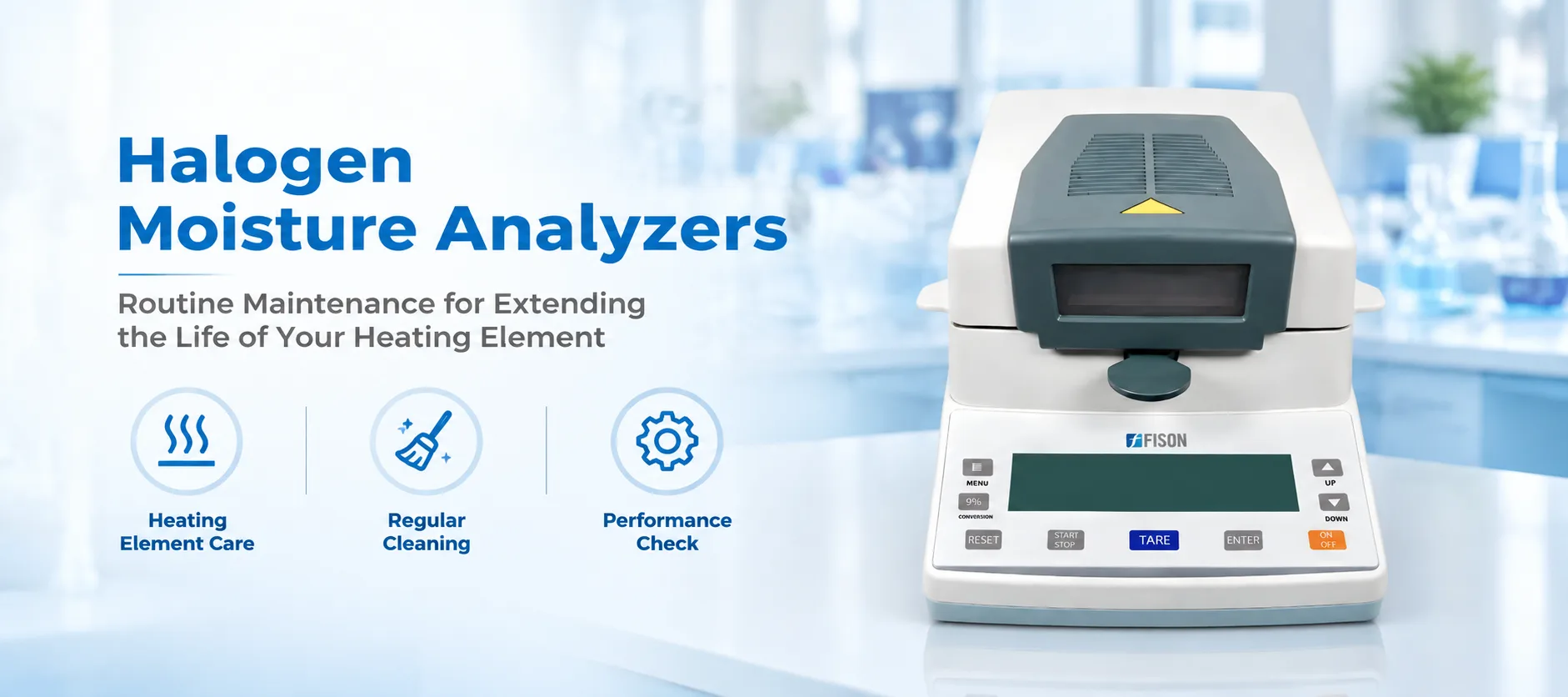
- Skipping routine verification with reference weights. The integrated balance needs periodic checks against known weights to catch drift before it affects results.
- Underestimating sample pan capacity needs. A pan sized for small samples limits testing to a narrow range of materials and batch sizes.
Halogen Moisture Analyzer and Oven-Drying Methods: A Quick Comparison
Some labs still run moisture checks with a traditional drying oven and analytical balance rather than a dedicated halogen unit. The table below outlines where each approach tends to fit.
| Aspect | Oven-Drying Method | Halogen Moisture Analyzer |
|---|---|---|
| Time to result | Often several hours | Typically minutes |
| Hands-on steps | Multiple weighings and manual timing | Loaded once, result calculated automatically |
| Sample handling | Separate balance and oven needed | Weighing and heating built into one unit |
| Typical setting | Occasional, low-frequency checks | Routine quality checks throughout the day |
Ready to Compare Halogen Moisture Analyzer Options?
Heating method, sample pan size and temperature range differ meaningfully between models, and reviewing them together helps match an instrument to actual sample types rather than a rough estimate.
View Halogen Moisture Analyzer Options