Introduction
Laboratories across microbiology, molecular biology and clinical diagnostics all send used media, contaminated glassware and biohazard waste through the same piece of equipment before anything moves further down the workflow, day after day. A Fison Laboratory Autoclave is that shared step, turning potentially infectious material into safe waste and turning unsterile glassware into ready-to-use stock. This article looks at how the cycle works, how different lab disciplines rely on it, and what's easy to get wrong when choosing one.
Why Autoclaves Are Central to Daily Laboratory Work
A lab autoclave sits at a point where three separate needs converge: decontaminating waste before disposal, sterilizing glassware and tools before reuse, and sterilizing media before it's inoculated. Few pieces of laboratory equipment touch this many workflows in a single working day, which is why autoclave sterilization is treated as a shared service across departments rather than equipment tied to one research group. Any lab autoclave serving several teams ends up running more cycles per day than a unit dedicated to a single project, and scheduling around that shared demand is part of what keeps daily autoclave sterilization from becoming a bottleneck.
Laboratory Autoclave Principle: The Steam Cycle Behind Everyday Sterilization
The Laboratory Autoclave principle stays consistent across formats: a sealed chamber, pressurized steam, and a hold period long enough to destroy microorganisms including resistant spores. What changes between models is chamber orientation, size and portability, not the sterilization mechanism itself.
Chamber Loading
Steam Generation
Pressure & Temperature Hold
Exhaust & Drying
Any autoclave machine on the market runs some version of this same sequence, whether it's a compact benchtop unit or a large horizontal chamber processing carts of waste. An autoclave laboratory apparatus earns its place in a facility not by changing this core cycle, but by matching chamber size, cycle programming and loading style to the actual daily workload a lab generates. Any autoclave laboratory apparatus purchased for shared use should be sized against combined departmental demand from the outset, rather than one department's typical load.
Where the Laboratory Autoclave Category Fits Within Fison's Equipment Range
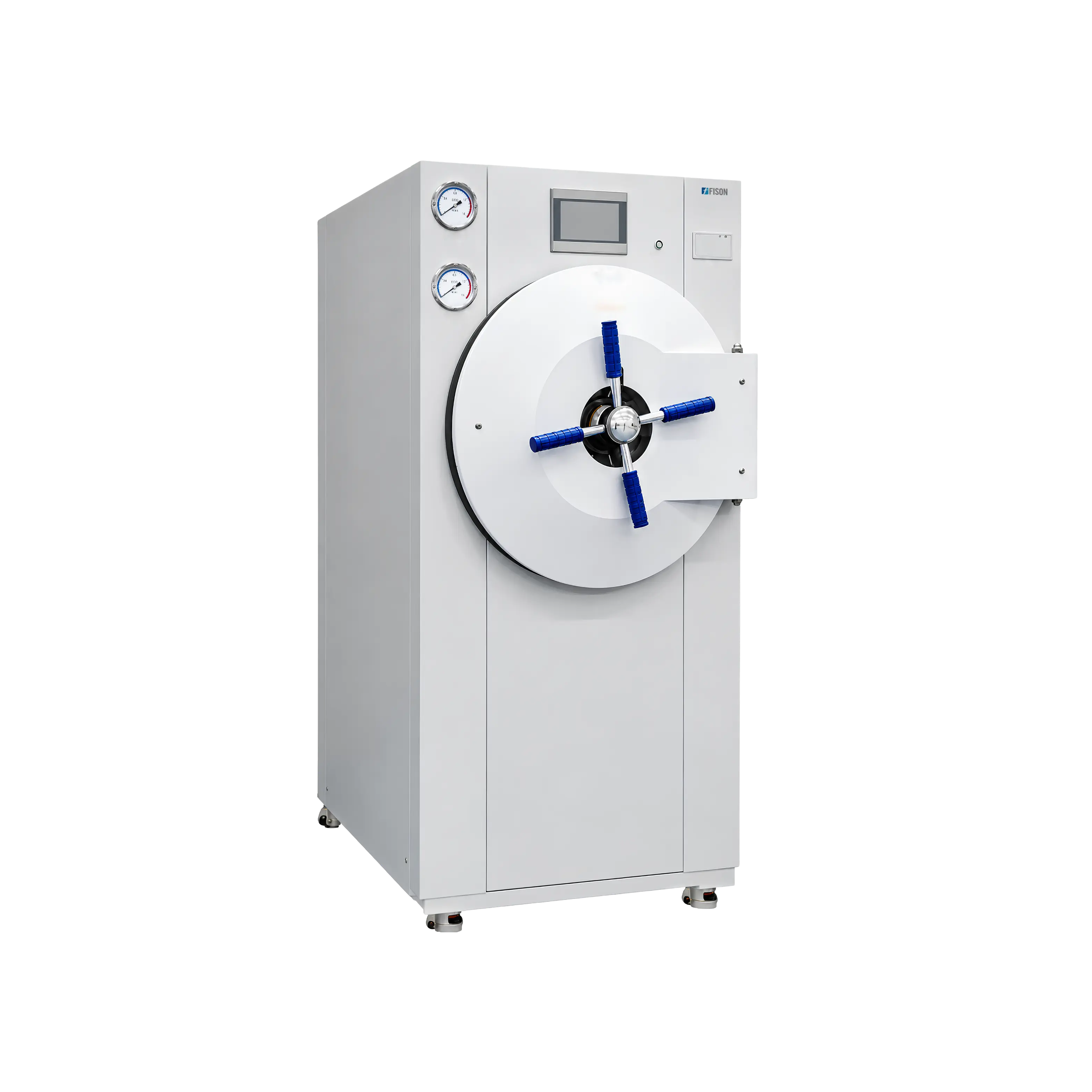
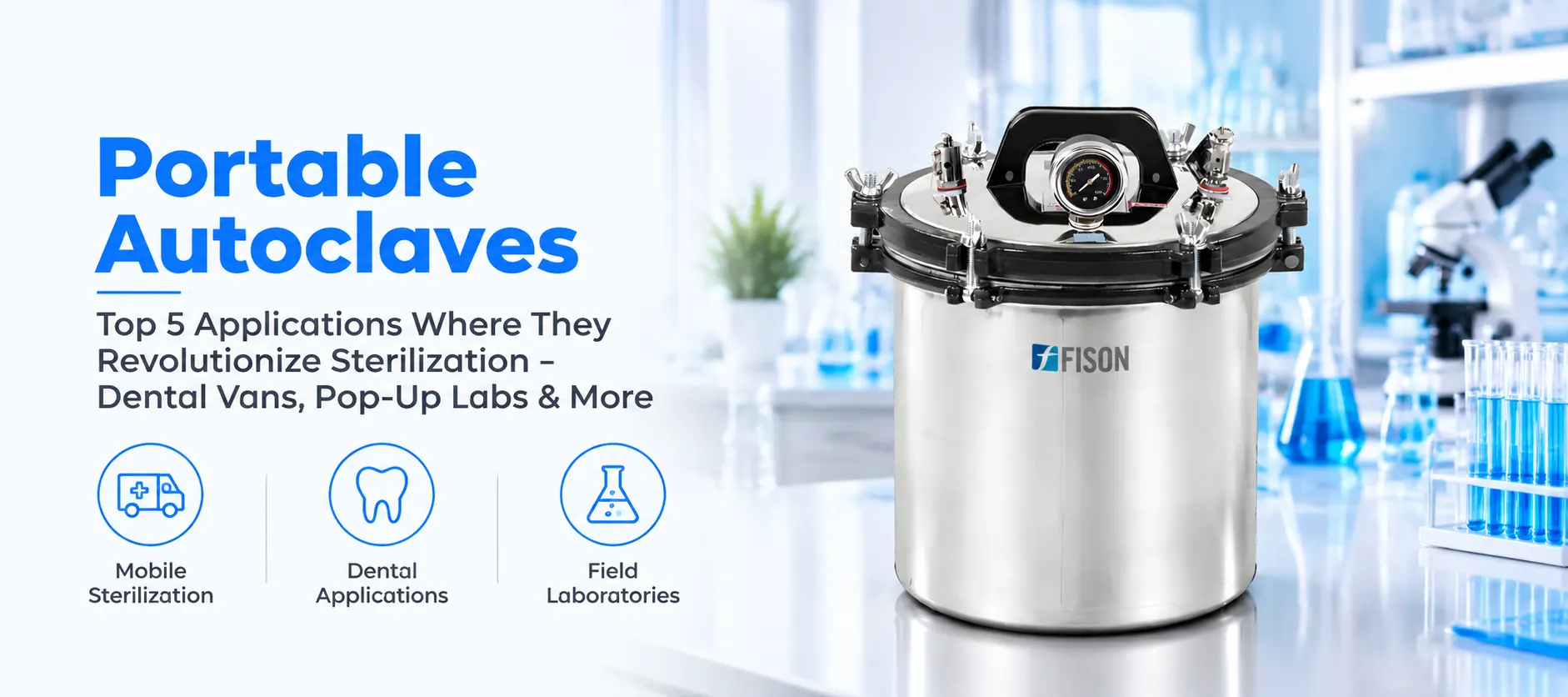
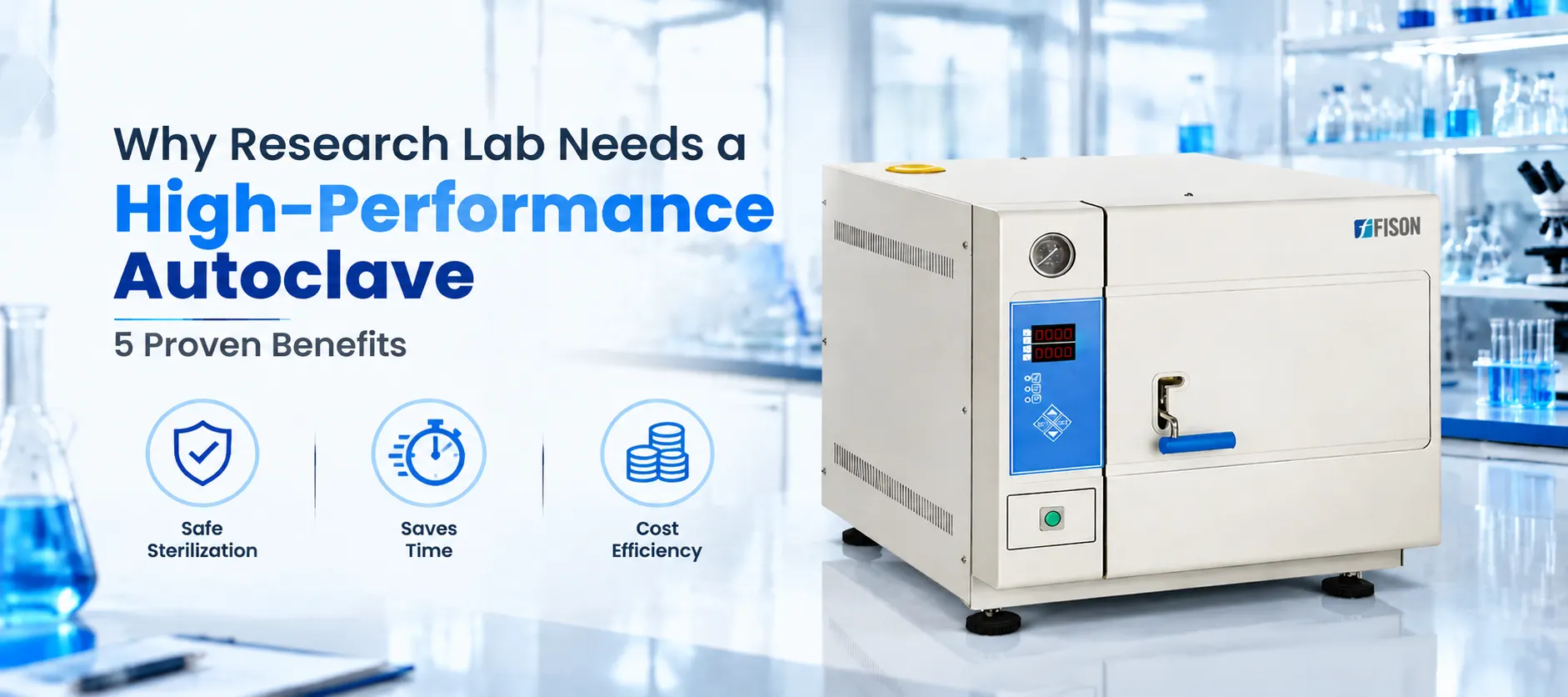
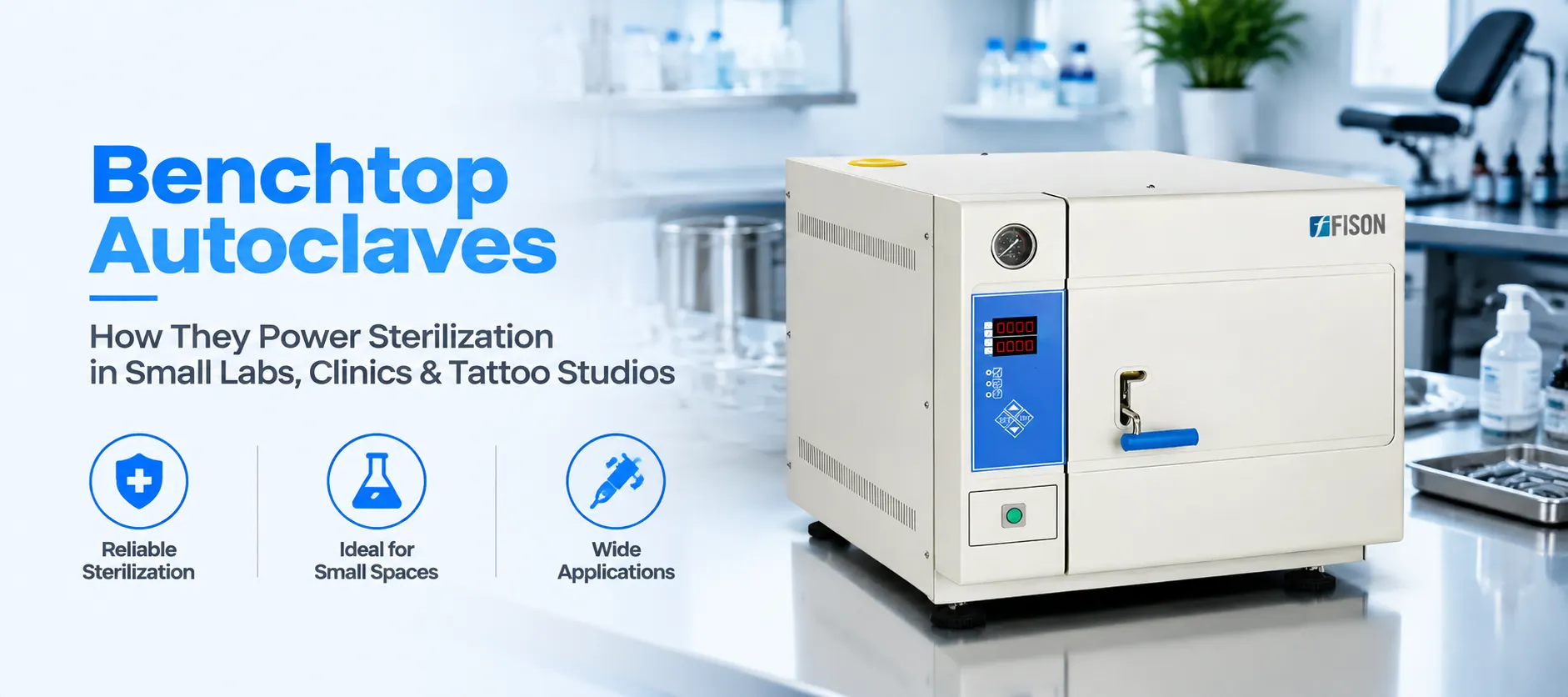
The Laboratory Autoclave category brings together vertical, horizontal, benchtop and portable formats under a single umbrella, all sharing the same steam sterilization goal while differing in chamber orientation, capacity, and how and where they're meant to operate. Labs comparing autoclave sterilizers within this category typically look at daily cycle volume, available floor space, and whether equipment needs to move between locations or stay fixed in one room.
Facilities weighing autoclave sterilizers against other laboratory equipment lines can review the wider catalogue on the Fison home page, which lists categories beyond sterilization equipment as well.

Choosing Among Vertical, Horizontal, Benchtop and Portable Autoclave Formats
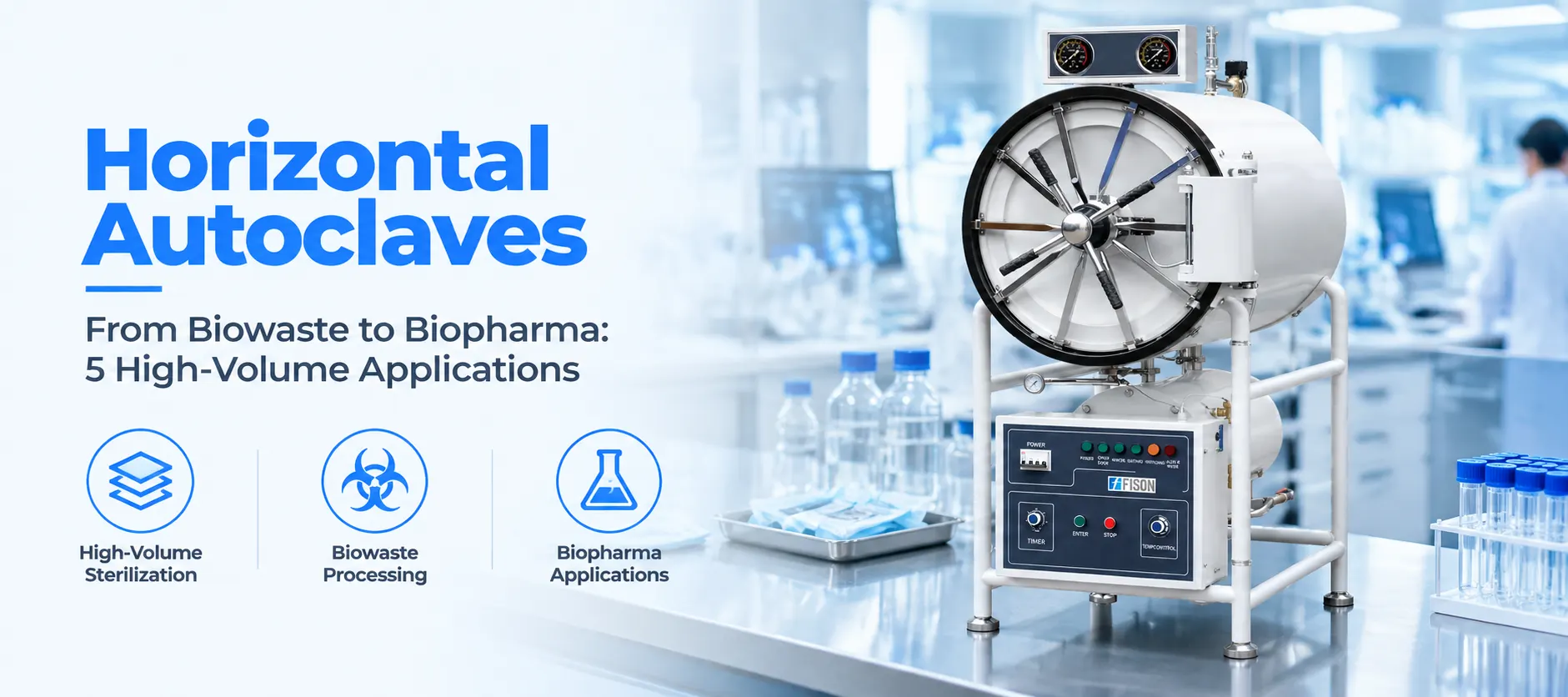
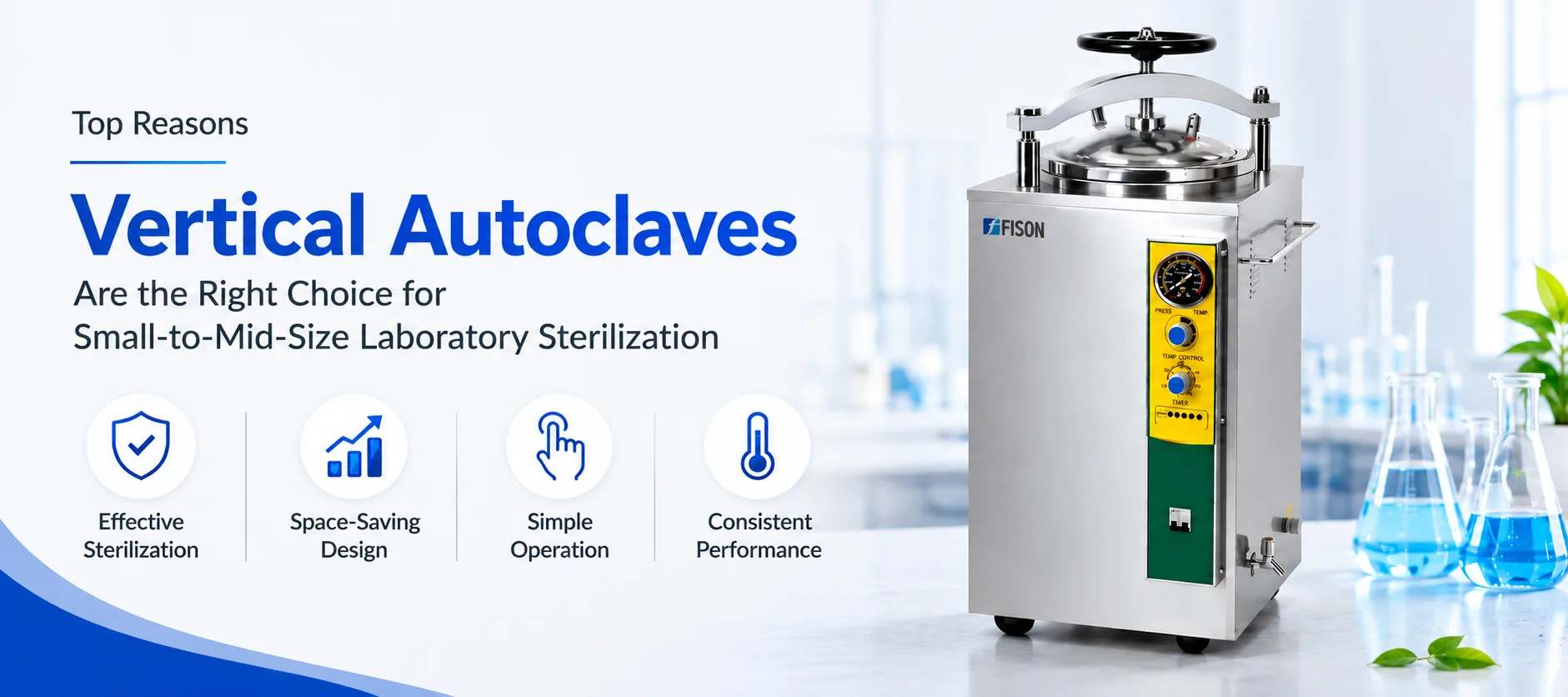
A vertical unit suits labs with limited floor space running a moderate daily batch, a horizontal chamber handles the largest loads a facility generates, a benchtop model fits counter-level convenience for smaller daily volumes, and a portable unit travels with field or mobile teams that can't rely on a fixed installation. All four remain a Laboratory Autoclave machine at heart, built around the same pressurized steam cycle described above.
Reviewing the complete Laboratory aAutoclave range alongside actual daily cycle volume across all three lab disciplines helps match chamber format to real working patterns rather than defaulting to whichever unit a department already happens to have on hand.
How Microbiology, Molecular Biology and Clinical Diagnostics Labs Use an Autoclave Daily
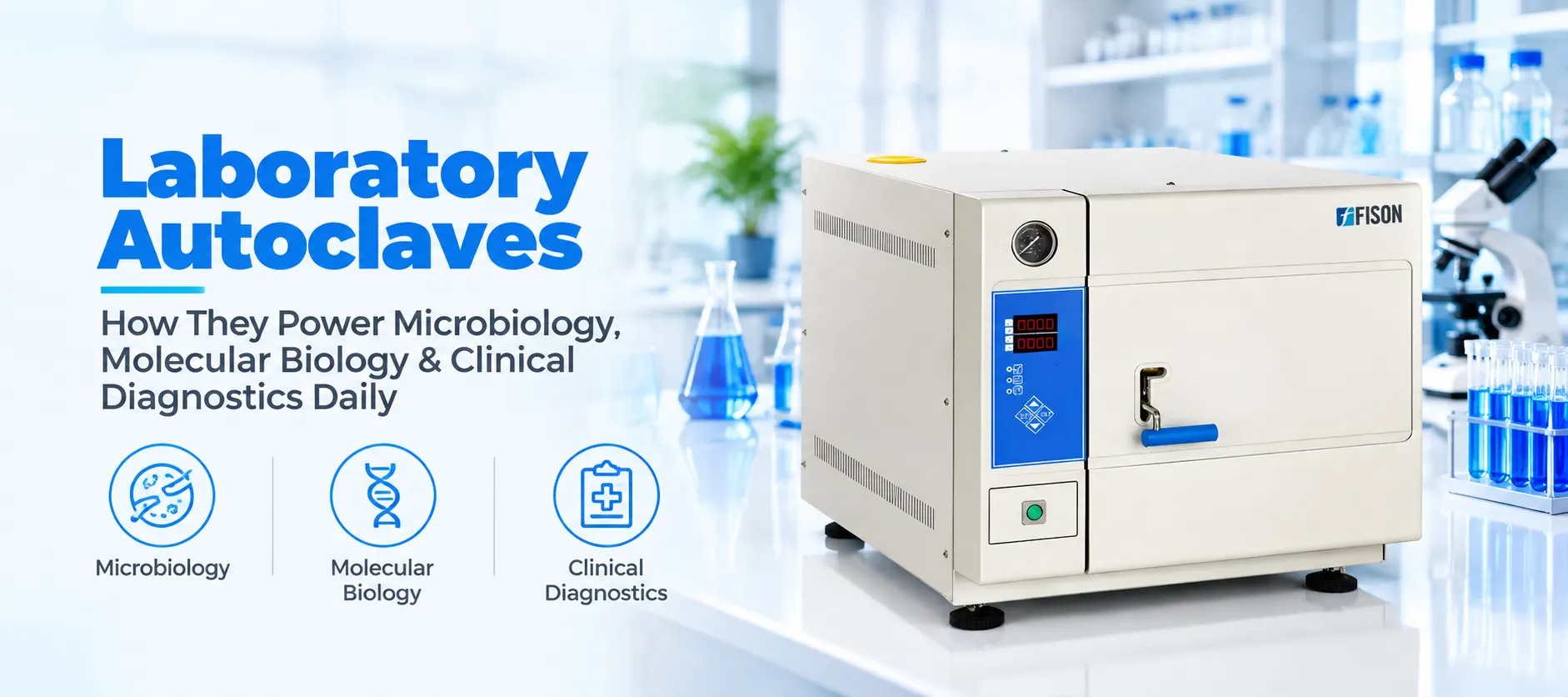
Each Laboratory Autoclave application shares the same steam sterilization method, adapted to a different discipline's materials and risk profile. Laboratory Autoclave uses differ meaningfully across departments even though the underlying cycle stays the same.
- Microbiology labs sterilize media before inoculation, decontaminate culture plates and broths before disposal, and sterilize pipette tips and glassware between experiments.
- Molecular biology labs sterilize reagent-prep glassware and tips, decontaminate gel electrophoresis waste and used culture flasks, and sterilize water and buffers ahead of sensitive assays.
- Clinical diagnostics labs decontaminate specimen containers and biohazard waste before disposal, sterilize reusable sample-processing tools, and prepare sterile media for culture-based diagnostic tests.
This spread of laboratory Autoclave uses across three distinct disciplines is part of why a shared laboratory steam autoclave often serves multiple departments rather than sitting inside just one. A laboratory steam autoclave scheduled with all three disciplines in mind tends to see less contention over cycle slots than one managed informally by whichever team reaches it first. This breadth of Laboratory Autoclave application areas is exactly why shared scheduling matters more here than it would for equipment used by a single team.
Selection Mistakes to Watch For When Choosing a Laboratory Autoclave
A handful of recurring missteps show up when a single unit serves several departments, and most only become clear once daily use has already exposed them:
- Assuming one cycle program suits all three disciplines. Media sterilization, biohazard waste decontamination and glassware sterilization often call for different cycle types, and defaulting to one program can under-treat waste or over-process delicate glassware.
- Underestimating combined daily volume across departments. A shared unit serving microbiology, molecular biology and diagnostics needs a chamber and schedule sized for combined demand, not any single department's estimate.
- Overlooking biological indicator routines for biohazard cycles. Waste decontamination cycles typically need indicator monitoring separate from glassware sterilization cycles, and treating them the same risks under-monitoring higher-risk loads.
- Ignoring drainage and utility capacity for a high-traffic shared unit. A Laboratory Autoclave machine running frequent cycles across departments draws more steam and generates more condensate than one serving a single research group.
- Skipping routine seal and door gasket checks on shared equipment. Heavier daily use from multiple departments wears components faster than lighter single-group use, and this often goes unnoticed until a cycle fails.
Ready to Explore Laboratory Autoclave Options?
Chamber format, cycle programming and daily throughput needs vary across the Laboratory Autoclave range, and matching these to combined demand across microbiology, molecular biology and clinical diagnostics work matters more than choosing on chamber size alone.
Explore Laboratory Autoclave Options