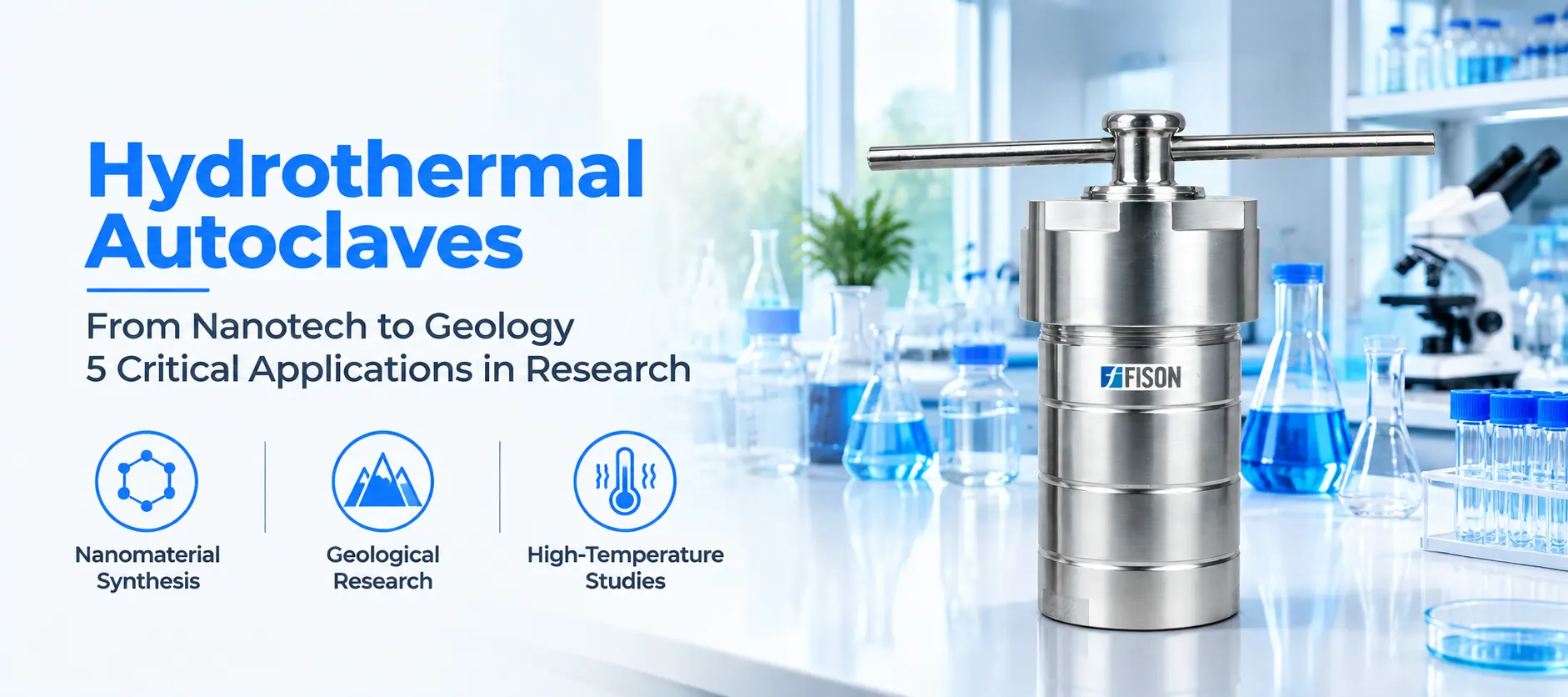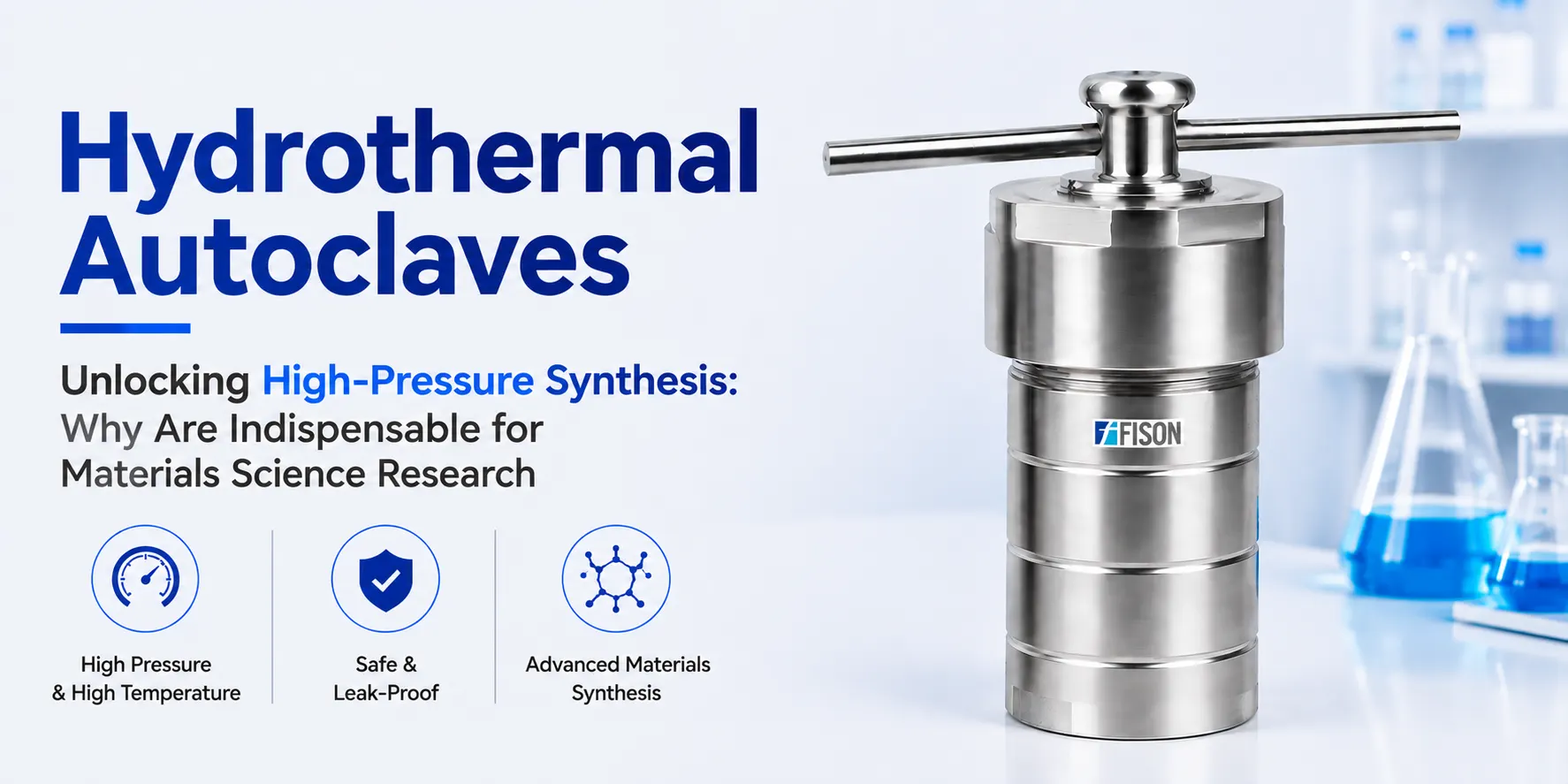
Laboratories, hospitals, research centres and advanced facilities working on crystalline and nanostructured materials rely on a Fison Hydrothermal Autoclave to hold a reaction fluid at elevated temperature and pressure long enough for the desired phase to form. This article looks at how these vessels work, where they fit into a wider synthesis setup, and what to check before choosing one.
Why High-Pressure, High-Temperature Reactions Need a Purpose-Built Vessel
Many crystalline phases, from zeolites to metal oxide nanoparticles, only form when a reaction fluid is held above the temperature at which water boils under normal conditions, inside a chamber that can safely contain the pressure that builds up as a result. Ordinary glassware cannot hold this kind of environment closed and sealed for the hours or days some syntheses need.
A Hydrothermal Autoclave solves that gap by sealing a reaction fluid inside a lined, pressure-rated chamber, letting a heating step build up pressure on its own inside the vessel rather than requiring an external pressure source. This closed, autogenous-pressure approach is what separates hydrothermal synthesis from reflux or open-vessel heating methods.
How a Hydrothermal Autoclave Works: Liner, Vessel and Sealed Reaction Chamber
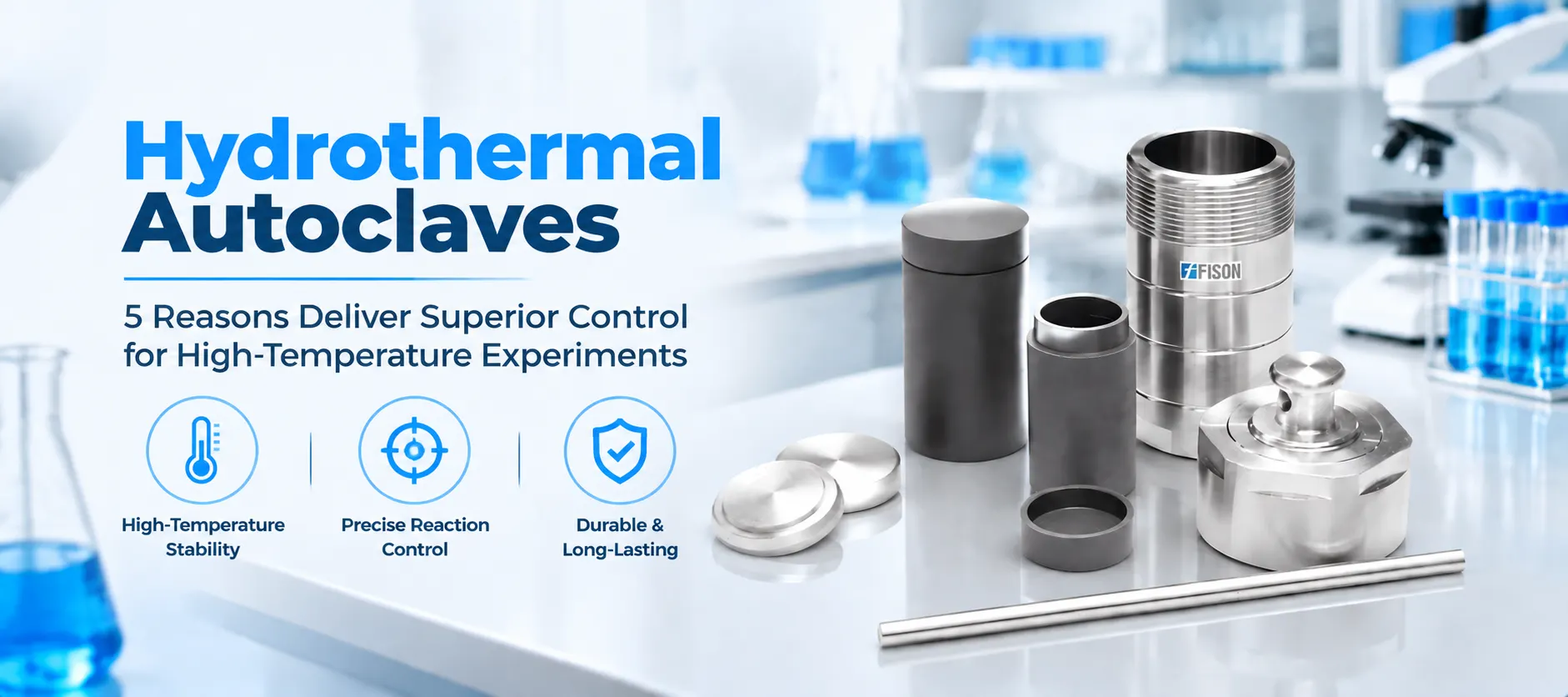
A Hydrothermal Autoclave reactor pairs a corrosion-resistant liner, usually PTFE, with an outer stainless steel body rated to contain the pressure a sealed reaction fluid can reach at synthesis temperature. Reactants and a reaction fluid go into the liner first, which then sits inside the steel shell before the lid is torqued down to form a sealed chamber.
Load Liner & Reactants
Seal Chamber
Controlled Heating
Cooling & Recovery
Once the set point is reached and held for the required time, controlled cooling brings the vessel back to room temperature before the lid is opened and the crystallized or precipitated product is recovered from the liner. The autoclave reactor vessel is reused for the next run once it has been cleaned and inspected.
Choosing Vessel Capacity: Working From Small-Batch to Larger Runs
A Hydrothermal Autoclave 100 ml vessel suits early-stage formulation work, where a research group is screening several reaction fluid compositions and wants to limit reagent use per run. Its smaller thermal mass also brings the chamber up to temperature faster, which shortens turnaround between screening trials.
A Hydrothermal Autoclave 200 ml vessel, by contrast, fits better once a composition is settled and a lab needs more product per batch for downstream characterization or scale-up trials. Facilities weighing capacity against turnaround time can compare volume options and liner materials on the Hydrothermal Autoclave category page before settling on a configuration.
Where the Hydrothermal Autoclave Fits in the Wider Autoclave Reactor Category
A Hydrothermal Autoclave belongs to a broader autoclave reactor category that also covers general-purpose pressure vessels used across chemistry and materials labs. Within this category, research teams typically compare liner chemistry compatibility with acids, bases and solvents, pressure and temperature ratings, available vessel volumes, and how the heating jacket or oven distributes heat across the chamber.
Reviewing the full Hydrothermal reactor range is a practical starting point for lining up these factors before narrowing a shortlist.
For facilities exploring pressure vessels and synthesis equipment beyond hydrothermal work alone, the Fison home page lists the wider catalogue of laboratory and hospital equipment the brand carries.
Practical Uses of a Hydrothermal Autoclave in Research Settings
A Hydrothermal Autoclave equipment setup supports work that reaches well beyond a single materials family once a lab looks at the range of phases that form under sealed, elevated-temperature conditions. Zeolite and molecular sieve synthesis relies on this closed environment to grow the ordered pore structures these materials are known for, while metal oxide and mixed-oxide nanoparticle work uses the same sealed chamber to control crystal size and shape during formation.
Hydrothermal carbonization studies turn biomass feedstock into carbon-rich material under comparable conditions, and crystal growth researchers use a Hydrothermal Autoclave machine to grow single crystals slowly enough to reach usable size for later characterization. Catalysis groups also draw on this equipment to prepare and screen candidate catalyst materials under repeatable pressure and temperature conditions.
Selection Mistakes to Watch For When Choosing a Hydrothermal Autoclave Reactor
A handful of recurring missteps show up during evaluation, and most only become clear once the vessel is already in routine use:
- Mismatching liner material to the reaction fluid. A PTFE liner has chemical limits, and strong oxidizers or unusually high temperatures can shorten its working life faster than expected.
- Overfilling the liner. Filling a Hydrothermal Autoclave reactor beyond its rated fill ratio pushes internal pressure past safe limits as the fluid heats and expands.
- Choosing a pressure or temperature rating too close to the process limit. A vessel run near its maximum rating on a routine basis leaves little margin for an off-target run.
- Overlooking heating uniformity. Uneven heat distribution across the chamber can leave part of a batch at a different effective temperature than the rest.
- Skipping a proper sealing and torque procedure. An inconsistently sealed lid risks fluid or vapor loss during a run, changing the reaction conditions partway through.
Ready to Compare Hydrothermal Autoclave Options?
Vessel volume, liner material and pressure rating differ meaningfully between models, and reviewing them together helps match a reactor to actual synthesis needs rather than a rough estimate.
View Hydrothermal Autoclave Options